Real-Time News Sentiment
Analysis of trending Reddit news — tracking public mood,
controversy, and key topics
1358 Stories Analyzed
80 Positive Sentiment
1167 Negative Sentiment

r/news
Public Sentiment
A pervasive sense of anxiety and disillusionment dominates these opinions. There’s a feeling of impending decline, fueled by the reported negative migration trends and a perceived abandonment of core American values. Many express frustration and anger at the political climate, viewing the situation as a direct consequence of policies and rhetoric that are driving away talent, innovation, and a sense of opportunity. There’s a strong undercurrent of fear – fear of economic stagnation, social division, and a potential erosion of the nation’s global standing. Ultimately, the collective sentiment is one of worry and regret. People feel that the country is losing its competitive edge and its capacity for growth, and they blame the current leadership for failing to address the underlying issues. There’s a sense that the nation is heading down a dangerous path, and that the consequences will be felt for years to come.
Public Sentiment
Anger and distrust dominate the opinions surrounding xAI’s Grok chatbot. There’s widespread condemnation of Elon Musk and xAI, fueled by accusations of inappropriate image generation, manipulation, and a general lack of accountability. Many express deep skepticism towards Musk himself, demanding legal action and boycotts of his companies. Furthermore, the opinions reveal a significant degree of frustration with the tech industry's response to these issues, with concerns about advertiser inaction and the overall perception of a problematic and potentially dangerous AI technology.
Public Sentiment
A pervasive sense of alarm and outrage dominates the expressed opinions, largely fueled by a feeling of unchecked police power and a disregard for constitutional rights. Many individuals perceive the Supreme Court’s decision as a dangerous erosion of the Fourth Amendment, with concerns centering on the potential for abuse and the creation of a precedent that allows for warrantless entries based on flimsy or manufactured “emergencies.” There’s a strong sentiment of distrust towards law enforcement and the judicial system, with accusations of “brain-dead” individuals and a troubling trend of prioritizing police over individual liberties. Despite the concerns, a notable undercurrent acknowledges the established legal framework and the unanimous nature of the decision. Several commentators emphasize that this ruling simply reaffirms existing legal precedents regarding exigent circumstances and warrants, while highlighting the importance of defense attorneys in challenging such actions. There's a recognition that, while unsettling, the decision aligns with long-standing legal interpretations, although many remain deeply skeptical and fearful of the implications for civil liberties.
r/news
Public Sentiment
Disbelief, suspicion, and a sense of impending chaos dominate the collective sentiment. There’s a widespread assumption that something significant is happening, fueled by the simultaneous outage affecting multiple carriers and the unusual timing coinciding with a NORAD exercise. Many immediately jump to conspiracy theories, ranging from a deliberate attack (often involving Trump and foreign adversaries) to a coordinated disruption. Despite the immediate suspicion, there’s a recognition that the outage is likely a technical failure, though the possibility of malicious intent remains a strong undercurrent. People are frustrated, inconvenienced, and grappling with a feeling that established systems are failing, leading to a heightened sense of vulnerability and a tendency to seek explanations beyond simple technical issues.
r/news
Public Sentiment
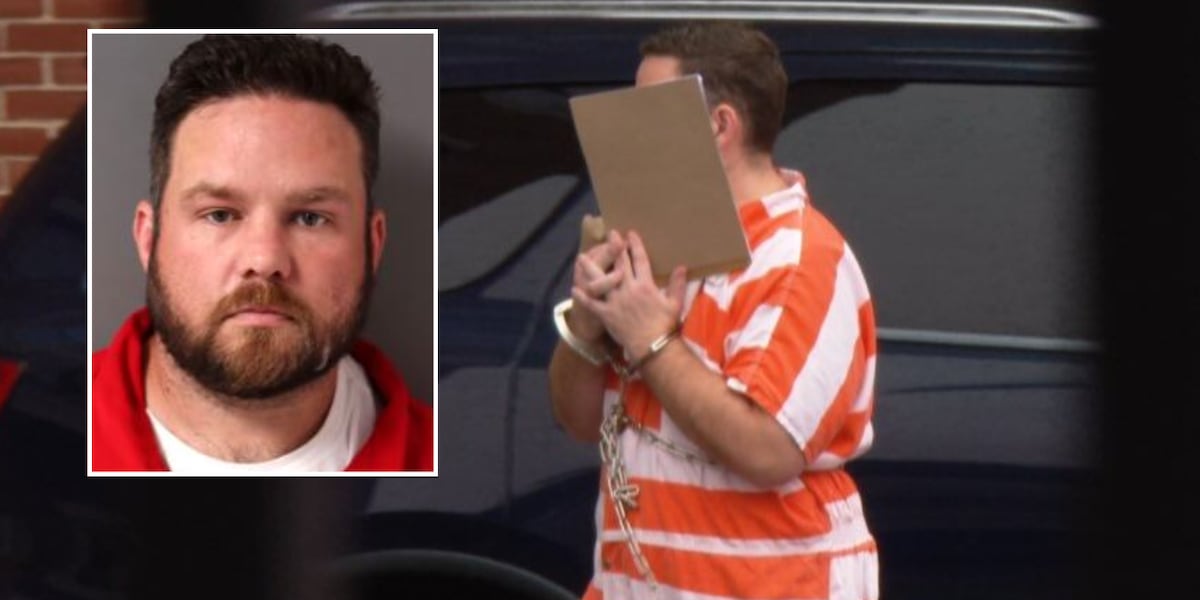
The opinions reveal a deeply polarized and highly suspicious sentiment towards the former Republican representative. A pervasive sense of outrage and accusation dominates, with commenters expressing strong beliefs that Republicans are inherently involved in child sex abuse and trafficking. There’s a significant level of distrust in the Republican party as a whole, fueled by claims of systemic protection and a willingness to overlook or downplay such crimes based on political affiliation. Furthermore, the comments demonstrate a belief that the individual is being used as a scapegoat, anticipating a pardon and highlighting a broader pattern of alleged Republican involvement in similar scandals. The opinions are marked by conspiracy theories, accusations of manipulation, and a pronounced skepticism towards mainstream media reporting.

r/news
Public Sentiment
Deep distrust and outrage permeate the opinions, fueled by accusations of systemic injustice, governmental overreach, and deliberate obstruction of justice. There’s a pervasive belief that the legal system is actively complicit in a dangerous and authoritarian agenda, prioritizing the interests of a powerful elite over the safety and liberties of ordinary citizens. The repeated emphasis on “delay,” “obstruction,” and a lack of urgency highlights a profound sense of frustration and the feeling that the courts are failing to protect the public. The collective sentiment is one of alarm, bordering on panic. People feel targeted, surveilled, and vulnerable to state violence, citing parallels to historical atrocities and fascist regimes. The accusations of orchestrated manipulation, deliberate misinformation, and the apparent willingness to engage in kidnapping and murder underscore a fundamental lack of faith in government institutions and a fierce determination to resist what’s perceived as a concerted effort to dismantle democratic values.
Public Sentiment
People's opinions consistently express deep frustration and distrust toward Republican economic rhetoric, particularly the long-standing pattern of blaming Democrats for deficits while promoting policies like "trickle-down economics" that have repeatedly failed. They describe this as a decades-old cycle of political theater where Republicans create problems to shift blame, manipulate narratives, and enrich themselves—using terms like "horse and sparrow theory" to highlight how this manipulation has been systemic since the 1990s. The sentiment is overwhelmingly angry and hopeless, with many feeling trapped in a cycle of political deception that harms ordinary Americans through rising costs, eroded services, and unaddressed crises like food insecurity and healthcare gaps. Comments emphasize that this isn't a new trend but a deliberate, recurring strategy that has worsened economic instability while politicians pretend to solve problems they’ve created.
r/news
Public Sentiment
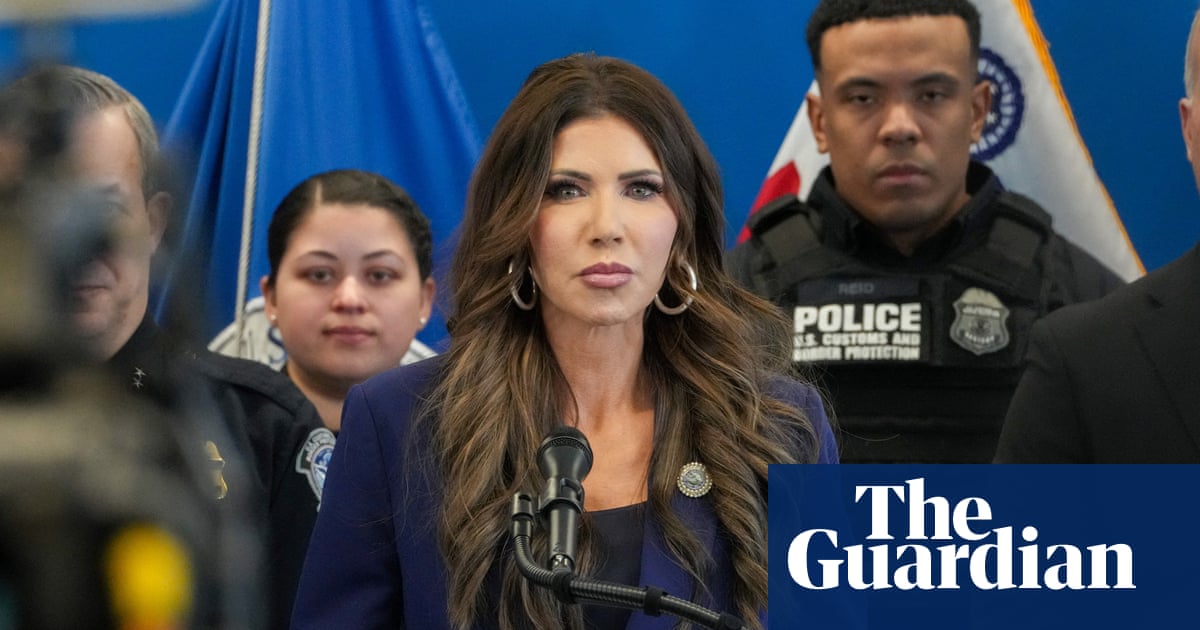
The overwhelming sentiment centers on frustration with the current political stalemate and a desperate search for actionable change, with many viewing the impeachment effort against Kristi Noem as a symbolic but necessary starting point to challenge perceived authoritarian tendencies. People emphasize that while the House has secured 70 Democratic sponsors—a significant but fragile number—real progress requires dismantling the entire system of power that enables figures like Trump, Miller, and Wiles, who they see as unaccountable enablers rather than legitimate officials. The focus is on the urgency of removing these figures to break the cycle of inaction, yet there’s deep skepticism about whether this will lead to meaningful accountability or just another political maneuver. There’s a pervasive sense of helplessness and historical anxiety, with comments comparing the current situation to past authoritarian regimes and questioning if the U.S. system can ever truly enforce accountability without massive societal upheaval. While some hope for incremental change through impeachment or electoral shifts, others express near-certainty that the powerful will remain unchallenged due to systemic corruption and the absence of effective legal or political mechanisms to hold them responsible—leaving many feeling that the only viable path forward is collective action to prevent further erosion of democratic norms.

r/news
Public Sentiment
A pervasive sense of frustration and bewilderment surrounds the current housing market. Many individuals express disbelief at the inflated prices, feeling as though the market has become detached from reality. There’s a strong sentiment that prices are artificially high, fueled by speculation and a lack of supply, rather than genuine economic value. The feeling is compounded by a sense of being trapped – many homeowners are reluctant to sell due to fear of losing their equity, while prospective buyers face insurmountable financial hurdles. Ultimately, the dominant emotion is one of disillusionment. People feel as though the dream of homeownership has become unattainable for a large segment of the population, and there's a palpable sense of unfairness regarding the skyrocketing costs and limited options available.
Public Sentiment
People are overwhelmingly shocked and frustrated by the arbitrary nature of the visa suspension list, particularly the inclusion of Caribbean nations, Thailand, Brazil, and others with no apparent wrongdoing. They express disbelief that seemingly peaceful countries with strong tourism ties—like Jamaica, St. Lucia, and Uruguay—were targeted, calling it illogical and unjust. Many explicitly link the list to racial bias, noting the disproportionate representation of non-white countries (especially Black populations) and suggesting it reflects a broader white supremacist agenda disguised as security policy. Comments highlight deep confusion about the stated reasons, with critics arguing the move targets countries that have historically been U.S. allies or have minimal conflict with America. The sentiment is dominated by anger and a sense of systemic racism, with readers framing the suspension as part of a larger pattern of undermining non-white communities and economies. They emphasize how the policy disproportionately harms vulnerable industries like tourism and hospitality while ignoring the racial motivations behind the decision—describing it as a calculated effort to exclude "non-white" populations under the guise of national security. The collective reaction underscores a widespread perception that this is not a legitimate policy but a racialized political move, leaving many feeling targeted and powerless.
r/news
Public Sentiment
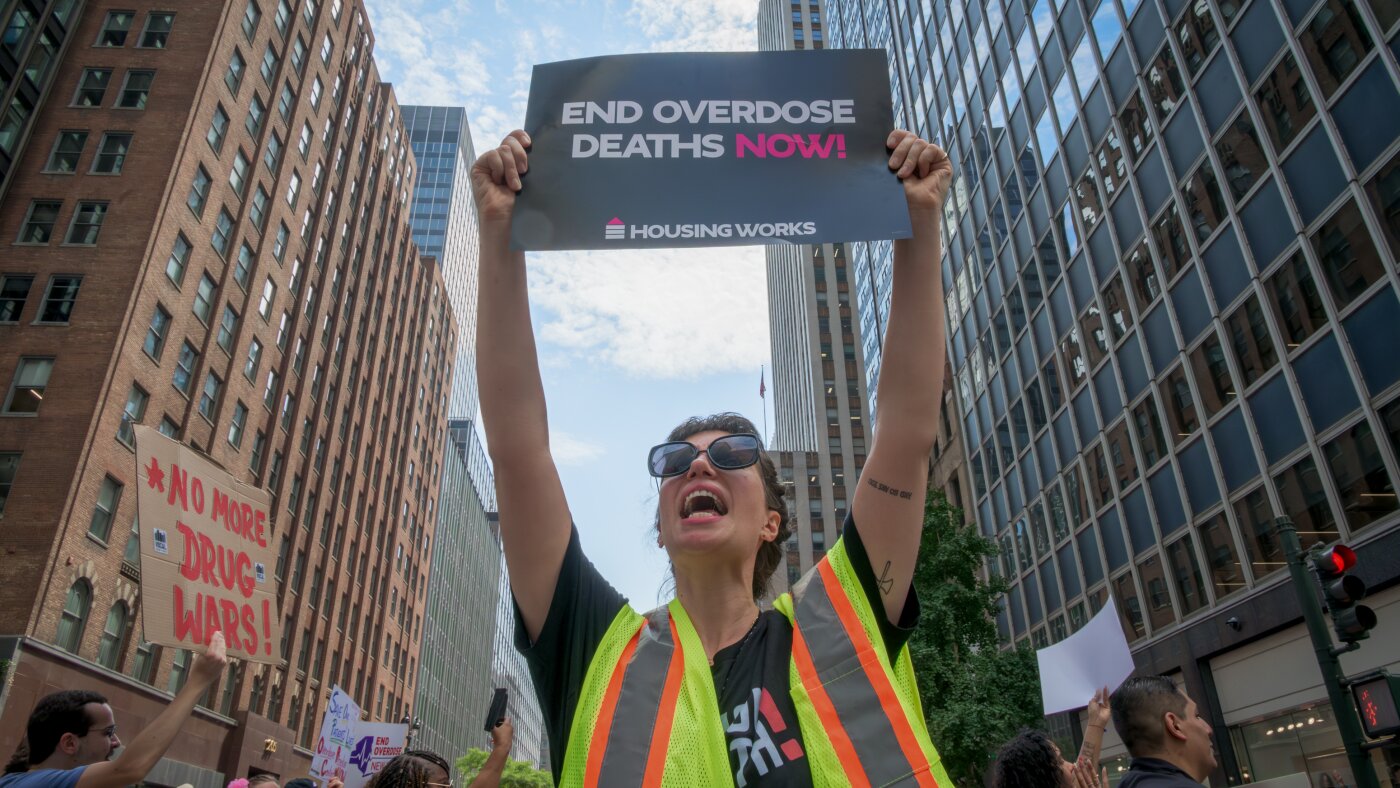
People's opinions reflect deep anger and frustration over the Trump administration's cuts to addiction and mental health funding, which they perceive as dangerously hypocritical and shortsighted. Many commenters highlight the administration's claimed concern about drug deaths while simultaneously dismantling critical support systems, framing this as a deliberate strategy to justify military actions or other policies under the guise of public health. This disconnect fuels widespread outrage, with readers feeling the cuts will cause immediate harm—like worsening the opioid crisis and leaving vulnerable families without essential resources—while the administration's political motives are seen as prioritizing ideology over human well-being. The collective sentiment is one of profound despair and helplessness, especially among healthcare professionals and public health advocates who view this policy as a catastrophic betrayal of trust. Commenters emphasize that the damage is irreversible and long-term, with fears that the nation's social fabric and public health infrastructure will collapse under the weight of neglect. This sense of irreversible harm, combined with the administration's refusal to acknowledge the severity of the consequences, leaves many feeling abandoned and unable to see a path to recovery, cementing a widespread belief that the policy represents a deliberate effort to undermine the country’s future.
r/news
Public Sentiment
People feel the U.S. has already slipped into irreversible authoritarian decline, with no turning back. They perceive the government's actions—surveillance, internet shutdowns, and civil rights erosion—as symptomatic of a system collapsing beyond repair, where economic hardship and political repression are now intertwined with a sense of helplessness. The Rubicon has been crossed, and resistance is minimal while the situation deteriorates rapidly. This widespread alarm centers on the government's targeting of vulnerable groups, particularly Jewish academics, under the guise of antisemitism, which many see as a deliberate fascist escalation. Economic desperation and the loss of digital communication channels further fuel fears that self-preservation will override freedom, leaving communities isolated and powerless against an authoritarian state that has already begun its descent.
