Real-Time News Sentiment
Analysis of trending Reddit news — tracking public mood,
controversy, and key topics
1358 Stories Analyzed
80 Positive Sentiment
1167 Negative Sentiment

r/news
Public Sentiment
The general sentiment surrounding the incident is a mix of dark humor, sarcasm, and skepticism regarding the Secret Service's competence. Many readers immediately mocked the agent's negligence with jokes about firing, disability pensions, and pop culture references, while others expressed disbelief that a professional protector could shoot himself. There is a prevailing cynicism that the agent will face little to no real consequences, with comments suggesting that law enforcement often escapes the legal repercussions that normal citizens would face for similar negligent discharges. A significant portion of the discussion shifts to a heated debate about the Sig Sauer P320 firearm, with opinions split between blaming the gun's alleged design flaws and user error. While some commenters argue the weapon is prone to spontaneous discharge and should be banned from government contracts, others defend the firearm, attributing the accident to poor holstering techniques, lack of training, or the absence of an external manual safety. Ultimately, the consensus leans toward the view that regardless of the specific weapon involved, the incident was a preventable failure of basic gun safety rules rather than a mechanical defect.
r/news
Public Sentiment
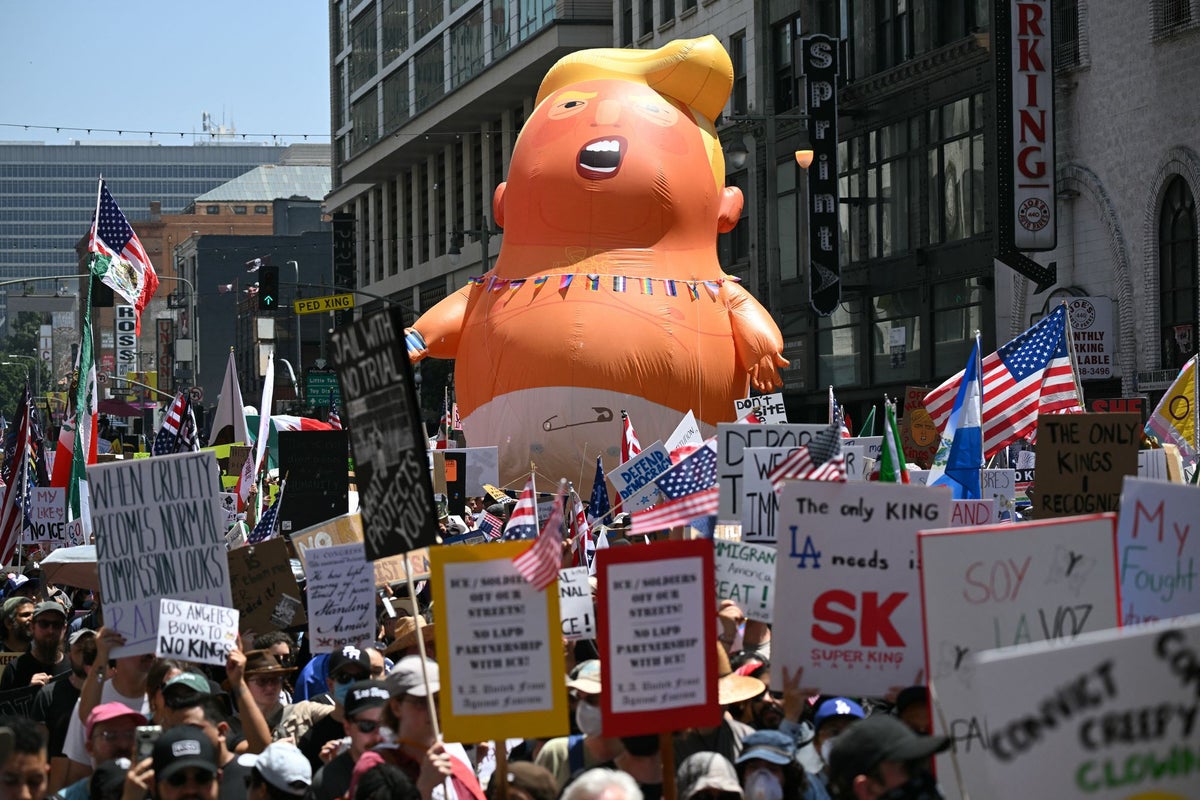
The general sentiment surrounding the upcoming "No Kings" protests is a complex mix of urgent determination, deep frustration, and strategic debate. Many participants view these gatherings as essential not just for political pressure, but for community building, mental relief, and validating shared anger against an administration they perceive as authoritarian and corrupt. While some express cynicism about the effectiveness of "weekend warrior" marches, citing past disappointments and the high personal cost of protesting in a system where healthcare and employment are precarious, a strong counter-narrative emphasizes that showing up is a necessary step to reach the critical mass needed for change. There is a palpable sense that the current political climate has pushed people past the point of apathy, with many feeling that inaction is no longer an option despite the risks of job loss or police aggression. Simultaneously, there is significant internal criticism regarding the movement's messaging and tactics, with some arguing that the "No Kings" slogan is confusing and that the protests lack the sustained, disruptive power of general strikes or continuous civil disobedience. Skeptics point out that without a clear, actionable plan beyond marching, these events may remain symbolic rather than transformative, yet supporters argue that the very act of gathering helps organize the resistance and counters the isolation of dissent. The discourse is further complicated by accusations of bot interference and media suppression, leading many to believe that the administration's fear of these protests is proof of their potential impact. Ultimately, the prevailing feeling is one of a populace that feels threatened and is increasingly willing to take to the streets, even if they disagree on the specific methods required to achieve their goals.
Public Sentiment
The prevailing sentiment is one of deep cynicism and dark humor regarding the intersection of national security failures, political corruption, and the potential for explosive leaks. Many commenters express a grim expectation that Iran will release damaging information, particularly related to the Epstein files, viewing it as a form of poetic justice against a political establishment they perceive as rife with pedophilia, treason, and moral decay. There is a pervasive belief that the current administration and its allies are incompetent, self-serving, and potentially compromised by foreign powers, leading to a sense that the country is spiraling toward a "stone age" or a dictatorial regime where accountability is nonexistent. Simultaneously, the discussion reveals a profound frustration with the polarization of American society and the inability of logic to penetrate the echo chambers of political supporters. Users share anecdotes about family members who remain oblivious to the controversial actions of their preferred leaders, attributing this to curated media consumption and a refusal to accept shared reality. This disillusionment extends to a loss of faith in traditional symbols of authority and decorum, with many feeling that the concept of "presidential" has been hollowed out to mean only self-interest and cruelty. Ultimately, the tone is one of resigned despair mixed with a morbid anticipation of chaos, where the exposure of secrets is seen as the only remaining hope for a system that has seemingly lost all moral compass.
Public Sentiment
The overall sentiment is a mix of concern for the sailors' welfare and deep cynicism regarding the Navy's management and the ship's reliability. * There is a strong undercurrent of class resentment within the military (enlisted suffering vs. officer comfort). * The ship itself is viewed as a symbol of bureaucratic failure and waste. * Political polarization is present but secondary to the operational criticism. 4. **Drafting the Response (adhering to constraints):** * *Constraint Check:* Max 2 paragraphs. No extra text/explanation. * *Draft 1 (Mental):* People are mostly angry and sad for the sailors. They think the ship is broken and too expensive. They hate the long deployment and the conditions. Some joke about it, but mostly they think the Navy is failing the enlisted guys. There's also political stuff about Trump and Biden. * *Refining for Tone and Detail:* The general sentiment is overwhelmingly critical of the Navy's management and deeply sympathetic toward the enlisted crew. Commenters express frustration over the USS Ford's recurring technical failures, from sewage issues to the recent laundry fire, viewing the vessel as a symbol of wasteful procurement and poor design rather than technological superiority. There is a strong sense of class resentment, with many highlighting the disparity between the squalid living conditions of the sailors and the comfort of the officers, while lamenting the extended, exhausting deployments that leave the crew fatigued and vulnerable to accidents. * *Draft 2 (Second Paragraph):* While some users offer technical explanations or humorous takes on the situation, a significant portion of the discourse questions the official narrative, speculating on sabotage or enemy action despite most leaning toward human error caused by overwork. Political opinions are mixed, with jabs at various administrations and leaders, but the core feeling remains one of disillusionment with the military-industrial complex. Ultimately, the community feels the sailors are being sacrificed for political posturing and bureaucratic incompetence, with little regard for their well-being or the ship's readiness. 5. **Review against Constraints:** * Two paragraphs? Yes. * No other text? Yes. * Accurate to opinions? Yes. 6. **Final Polish:** Combine and ensure flow. *Paragraph 1:* The general sentiment is overwhelmingly critical of the Navy's management and deeply sympathetic toward the enlisted crew. Commenters express frustration over the USS Ford's recurring technical failures, from sewage issues to the recent laundry fire, viewing the vessel as a symbol of wasteful procurement and poor design rather than technological superiority. There is a strong sense of class resentment, with many highlighting the disparity between the squal

r/news
Public Sentiment
The general sentiment among readers is one of deep skepticism and outrage regarding the military's "one in a million" failure rate claim. Many users dismiss the statistic as misleading or irrelevant given the reckless decision to conduct live fire exercises over a busy civilian highway. There is a strong consensus that the event was unnecessary and dangerous, with comments highlighting that such malfunctions are more likely when external variables like electromagnetic interference are not accounted for.

r/news
Public Sentiment
The general sentiment surrounding the death of Ali Larijani is deeply polarized and cynical, with many users expressing satisfaction at the loss of a figure they view as responsible for human rights abuses and regime oppression. A significant portion of the discourse focuses on condemning the Iranian leadership, labeling them as corrupt or pedophilic, while simultaneously debating the geopolitical implications, with some fearing a slide toward World War III and others dismissing such escalation as unlikely due to a lack of alliances. There is a pervasive distrust of official narratives from both sides, with users questioning the motivations of the US and Israel, suggesting their actions serve strategic interests like oil and security rather than genuine support for Iranian protesters.
Public Sentiment
The overwhelming sentiment among readers is one of mockery and schadenfreude directed at Donald Trump, with many viewing France's refusal to assist as a justified consequence of his administration's isolationist policies and diplomatic insults. Comments frequently ridicule Trump's ego and competence, suggesting he should handle the situation himself with absurdly inadequate tools, while expressing satisfaction that allies are finally pushing back against his demands. There is a strong consensus that the current geopolitical mess is self-inflicted by the US leadership, leading to a lack of support from traditional

r/news
Public Sentiment
The overall sentiment is a mix of skepticism about the legislation's intent, amusement at the situation, and a general leaning towards personal freedom regarding the marriage itself. * There's a strong consensus that the bill was likely a political tactic (poison pill) rather than a genuine moral crusade, given the other unrelated provisions. * Opinions on the morality/genetics are mixed but lean towards "it's not a huge risk for single instances" and "government shouldn't ban it." * There is significant humor and sarcasm regarding Florida's reputation and the political landscape. 4. **Drafting the Summary (adhering to constraints):** * *Constraint Check:* Max 2 paragraphs. No extra text/explanation. * *Draft 1:* The general sentiment among readers is a mix of skepticism regarding the legislation's true intent and amusement at the political maneuvering. Many commenters point out that the ban on cousin marriage was merely a minor provision within a much larger omnibus bill covering topics like dental loans and marijuana, suggesting it was used as a "poison pill" or clickbait rather than a standalone moral imperative. There is a prevailing view that the government should not interfere in the personal choices of consenting adults, with numerous users noting that first-cousin marriage is legal in many other jurisdictions, including Canada, Europe, and several US states. Discussions regarding the genetic risks are nuanced, with some acknowledging potential birth defects while others argue the risk is comparable to advanced maternal age and manageable through genetic testing rather than prohibition. The conversation is heavily laced with sarcasm and humor, particularly targeting Florida's reputation and the priorities of conservative lawmakers. Ultimately, the consensus leans towards the idea that while some find the practice distasteful, criminalizing it is unnecessary, and the bill's failure is seen as a relief or a sign of the state's chaotic legislative focus. 5. **Refining and Editing:** * Check paragraph count: 2 paragraphs. * Check content: Covers the bill structure, legality, genetic debate, and tone (humor/skepticism). * Check constraints: No intro/outro text. 6. **Final Polish:** The general sentiment among readers is a mix of skepticism regarding the legislation's true intent and amusement at the political maneuvering. Many commenters point out that the ban on cousin marriage was merely a minor provision within a much larger omnibus bill covering topics like dental loans and marijuana, suggesting it was used as a "poison pill" or clickbait rather than a standalone moral imperative. There is a prevailing view that the government should not interfere in the personal choices of consenting adults, with numerous users noting that first-cousin marriage is legal
r/news
Public Sentiment
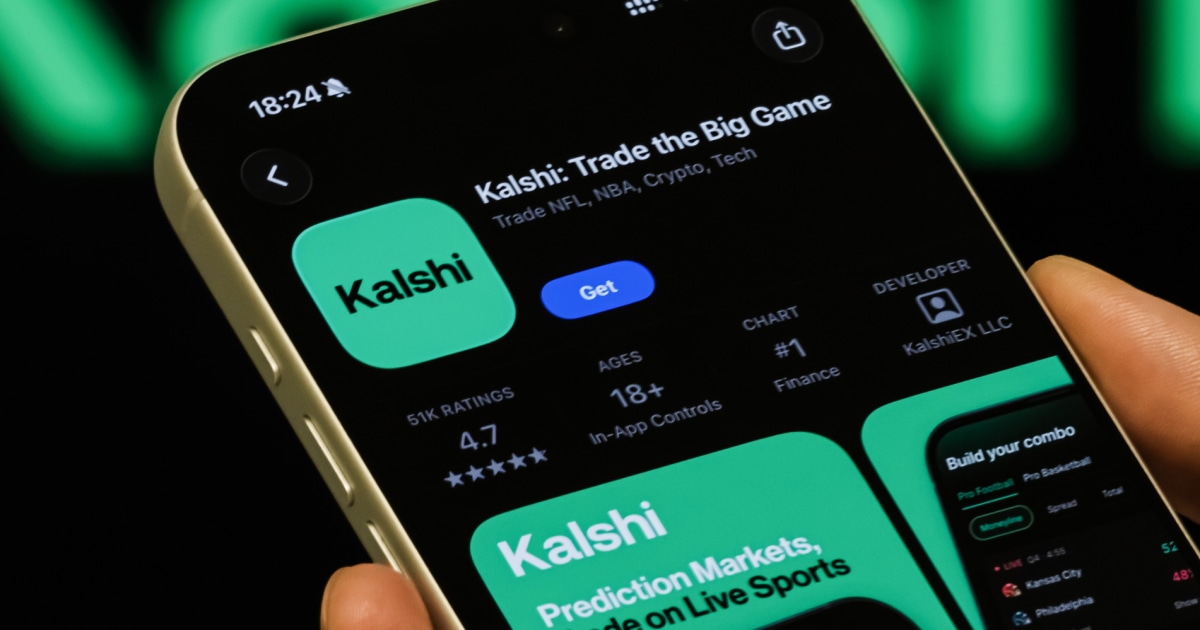
The overall sentiment is highly critical and cynical. * Users largely agree that Kalshi is illegal gambling in disguise. * There is frustration with regulatory loopholes used by tech/finance companies. * There is skepticism about whether this legal action will actually stop the company, given political connections and the nature of fines. * There is a desire for stricter regulation to protect consumers and prevent predatory practices. 4. **Drafting the Response (adhering to constraints):** * *Constraint Check:* Max 2 paragraphs. No extra text/explanation. * *Draft 1:* The general sentiment among readers is overwhelmingly critical of Kalshi, with many viewing the platform as a predatory gambling operation disguised as a financial market. Users frequently draw parallels to other fintech and gig economy companies that allegedly skirt regulations by redefining their services, expressing frustration that these businesses exploit legal gray areas until forced to settle. There is a strong consensus that labeling bets as "trades" does not change their fundamental nature, and many argue that the involvement of celebrities and the targeting of younger demographics exacerbate the social harm caused by these platforms. * *Draft 2:* Despite support for Arizona's legal action as a necessary step, there is deep cynicism regarding the potential outcome. Many commenters doubt the criminal charges will result in meaningful consequences, citing political connections, the relatively low fines, and a history of companies continuing business as usual after settlements. While some hope this sets a precedent for other states to follow, the prevailing mood is one of skepticism that regulators can effectively curb these industries without stricter legislation, leaving users feeling that the current enforcement is insufficient to stop what they perceive as institutionalized gambling. 5. **Refining and Combining:** * Combine the critical view of the business model with the skepticism about enforcement. * Ensure it flows well within two paragraphs. * *Revised Draft:* The general sentiment among readers is overwhelmingly critical of Kalshi, with many viewing the platform as a predatory gambling operation disguised as a financial market. Users frequently draw parallels to other fintech and gig economy companies that allegedly skirt regulations by redefining their services, expressing frustration that these businesses exploit legal gray areas until forced to settle. There is a strong consensus that labeling bets as "trades" does not change their fundamental nature, and many argue that the involvement of celebrities and the targeting of younger demographics exacerbate the social harm caused by these platforms. Despite support for Arizona's legal action as a necessary step, there is deep cynicism regarding the potential outcome. Many commenters doubt the criminal charges will result in meaningful consequences, citing political connections, the relatively low fines,
Public Sentiment
The prevailing sentiment among readers is one of intense cynicism and anger regarding the Trump administration and the Republican Party's involvement in the Epstein probe. Many view the GOP-led committee's decision to subpoena Attorney General Bondi as a significant blow to the "witch hunt" narrative, suggesting that even within the party, there is recognition of wrongdoing or a need to distance themselves from potential liability. There is a widespread belief that Bondi, along with figures like Trump, Barr, and Comer, is deeply implicated in a cover-up, with comments frequently citing their past actions and loyalty to Trump as evidence of complicity rather than innocence. There is a strong demand for actual legal accountability, with many expressing frustration that politicians often escape prison time for serious crimes.
Public Sentiment
The general sentiment among readers is a blend of amusement and approval, heavily influenced by the humorous coincidence of Poland's Prime Minister Donald Tusk sharing a name that sounds like a mashup of Donald Trump and Elon Musk. Many users joke about the name similarity, treating it as a fictional or satirical occurrence, while simultaneously expressing strong support for Poland's decision to withhold troops. There is a prevailing view that the conflict is a US folly driven by incompetence, with many commenters criticizing the American administration's strategy and leadership as dangerous and ill-conceived.
r/news
Public Sentiment
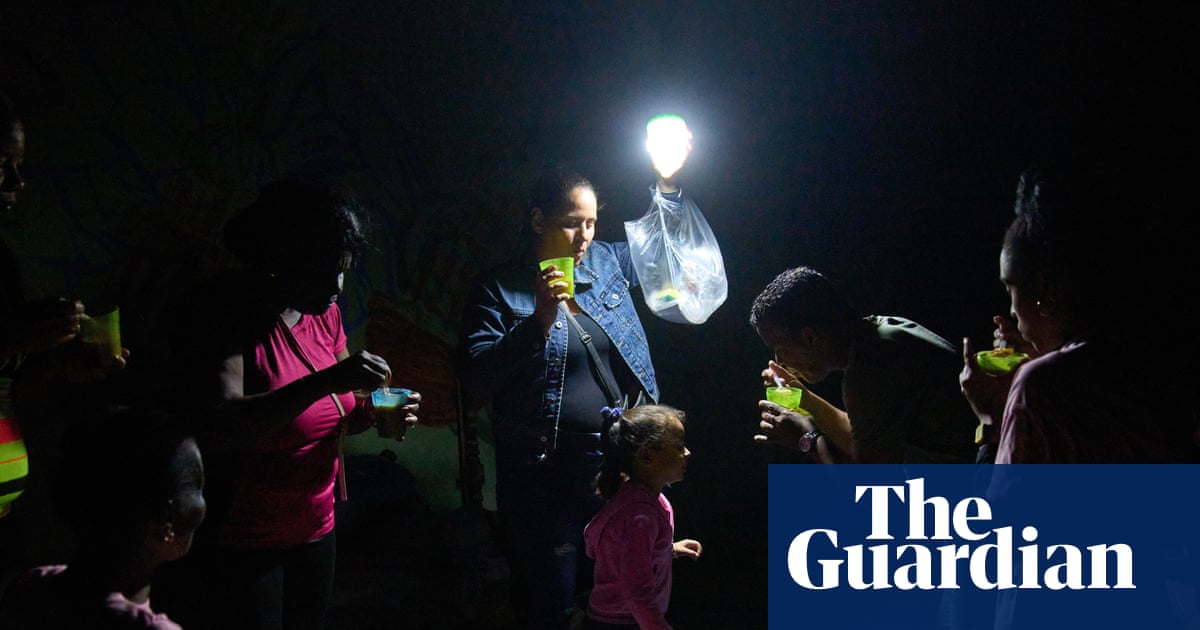
The prevailing sentiment among readers is one of deep cynicism and moral outrage regarding both US foreign policy and the Cuban-American diaspora. Many commenters condemn the US embargo and blockade as acts of "mass murder" that devastate ordinary Cubans, viewing the political will to maintain these sanctions as driven by vindictive diaspora groups who have "pulled up the ladder" behind them. There is a strong perception that Cuban-Americans, particularly those in Miami, are indifferent to the suffering of those still on the island, prioritizing their own wealth and conservative political agendas over humanitarian concerns. This lack of empathy is often linked to a classist attitude where those who fled decades ago look down on recent migrants and those who remained. Additionally, there is significant anxiety and despair surrounding the current US political landscape, specifically regarding the Trump administration and potential annexation or intervention in Cuba. Readers express fear that US instability, exemplified by Project 2025 and MAGA rhetoric, threatens global order and could lead to a "Bronze Age collapse" of American influence. The discussion reflects a broader disillusionment with American leadership, with many feeling that the US has lost its moral standing and is actively working to prevent any successful socialist model from existing nearby. Ultimately, the conversation is dominated by a sense of hopelessness about the future of Cuba under US pressure and a critical view of the diaspora's role in perpetuating that suffering.
