Real-Time News Sentiment
Analysis of trending Reddit news — tracking public mood,
controversy, and key topics
1358 Stories Analyzed
80 Positive Sentiment
1167 Negative Sentiment
r/news
Public Sentiment
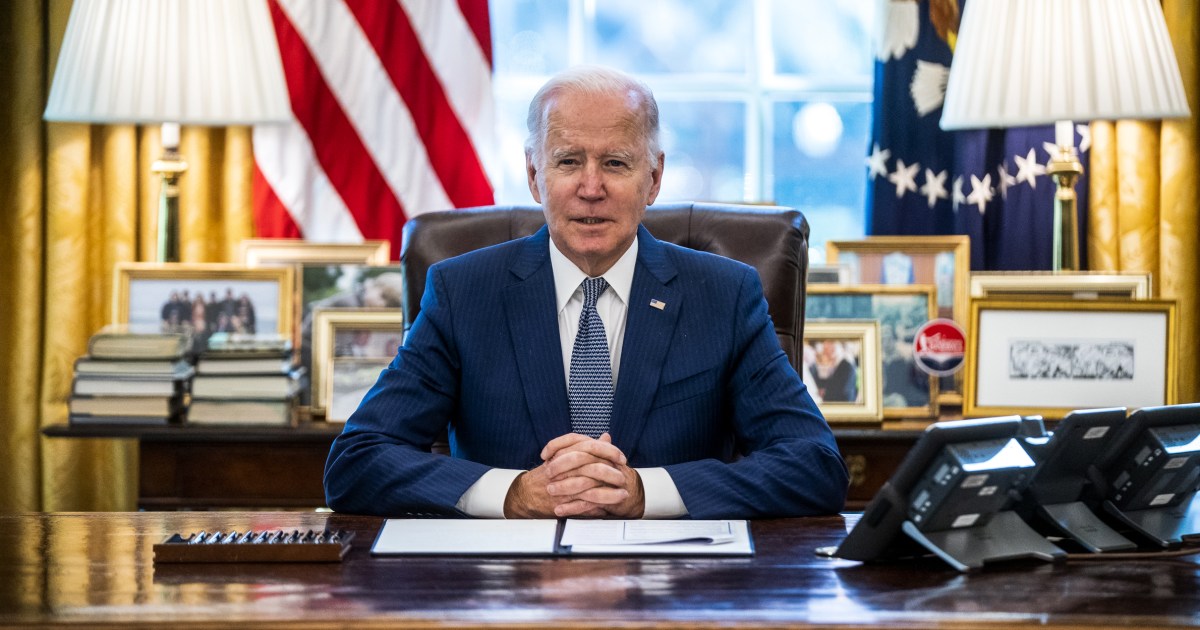
The general feeling is one of frustration and cynicism toward political accountability, with many dismissing the DOJ’s probe as a distraction or a failed legal maneuver. Comments highlight hypocrisy, pointing out that both Trump and Biden use autopen signatures, yet the focus remains on Biden, while Trump’s actions are overlooked. There’s a sense of absurdity in the legal arguments, with critics mocking the lack of relevant statutes and the administration’s apparent willingness to weaponize legal loopholes for political gain. The tone is dismissive of the probe’s legitimacy, framing it as a distraction from real issues like Iran policy or the January 6 pardons. A pervasive undercurrent of distrust in political institutions and leaders dominates, with many accusing both parties of incompetence and corruption. The discussion often devolves into partisan blame, with accusations of double standards and baseless conspiracy theories. There’s a call for systemic reform, such as stricter oversight of autopen use, but this is overshadowed by skepticism about the feasibility of such changes. Overall, the sentiment reflects a deepening disillusionment with politics, where legal and ethical concerns are secondary to partisan narratives and the pursuit of sensationalism.
Public Sentiment
The general feeling is one of frustration and anger toward U.S. sanctions on Cuba, with many criticizing the policy as cruel, outdated, and rooted in Cold War-era hostility rather than current threats. Comments highlight the humanitarian impact, such as blackouts and medical shortages, as examples of collective punishment, while others argue the embargo has been a bipartisan tool to maintain U.S. influence in the region. There’s widespread skepticism about the U.S. government’s motives, with some suggesting it’s a personal vendetta against figures like Rubio or a way to appease MAGA voters, while others dismiss it as a power play to prevent Cuba from becoming an independent actor. The debate also reflects broader frustrations with U.S. foreign policy, with critics comparing the embargo to historical aggression and questioning America’s role as a “good neighbor.” Some defend Cuba’s socialist model, arguing the U.S. has been a greater threat through military interventions, while others dismiss Cuba’s economic struggles as self-inflicted. The discussion underscores a mix of outrage at the sanctions, skepticism of U.S. intentions, and a recognition of Cuba’s complex geopolitical role, all framed within a context of bipartisan U.S. hostility toward the island.
Public Sentiment
The general feeling is one of shock and outrage over the repeated, catastrophic disasters at the Rubaya mine, with people expressing disbelief at the high death tolls and condemning the ongoing safety failures under rebel control. There is frustration with the conflicting accounts of casualties and the systemic exploitation of the mine’s resources, which has led to severe human suffering. A strong sense of moral condemnation emerges, particularly toward the mining industry and rebel groups for prioritizing profit over human lives, with many calling out the unacceptable toll on children and communities. The repeated tragedies are seen as a stark indictment of systemic neglect and greed, fueling anger and calls for accountability.

r/news
Public Sentiment
The general feeling is one of shock, anger, and frustration toward the Catholic Church’s historical cover-ups and lack of accountability. Many readers express disbelief that such widespread abuse persisted for decades, with some highlighting personal experiences of growing up in Rhode Island and witnessing the trauma’s long-term impact. Others compare the scandal to other high-profile cases, like Epstein’s, suggesting the scale of harm may be even greater than reported. The tone is critical of the Church’s forgiveness culture, which some argue enables abusers to avoid consequences, while also questioning the institution’s legitimacy in light of its failures. There is also a sense of disillusionment with systemic complicity, as readers blame both religious and political institutions for enabling abuse and protecting perpetrators. While some acknowledge similar issues in other faiths, the focus remains on the Catholic Church’s role in perpetuating harm. The comments reflect a mix of outrage at the lack of remorse from abusers and a call for accountability, with many expressing solidarity with victims and rejecting the idea that perpetrators should be absolved. The overall sentiment underscores a deep mistrust in institutions that prioritize secrecy over justice.

r/news
Public Sentiment
The general feeling is one of frustration and skepticism, with many readers believing the subpoena will be another performative spectacle rather than a meaningful investigation. Comments frequently mock Pam Bondi’s past behavior, such as her focus on stock market chatter over substantive answers, and predict she will evade questions, lie, or deflect with irrelevant remarks. There’s widespread cynicism about the hearing’s purpose, with some suggesting it’s a distraction from larger issues like the Iran conflict or Trump’s influence, while others doubt the committee’s ability to hold her accountable. A recurring theme is the hope that exposing Bondi’s incompetence will serve as public accountability, even if the hearing itself lacks teeth. Some argue that her repeated failures—like ignoring questions or prioritizing the Dow over Epstein files—will ultimately undermine her credibility. However, many remain unconvinced that any real consequences will follow, with calls for contempt charges or impeachment overshadowed by the perception that the process is rigged or ineffective. The tone blends resignation with a desire to highlight her hypocrisy, even if the outcome remains uncertain.
r/news
Public Sentiment
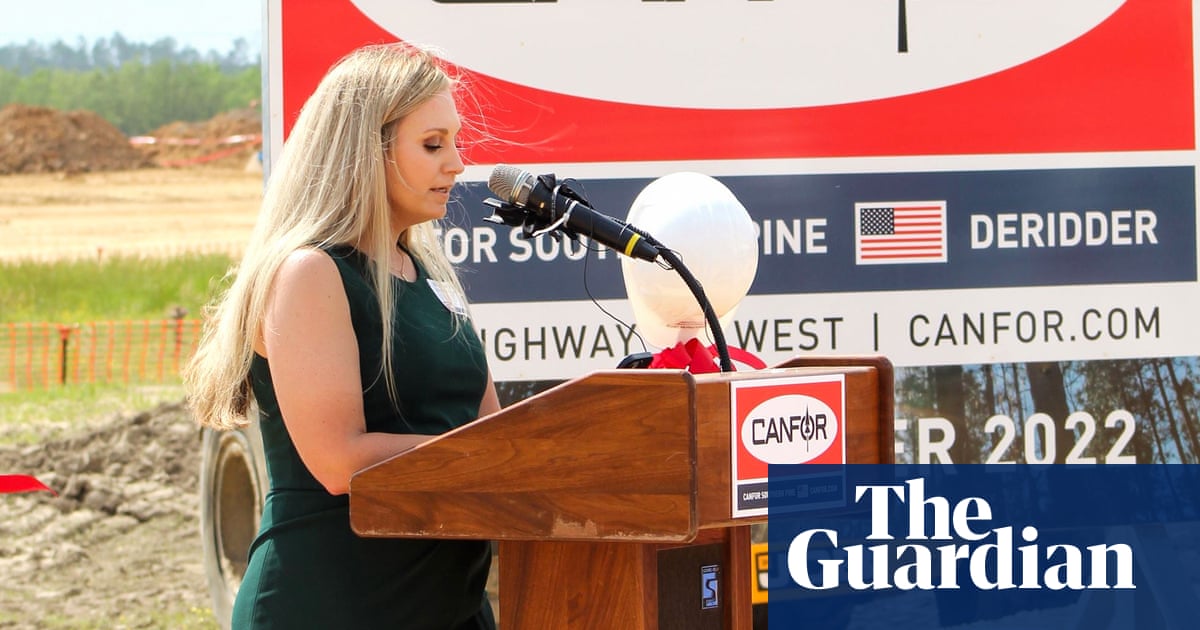
The comments reflect a mix of outrage, disbelief, and frustration over the mayor’s conviction, with many emphasizing the shock that a public official could sexually assault a minor while in office. There is widespread speculation about a family pattern of abuse, with some suggesting historical trauma and others criticizing the legal system for unequal sentencing between the mayor and her brother. The discussion also highlights frustration with political accountability, as users compare the case to broader issues of power and corruption, while others dismiss the legal definitions of rape, particularly when the victim is a male. The conversation also reveals tension around victim-blaming and the politicization of justice, with some users defending the need for accountability regardless of the perpetrator’s status, while others mock the media’s focus or dismiss the severity of the crime. There is a recurring theme of hypocrisy, especially regarding political figures, and a push for systemic change to address sexual violence. Despite the heated exchanges, many stress the importance of holding all individuals—regardless of power or gender—accountable for their actions.
r/news
Public Sentiment
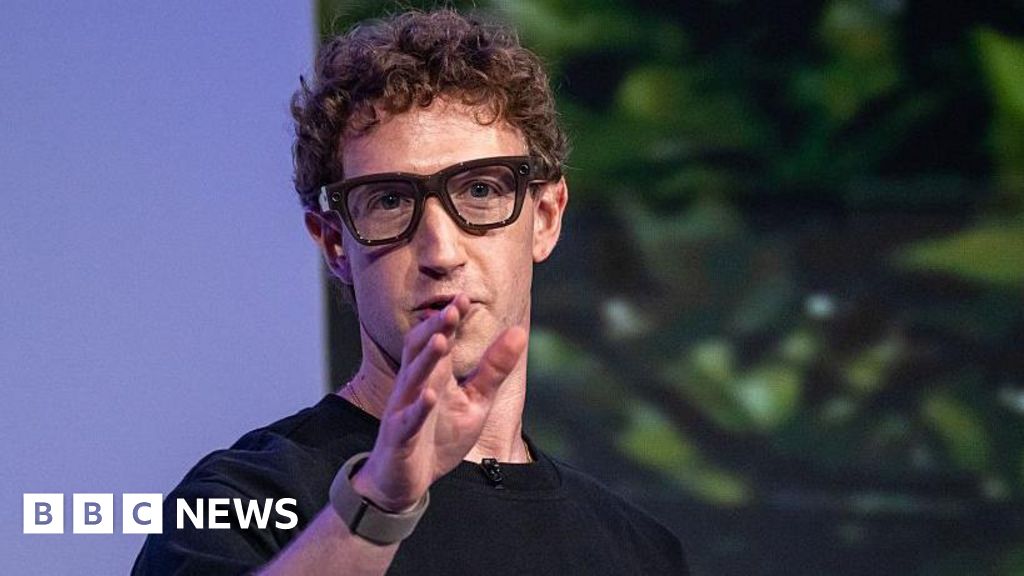
The general feeling is one of outrage and distrust toward Meta’s handling of user privacy, with many condemning the company for enabling invasive data collection through its subcontractor in Kenya. Comments highlight the absurdity of intimate videos being reviewed, calling Meta’s practices a betrayal of trust and a clear invasion of privacy. Frustration is directed at the company’s lack of transparency, with critics arguing that such breaches should be explicitly stated, not buried in legal jargon. The tone is dismissive of Meta’s claims of ethical use, with some suggesting the company’s actions are emblematic of a broader pattern of exploitation, particularly of vulnerable groups like children. There’s also a mix of skepticism and dark humor about the AI glasses themselves, with many mocking their design and potential misuse for voyeurism or pornography. While some acknowledge the glasses’ utility for specific purposes, the majority view them as unnecessary or even creepy, with critics questioning the ethics of wearing them for private activities. The backlash extends to Meta’s broader influence, with calls for accountability and comparisons to past scandals, though a few note the company’s entrenched market dominance despite repeated controversies.

r/news
Public Sentiment
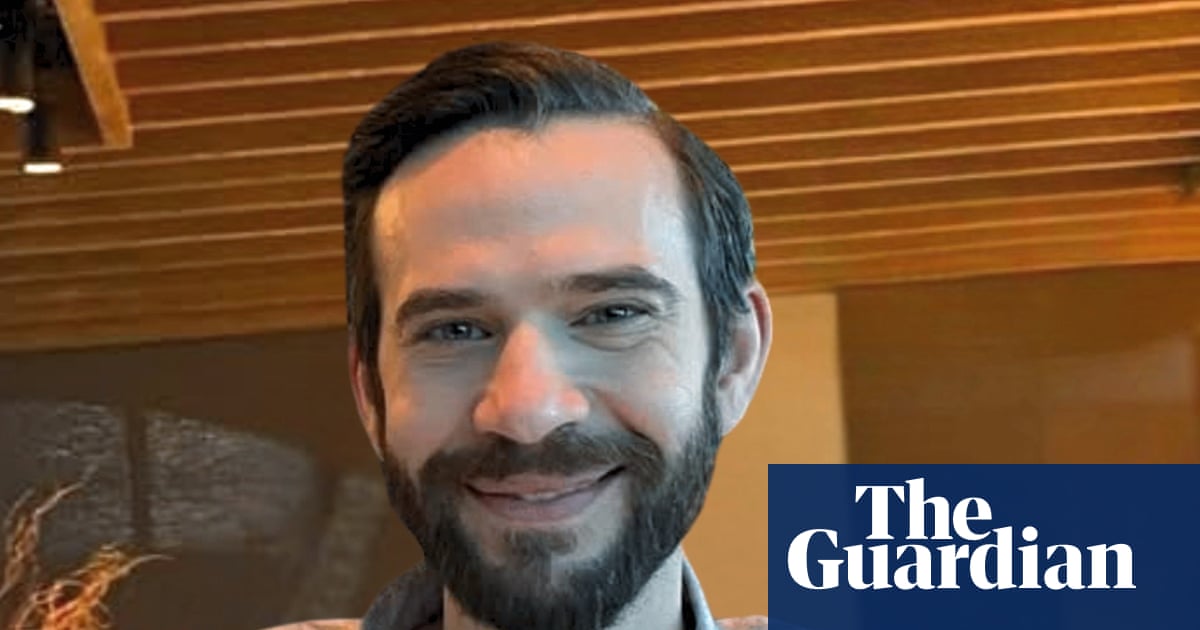
The comments reflect a mix of outrage, fear, and historical comparisons, with many equating the ICE detention facility’s conditions to Nazi concentration camps, citing disease outbreaks, lack of medical care, and systemic neglect. Critics accuse the administration of prioritizing political control over human welfare, using detention as a tool for population management and deflecting accountability. The measles outbreak is framed as both a humanitarian crisis and a calculated risk, with some suggesting it’s part of a broader strategy to marginalize or eliminate vulnerable groups. A counter-narrative emerges, emphasizing the legal and structural differences between the U.S. and Nazi Germany, arguing that ICE detention is part of a democratic system with oversight, not genocide. However, this view is met with skepticism, as many see the comparison as unavoidable given the scale of neglect and the administration’s refusal to grant transparency. The debate underscores deep political polarization, with calls for accountability clashing against fears of political retaliation, while the public’s anger over systemic failures and health risks remains pervasive.
r/news
Public Sentiment
The general feeling is a mix of horror, outrage, and frustration toward AI’s potential to manipulate vulnerable individuals, with many blaming the technology for enabling dangerous behavior. Comments highlight the disturbing role of AI in fostering harmful roleplay, such as romantic fantasies leading to self-harm, and question the ethical boundaries of chatbots. There’s widespread anger at companies like Google for prioritizing profit over safety, with critics arguing that AI’s lack of sentience and guardrail limitations make it inherently risky. Some dismiss the AI’s culpability, attributing the tragedy to the user’s mental state, while others demand stricter regulations and accountability. The broader concern centers on the ethical and regulatory failures in AI development, with many calling for urgent legal frameworks to prevent harm. Comments reflect a deep distrust in corporations and governments for failing to address AI’s risks, while also acknowledging the technical challenges of enforcing ethical constraints. There’s a sense of urgency to balance innovation with safety, but frustration persists over the slow pace of regulation and the profit-driven motives of tech giants. Overall, the sentiment is one of alarm, with calls for accountability, transparency, and a reevaluation of AI’s role in society.

r/news
Public Sentiment
The overwhelming sentiment is one of outrage and moral condemnation toward Rep. Tony Gonzales, with many accusing him of exploiting his position of power to coerce a subordinate into an affair that allegedly led to her suicide. Comments emphasize his responsibility for creating a toxic dynamic, citing texts and harassment as evidence of manipulation, while others debate the extent of his culpability versus the woman’s agency. The discussion is charged with frustration over the ethics panel’s inaction and the broader political system’s failure to hold powerful figures accountable, with some calling for his removal from office and others questioning the legitimacy of the investigation. A second wave of reactions focuses on the political implications, with critics lambasting the GOP for prioritizing party interests over justice and dismissing the ethics panel’s credibility. There’s also a mix of anger and disbelief at the lack of consequences for Gonzales, alongside calls for systemic reform, as users compare his case to other scandals and demand accountability for abuse of power. The tone is deeply polarized, with many expressing despair over the state of political ethics and the personal toll on victims.
r/news
Public Sentiment
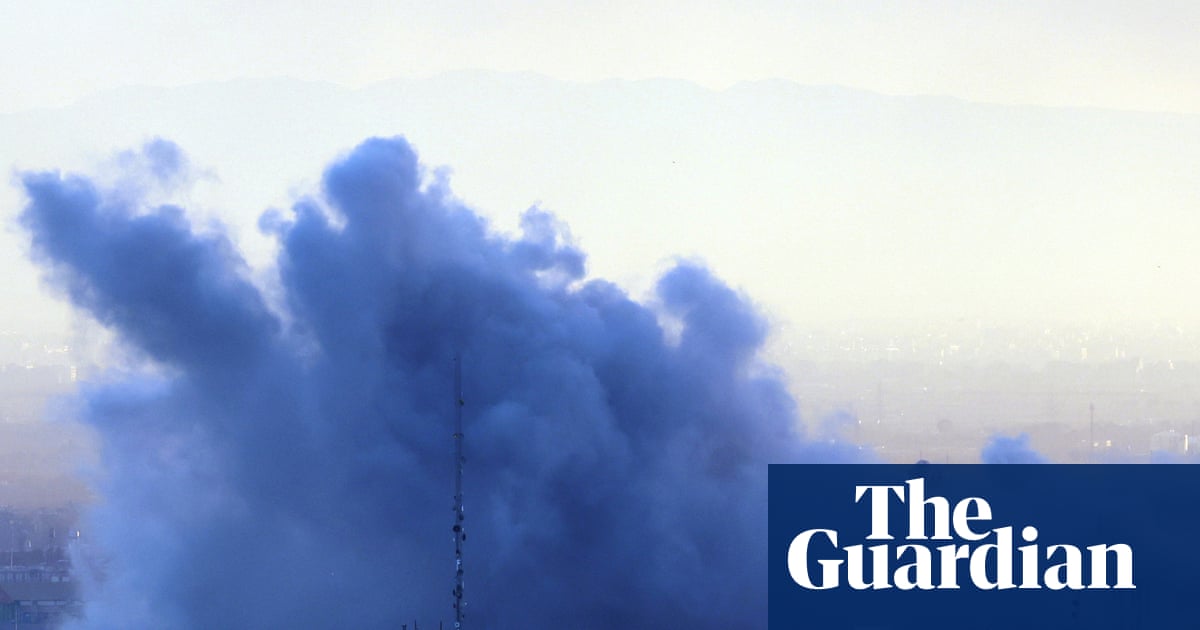
The general feeling is one of frustration and anger over the escalating violence, with many expressing deep concern for civilian casualties and questioning the motives behind the strikes. Comments highlight a sense of historical injustice, blaming Israel and the U.S. for decades of conflict, while others criticize the political and religious agendas driving the war, such as Christian Nationalist visions of Armageddon or corporate interests tied to military-industrial complexes. There’s also widespread skepticism about the narrative of “preemptive strikes,” with some arguing that the conflict is part of a broader geopolitical strategy to destabilize the region and control resources. A second wave of sentiment reflects public disillusionment with the war’s consequences, including low approval ratings and fears of further radicalization. Many express frustration with the cyclical nature of violence, the role of misinformation, and the manipulation of political and religious groups to justify the conflict. There’s also a sense of helplessness about the lack of accountability and the potential for the war to spiral into a global crisis, with some warning of a future dominated by surveillance, AI, and perpetual conflict.
Public Sentiment
The general sentiment is a mix of skepticism and frustration toward U.S. foreign policy, with many questioning the feasibility of negotiations given the destruction of Iran’s leadership and the U.S.’s history of destabilizing the region. Critics argue the U.S. created the current crisis through past interventions like the 1953 coup, and blame Trump’s administration for escalating tensions for political distraction or profit. Some dismiss Iran’s openness to talks as insincere, citing the regime’s entrenched power and unwillingness to cede control over nuclear capabilities or missiles. Others suggest the war is a dead end, with no clear path to peace or regime change, and warn of further chaos, including potential civil war in Iran. The second paragraph reflects broader cynicism about the U.S. and Israel’s motives, with many viewing the conflict as a tool for geopolitical control or to divert attention from domestic issues like Trump’s legal troubles. There’s also frustration over the lack of accountability for past actions and the cyclical nature of U.S. foreign policy, which some argue perpetuates violence and instability. A recurring theme is the belief that negotiations are futile without addressing the root causes of the conflict, and that the U.S. prioritizes short-term gains over long-term solutions, risking further escalation and regional devastation.
