Real-Time News Sentiment
Analysis of trending Reddit news — tracking public mood,
controversy, and key topics
1358 Stories Analyzed
80 Positive Sentiment
1167 Negative Sentiment
r/news
Public Sentiment
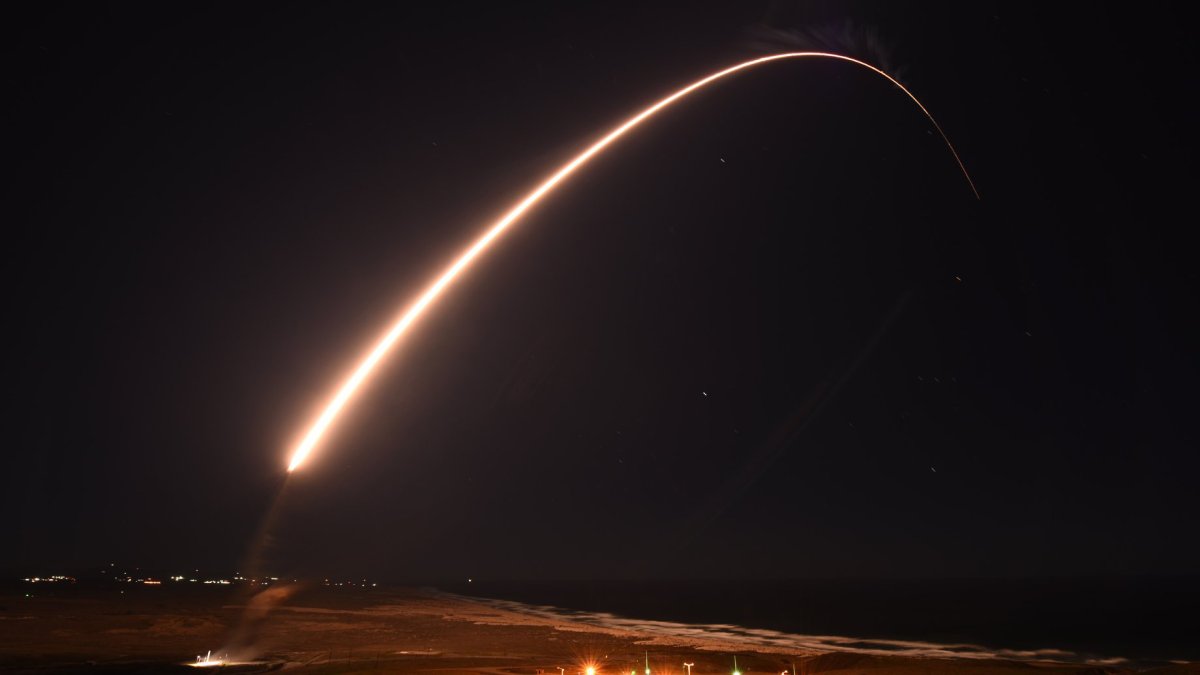
The general feeling is a mix of skepticism, concern, and irony toward the routine nuclear testing, with many highlighting the absurdity and danger of maintaining such weapons. Comments often juxtapose the technical details of missile tests with critiques of their real-world implications, such as environmental harm, historical failures, and the moral cost of spending on nuclear deterrence over social programs. A significant portion of the discourse leans into geopolitical tensions, questioning the necessity of nuclear arsenals and the risks of miscalculation, while others dismiss the tests as standard procedure. The tone oscillates between dark humor about the "fun" of nuclear brinkmanship and serious warnings about the catastrophic consequences of escalation, reflecting a deep unease with the status quo.

r/news
Public Sentiment
The general feeling is frustration and criticism toward poor technical and managerial decisions, with users blaming budget cuts and oversight for the outage. Concerns about data sovereignty laws and technical challenges like cooling in arid regions highlight awareness of systemic constraints. There’s also a mix of geopolitical speculation, with some suggesting external actors like Iran could influence policy changes, while others question the feasibility of multi-region deployments due to legal and environmental factors.
Public Sentiment
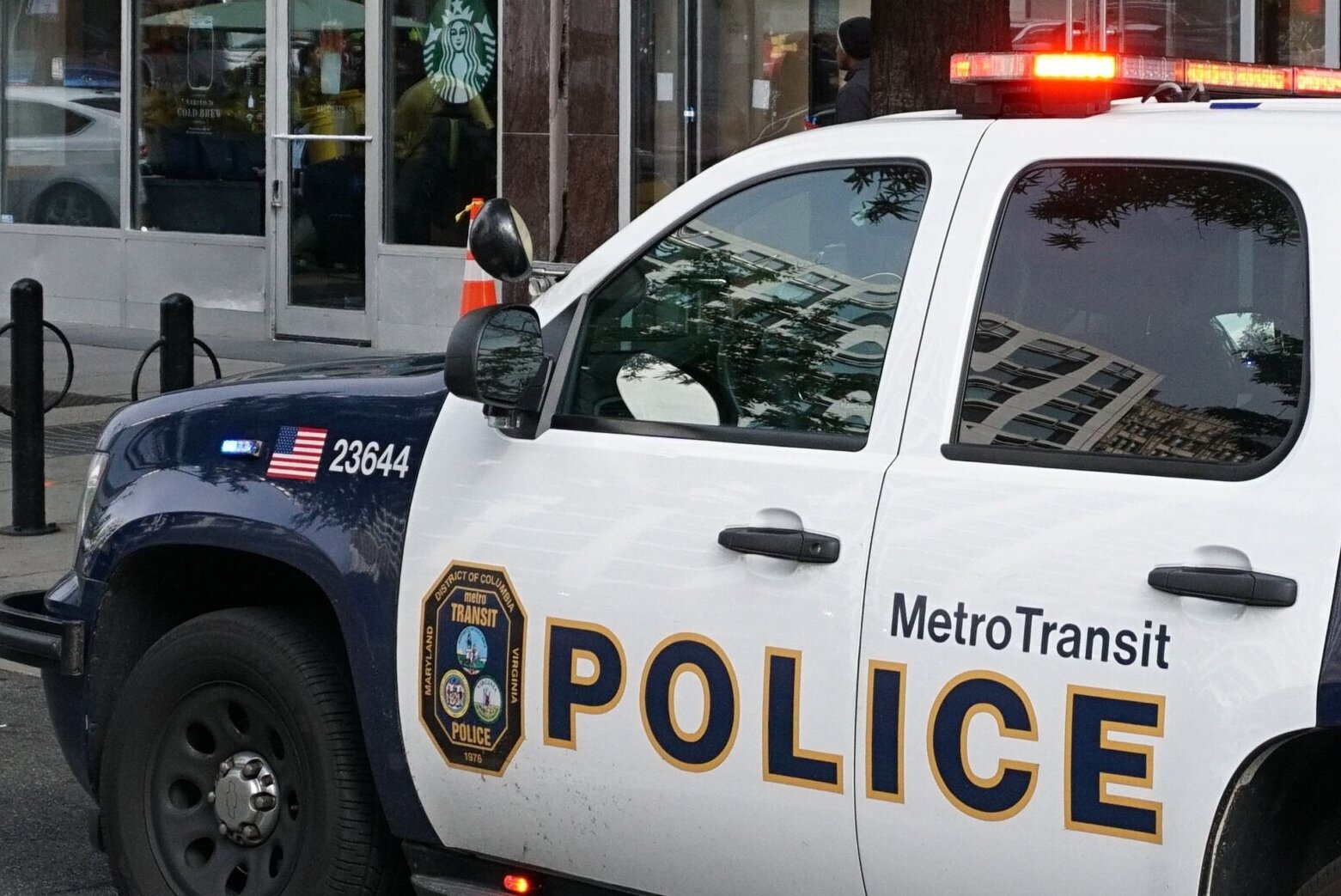
The comments reflect widespread frustration and anger over the deaths of U.S. soldiers in Iran, with many criticizing the political right for their perceived hypocrisy and lack of outrage. Critics accuse Republicans of abandoning their anti-war platform, instead prioritizing loyalty to Trump and Israel, while dismissing the loss of life as inevitable. The discussion also highlights deep resentment toward Israel’s perceived exploitation of American troops, with some accusing Zionist interests of manipulating U.S. foreign policy and using soldiers as "cannon fodder." Legal and institutional failures are condemned, as people question why unlawful actions by the executive branch face no consequences, framing this as a breakdown of democracy and a slide toward authoritarianism. A pervasive sense of disillusionment with the political system, media, and military interventions dominates the discourse. Many view the wars as futile, driven by corporate and Zionist agendas rather than national interest, and express despair over the lack of accountability for leaders who prioritize power over lives. The comments also underscore a broader cynicism about American institutions, with critics blaming billionaires, corporate influence, and political corruption for perpetuating cycles of violence and inequality. Despite the outrage, there’s a resigned acknowledgment of systemic failure, leaving many feeling powerless against a government that prioritizes war and profit over people.
r/news
Public Sentiment
The opinions reflect a mix of confusion and criticism, with some questioning the severity of the charges and the pardoned rioter’s actions, while others mock the pardon and compare it to irrational hatred toward trans people. A few dismiss the behavior as normal or trivial, contrasting it with more serious crimes. There’s debate over whether the act constitutes assault, with some arguing it’s non-consensual and warranting imprisonment, while others remain skeptical about its seriousness. The discussion highlights tensions around pardons, accountability, and societal perceptions of minor versus major offenses.

r/news
Public Sentiment
The general feeling is a mix of confusion and skepticism, with some users questioning the relevance of the thumbnail image and mocking the perceived uniformity of Asian markets. Others express frustration over the KOSPI's sharp decline, contrasting it with earlier gains, while some dismiss the Middle East conflict's impact on global markets as overblown. A significant portion of the comments reflects anxiety about geopolitical tensions, with debates over Iran's influence and the potential consequences of the Strait of Hormuz closure. Some argue the situation is a chaotic "shit show," while others downplay Iran's power, citing military degradation and the U.S.'s ability to resolve the crisis through force. The tone oscillates between pessimism and a sense of inevitability, with underlying frustration at the lack of clear outcomes.

r/news
Public Sentiment
The general feeling is a mix of approval for the court’s decision to dissolve the Unification Church, seen as a necessary response to its harmful influence and the assassination of Shinzo Abe, while also acknowledging the complex political and societal implications. Many view the ruling as a justified action against a financially predatory organization, though some question its effectiveness given the church’s continued operations abroad. Others highlight the irony that the dissolution came only after a high-profile act of violence, raising debates about whether the system has truly changed or merely shifted in direction. There is also a sense of irony and frustration over the unresolved issues, such as the church’s lingering ties to Japanese politics and the broader cult problem, with some attributing it to foreign influence or systemic failures. While some praise the assassination’s role in exposing the church’s corruption, others criticize the lack of accountability for political figures linked to it. The discussion reflects a tension between relief at the legal action and skepticism about its long-term impact, with many questioning whether the dissolution will truly address deeper societal and institutional flaws.
Public Sentiment
The general feeling is a mix of skepticism, frustration, and cynicism toward the article’s claims, with many dismissing it as clickbait or conspiracy-driven. Comments question the credibility of hacked traffic cameras as a key intelligence tool, mock the idea of surveillance being used to target Iran’s leadership, and doubt the narrative’s connection to real events like the bombing of a school in Gaza. Skepticism extends to intelligence agencies’ transparency, with critics accusing them of hiding motives or fabricating stories to deflect from real sources like HUMINT and SIGINT. A recurring theme is distrust of media and government accountability, with users mocking the lack of concrete evidence, the absurdity of claims like Epstein documents being burned, and the hypocrisy of intelligence agencies’ secrecy. Many also express frustration over unexplained gaps in information, such as the absence of video footage from protests or the failure to clarify who the “terrorists” are, while others remain unconvinced by the article’s premise and demand more substantiation.

r/news
Public Sentiment
The general feeling is one of outrage and disillusionment toward President Trump’s perceived disrespect for military sacrifice, with many viewing his remarks about “curtains” as a cynical distraction from the soldiers’ deaths. Critics argue he prioritizes ego over honor, framing the war as a tool for political or financial gain rather than a defense of national values. The sentiment is that the soldiers’ lives were undervalued, with some accusing Trump of treating them as pawns to divert attention from scandals like the Epstein files. This anger is compounded by frustration over the war’s justification, with many believing it serves corporate interests or geopolitical agendas rather than genuine security. A deeper critique emerges about the broader system, with users condemning the war industrial complex and the disproportionate burden on reservists and guardsmen. The soldiers’ deaths are seen as meaningless, tied to historical patterns of wealth-driven conflict, and their sacrifice is dismissed as a tool for political distraction. There’s a strong call for accountability, both for Trump’s rhetoric and the administration’s policies, alongside a mourning for the human cost, which many feel is ignored or exploited. The tone is one of collective grief and rage, questioning the morality of a system that profits from war while glorifying its victims.
Public Sentiment
The general sentiment is one of deep cynicism and distrust toward U.S. foreign policy, particularly regarding the Kurds. Many readers highlight a pattern of betrayal, citing past U.S. abandonment of Kurdish allies in Syria and Iraq, which led to mass casualties and eroded trust. They view the current CIA-backed arming of Kurdish forces as another failed attempt to manipulate a vulnerable group for geopolitical gain, warning of potential disaster, including civil war, refugee crises, and further Kurdish suffering. There’s also frustration with the administration’s perceived incompetence and lack of planning, with critics comparing the move to historical failures like the Iran-Contra affair and Afghanistan. Skepticism extends to the Kurds’ willingness to accept U.S. support despite repeated betrayals, while some mock the idea of “Mission Accomplished” and question the likelihood of success. Overall, the tone is bleak, emphasizing the cyclical nature of U.S. foreign policy missteps and the Kurds’ precarious position between external forces and internal conflict.
r/news
Public Sentiment
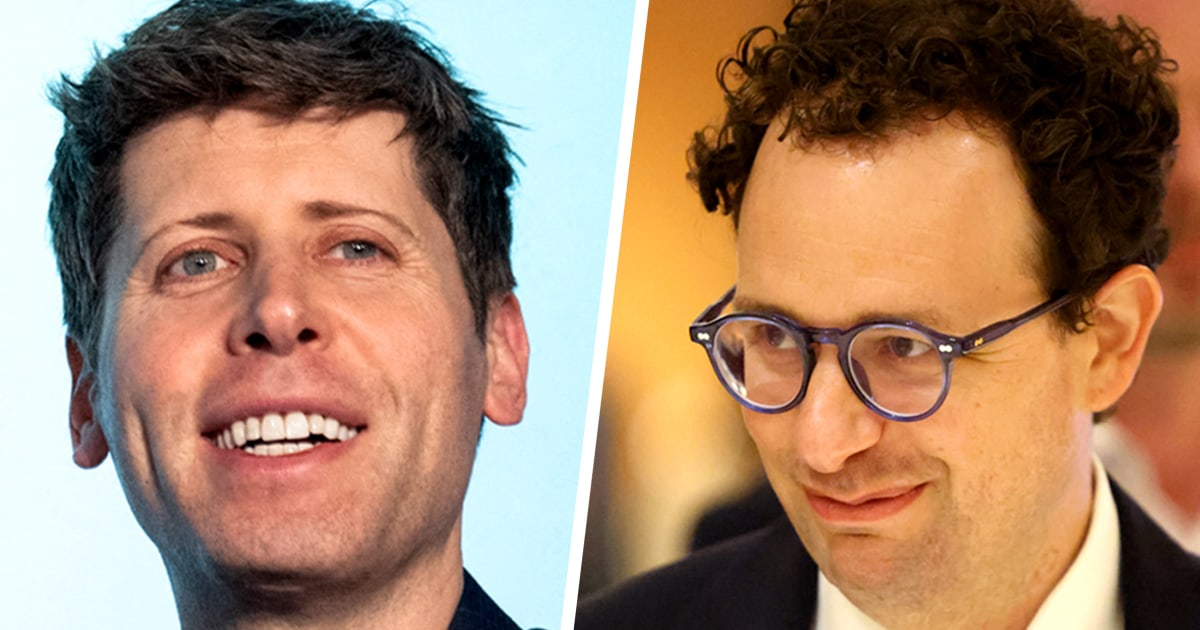
The general sentiment is one of deep skepticism and distrust toward OpenAI’s claims of altering its Pentagon deal, with many viewing the changes as empty promises or damage control. Critics argue the new language allowing "intentional" use for surveillance is vague and prone to exploitation, while others dismiss the company’s efforts to salvage its reputation, citing past betrayals and a lack of transparency. Subscription cancellations are seen as a direct response to ethical concerns, with users accusing OpenAI of prioritizing profit over principles, especially as the company faces pressure to meet IPO goals. The broader concern centers on surveillance risks and the erosion of privacy, with users questioning the legality and morality of AI’s role in state power. Many compare OpenAI’s situation to other tech companies, advocating for boycotts and corporate accountability. Despite doubts about the Pentagon’s acceptance of the revised terms, the consensus is that OpenAI’s actions—whether intentional or not—reflect a prioritization of profit over public trust, fueling calls for continued resistance and scrutiny.
r/news
Public Sentiment
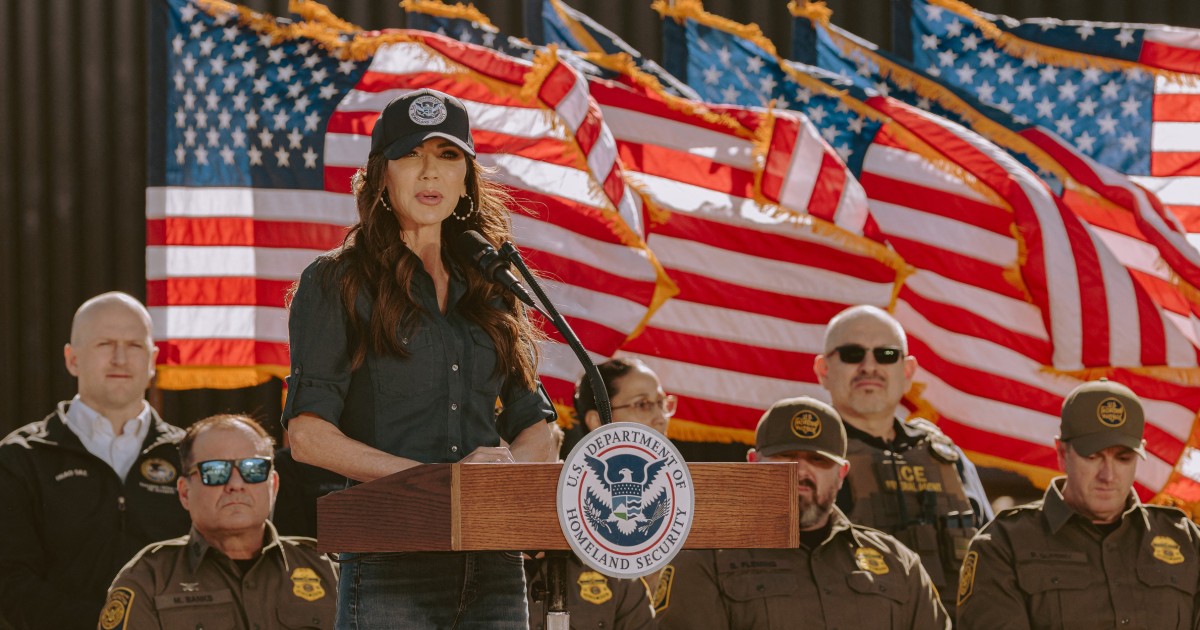
The general feeling is a mix of frustration and anger toward the Trump administration’s policies, with many viewing the 7-day notice requirement as an unnecessary overreach and a tool to suppress transparency. Critics argue the policy is unconstitutional, absurd, and part of a broader pattern of authoritarian tactics, while others express disbelief that such measures were ever taken seriously. There’s also a sense of cynicism about the legal system’s ability to counteract these actions, with some suggesting courts should automatically rule against the administration. A strong undercurrent of hope and urgency emerges, particularly around the ruling’s potential to restore congressional oversight and accountability. Many emphasize the importance of legislators accessing ICE facilities to monitor conditions, framing the policy as a threat to democratic principles. However, this optimism is tempered by skepticism about the administration’s willingness to comply, with fears of further obstruction and a call for grassroots support to hold officials accountable. The tone oscillates between outrage at government overreach and determination to resist it.
Public Sentiment
The general feeling is one of deep frustration and anger toward efforts to rewrite history, particularly regarding slavery, minority contributions, and the erasure of marginalized voices. Many view these actions as part of a broader, systemic attempt to downplay or distort historical truths, with blame directed at Trump, the Republican Party, and far-right groups for promoting revisionist narratives. Comments reference examples like PragerU in schools, the rebranding of the Trail of Tears, and the removal of Black history monuments, framing these as deliberate efforts to erase systemic racism and suppress dissent. There’s also a sense of despair about the country’s trajectory, with some suggesting that such revisionism reflects a return to 19th-century authoritarianism and a rejection of progress. The second paragraph reflects a mix of dystopian fear and calls for radical change, with references to Orwellian control and the need to “denazify” the country. Many argue that the problem isn’t just Trump but a deeper cultural and political rot, tied to white supremacy, corporate ties to fascism, and the GOP’s long history of suppressing marginalized narratives. There’s a sense of urgency to confront these issues through legal, educational, and societal reforms, while also highlighting the polarization and division within society—some see it as a necessary reckoning, while others view it as a collapse into authoritarianism. The tone is both defiant and resigned, with a recurring theme of historical cycles and the urgency of resisting erasure.
