Real-Time News Sentiment
Analysis of trending Reddit news — tracking public mood,
controversy, and key topics
1358 Stories Analyzed
80 Positive Sentiment
1167 Negative Sentiment

r/news
Public Sentiment
The general sentiment surrounding the incident is a mix of relief and dark humor, with many readers expressing gratitude that the plane landed safely despite the unusual location. Comments highlight a sense of awe at the pilot's skill, noting that walking away constitutes a "good landing," while others find the situation amusing by joking about being cut off by an aircraft or comparing the scene to a video game scenario. Beyond the immediate reaction, the opinions reflect a broader context of aviation safety concerns and regional comparisons. Some readers contrast this successful emergency landing with recent struggles faced by American aircraft elsewhere, while others draw parallels to chaotic highway incidents in different states. The overall tone remains lighthearted yet appreciative of the outcome, blending sarcasm about the specific circumstances with genuine relief that no major disaster occurred.

r/news
Public Sentiment
The general feeling expressed by readers is one of deep concern and empathy for those affected by the wildfire. The primary sentiment revolves around a sincere hope for the safety and well-being of the residents forced to evacuate, reflecting a collective worry amidst the dangerous and fast-growing conditions described in the news. There is a strong undercurrent of solidarity and care, as the focus remains entirely on the human element of the crisis rather than the logistical details of the fire itself. This brief but heartfelt reaction highlights a shared desire for a positive outcome and the protection of lives in the face of the threatening weather and emergency situation.
r/news
Public Sentiment
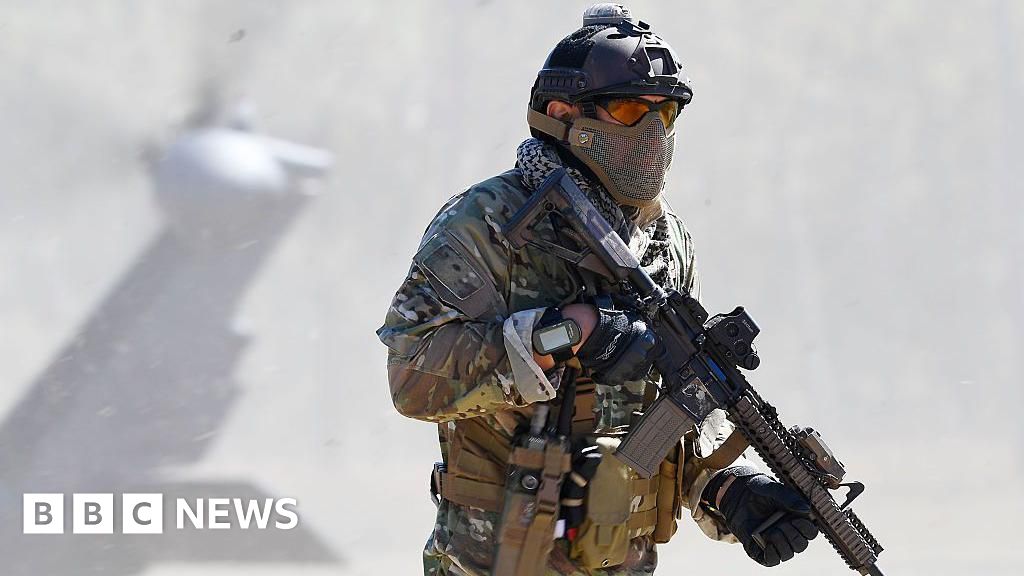
The general sentiment surrounding the missing US crew member is a complex mix of genuine concern for the individual's survival and deep cynicism regarding the broader geopolitical context. While many commenters express hope that the pilot is alive, utilizing SERE training to evade capture in the harsh terrain, there is a prevailing skepticism that he may already be dead or held secretly by Iranian forces as a bargaining chip. This anxiety is compounded by frustration over the dangerous rescue operations, which have already resulted in the loss of additional aircraft, leading some to question the strategic wisdom of continuing the search in such a hostile environment. Simultaneously, the discussion is heavily polarized by political views on the conflict itself, with a significant portion of the audience condemning the war as illegal and imperialist, viewing the pilot's plight as a consequence of US aggression rather than a heroic struggle. This moral ambiguity fuels a strong prediction that the event will inevitably be co-opted by Hollywood into a propagandistic war movie, a prospect that many find distasteful given their perception of the US military's role in the region. Ultimately, the conversation oscillates between the human drama of a soldier's potential ordeal and a broader critique of American foreign policy, with many anticipating that any future narrative will be heavily sanitized to fit a traditional "hero vs. savage" trope.
r/news
Public Sentiment
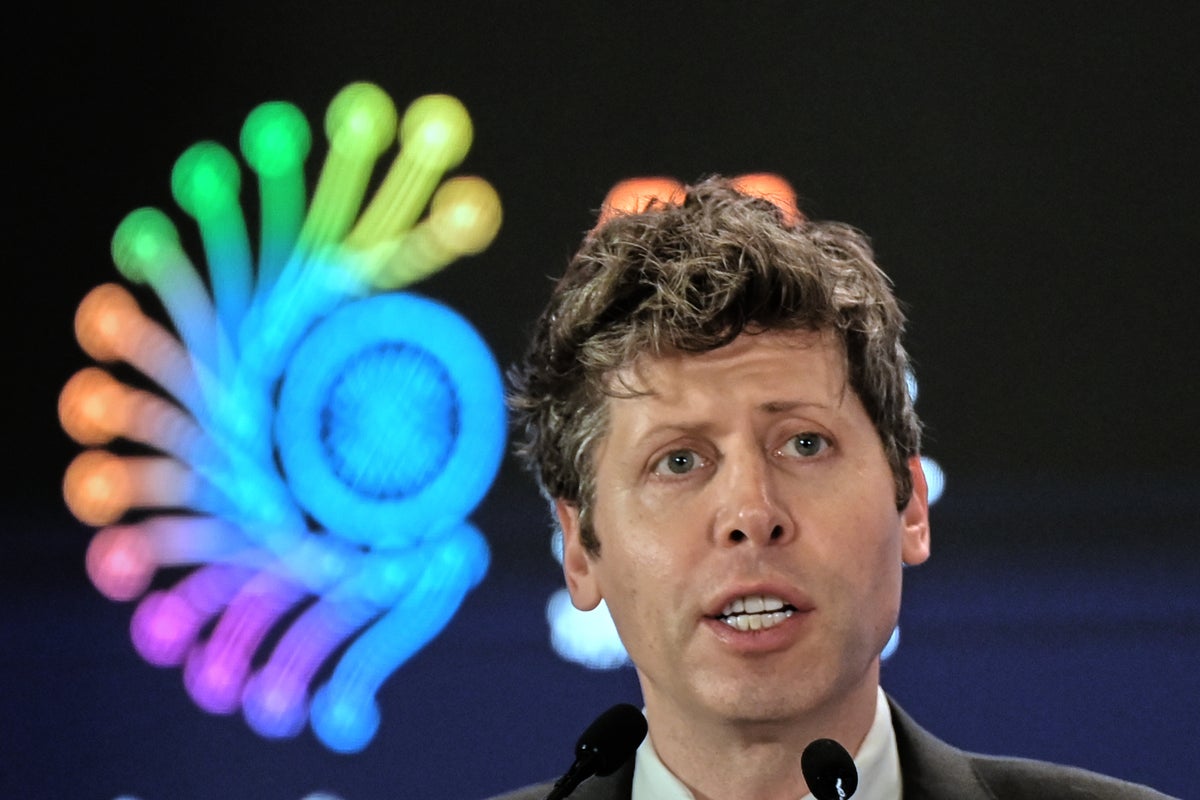
The general sentiment is deeply polarized, with a significant portion of readers expressing strong skepticism toward Sam Altman and a willingness to believe his sister's allegations of long-term sexual abuse. Many commenters dismiss the defense of Altman as a smear campaign or an attempt to protect a wealthy elite, often drawing parallels to other high-profile figures like Jeffrey Epstein. There is a prevailing view that the family's wealth and the sister's alleged mental instability are being unfairly used to discredit a victim, with numerous users emphasizing that trauma can manifest as psychological issues and that the statute of limitations should not shield alleged predators from accountability. Conversely, a smaller but vocal group argues for the presumption of innocence and cautions against rushing to judgment without a thorough investigation, noting that the case is a civil lawsuit seeking financial compensation rather than criminal charges. These individuals point out that the allegations involve acts that began when the accused was a child, leading to debates about whether such behavior constitutes "growing pains" or criminal abuse. Despite these differing legal and moral perspectives, the overall tone is charged with anger, with many users accusing those who defend Altman of enabling abusers and failing to empathize with potential victims of incest and childhood trauma.
r/news
Public Sentiment
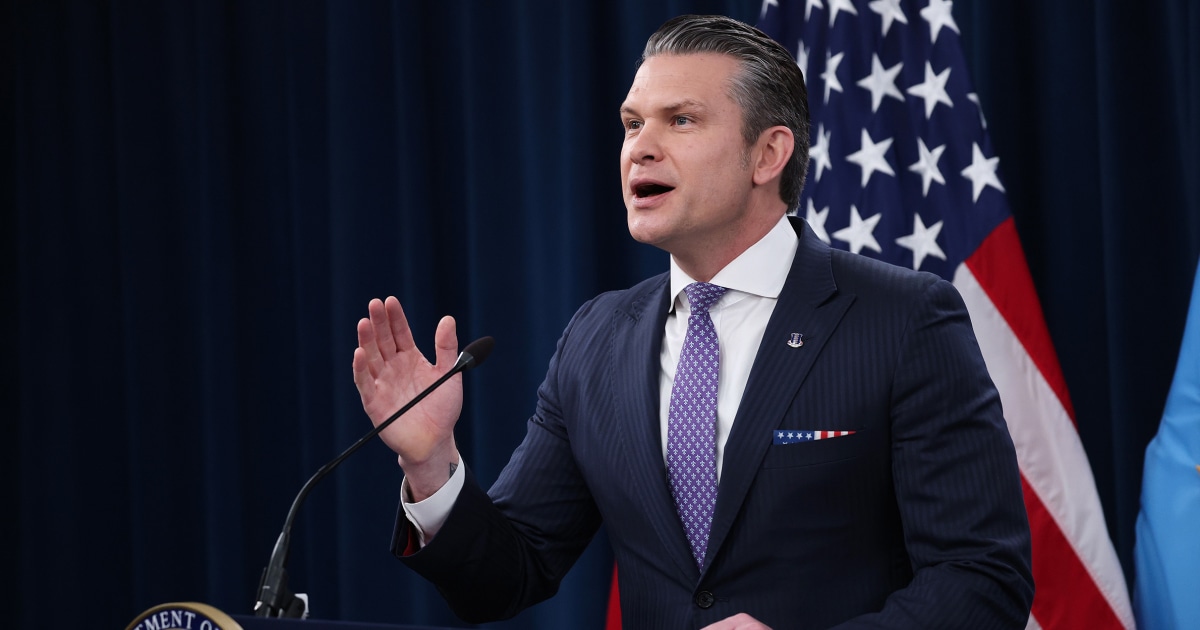
The prevailing sentiment is one of deep outrage and despair regarding Pete Hegseth's intervention in military promotions, with readers viewing his actions as a dangerous erosion of democratic institutions and professional meritocracy. Critics overwhelmingly characterize Hegseth as an unqualified, authoritarian figure driven by racist and sexist biases, accusing him of purging capable officers—particularly women and minorities—to install loyalists who would obey orders to suppress domestic dissent. This perceived corruption of the military leadership is seen not just as illegal or unethical, but as a deliberate step toward a totalitarian regime, drawing frequent comparisons to dystopian fiction like *The Handmaid's Tale* and historical fascist figures. This internal decay is directly linked by the commenters to the United States' strategic failures in the ongoing conflict with Iran, which is widely described as a self-inflicted disaster. While acknowledging tactical military dominance, the consensus is that the US is losing the war strategically due to unclear objectives, economic blowback, and the alienation of global allies. Readers argue that the administration's incompetence and reliance on brute force rather than sound strategy have emboldened adversaries, accelerated nuclear proliferation, and undermined the petrodollar, ultimately leading to a scenario where the US achieves no meaningful victory while suffering significant political and economic ruin.
Public Sentiment
The general sentiment surrounding the release of these images is one of overwhelming excitement and renewed enthusiasm for space exploration, with many readers celebrating the return of major milestones in the field. There is a palpable sense of joy and personal connection, as individuals express thrill at seeing such stunning visuals and even feel a profound emotional link to their own loved ones and homes visible from space. Beyond the immediate excitement, the opinions reflect a deep sense of awe and philosophical reflection on humanity's place in the universe. Readers are moved to contemplate the fragility and unity of Earth, drawing inspiration from Carl Sagan's famous "pale blue dot" perspective to recognize that all of human history and experience exists on this single, small speck suspended in a sunbeam.
r/news
Public Sentiment
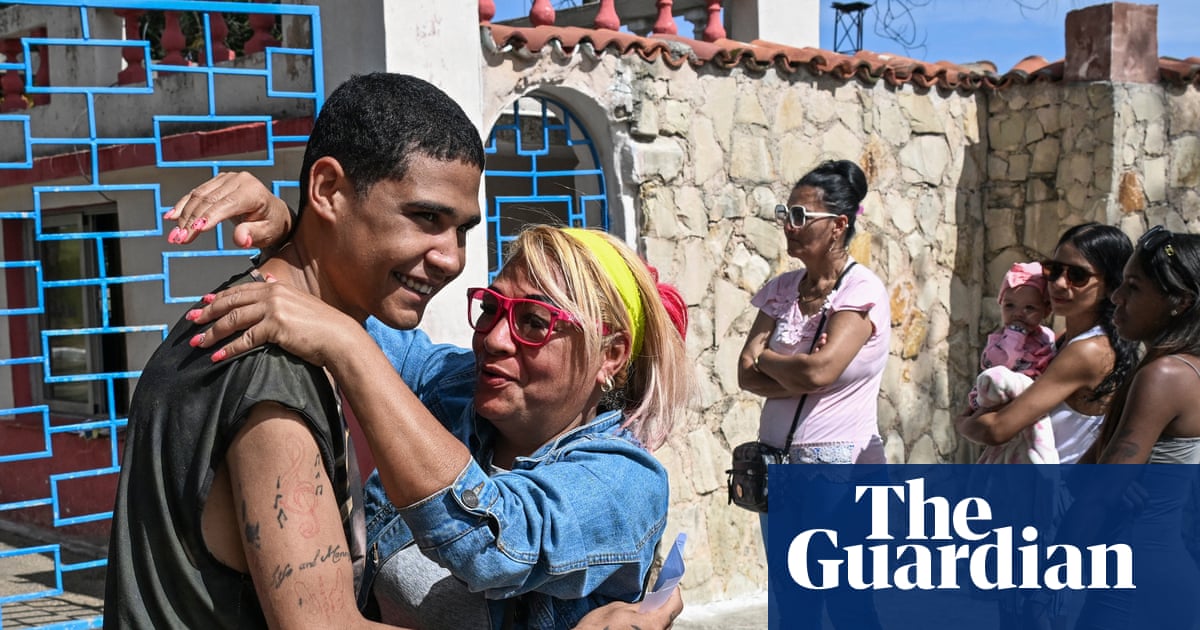
The general sentiment among readers is deeply skeptical and divided regarding the true motivations behind Cuba's prisoner release and the US's concurrent easing of the fuel blockade. While some observers view the event as a genuine humanitarian gesture tied to Holy Week and a sign of advancing diplomatic talks, a significant portion of the commentary interprets it as a calculated geopolitical maneuver. Critics argue that the US administration is strategically freeing individuals to cultivate a loyal private force or secure the release of their own agents, dismissing the official narrative of goodwill as a cover for ulterior motives. This distrust is further fueled by accusations that the US government lacks moral standing to advocate for human rights while allegedly engaging in its own human rights abuses abroad. The debate highlights a sharp contrast between those who see potential for positive change through these releases and those who believe the situation will deteriorate, with fears that the freed prisoners could become tools for foreign interference. Ultimately, the prevailing feeling is one of cynicism, where the official explanations are met with suspicion and the actions of both governments are viewed through a lens of realpolitik rather than humanitarian concern.
r/news
Public Sentiment
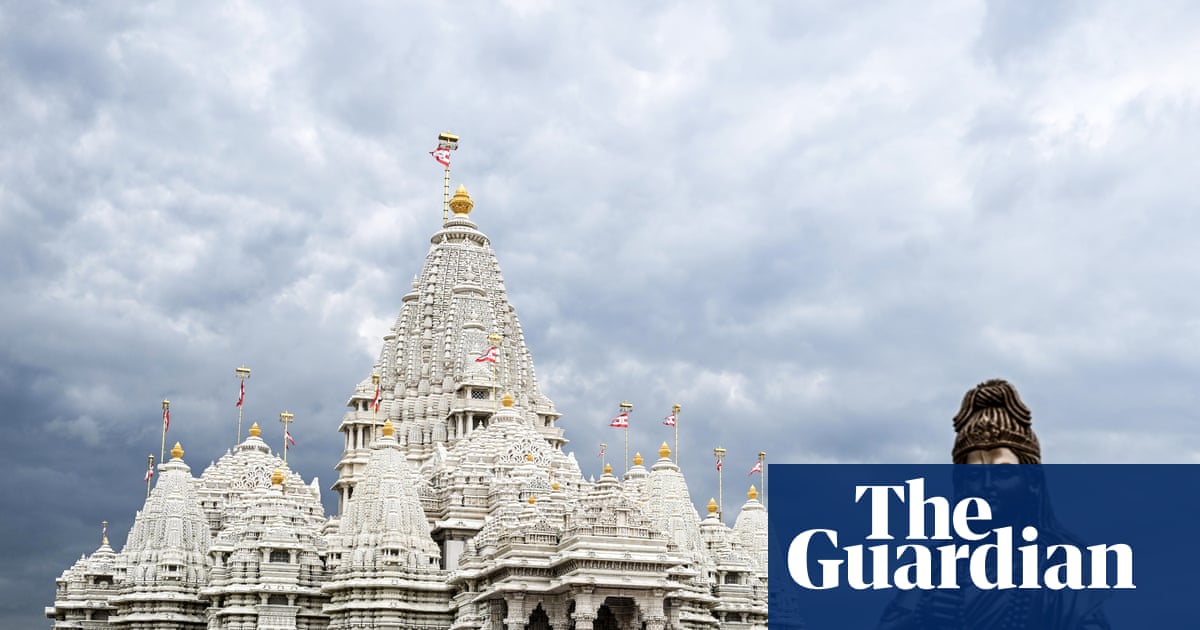
The prevailing sentiment among readers is one of outrage and deep concern regarding the exploitation of laborers and the preventable nature of their lung diseases. Many commenters criticize the toxic workplace culture where safety measures like masks are mocked, leading to a self-perpetuating cycle where responsible workers are ostracized. There is significant anger directed at the use of materials like quartz, which some compare to asbestos, with several noting that such substances are already banned in countries like Australia. This technical negligence is frequently intertwined with accusations of slave labor and the systemic oppression of Dalit workers, evoking a strong sense of injustice over the human cost behind the temple's construction. Interspersed with this criticism are reactions ranging from dark sarcasm to genuine appreciation of the temple's architecture, though the latter is often overshadowed by the grim reality of the workers' suffering. Some users resort to fatalistic or religious justifications, suggesting the tragedy was "God's will" or that reincarnation will help the victims, comments that are met with immediate backlash from others who find such remarks insensitive and sickening. While a few discuss the funding sources or the specific medical mechanisms of silica exposure, the dominant tone remains a condemnation of the conditions that allowed such a magnificent structure to be built at the expense of human health and dignity.
Public Sentiment
No comments available for analysis.
Public Sentiment
The prevailing sentiment among readers is one of deep skepticism and hostility toward the Trump administration's attempt to collect race-related data, which is widely viewed as a tool for discrimination rather than a legitimate administrative need. Many commenters interpret the request as a nefarious effort to facilitate lawsuits against white individuals or to undermine diversity, equity, and inclusion initiatives, with some explicitly labeling the administration as white supremacist. The demand for such data is frequently compared to historical atrocities, including the Holocaust and Nazi-era persecution, leading to strong emotional reactions and a sense of moral outrage regarding the government's motives. Furthermore, there is a strong undercurrent of defiance and personal resistance, with several individuals stating they refuse to provide racial information on any form, citing personal history and a belief that race is irrelevant or a social construct. The opinions also reflect a broader distrust of the Department of Education and the political party in power, characterized by accusations of authoritarianism and a disregard for civil liberties. Overall, the readership perceives the administration's actions as an overreach that threatens privacy and civil rights, prompting a unified stance of rejection and criticism.

r/news
Public Sentiment
Readers expressed confusion and criticism regarding the lack of specificity in the article's title, questioning whether the report referred to the Democratic Republic of the Congo or the Republic of the Congo. They noted that the Associated Press failed to distinguish between the two nations, which is a significant oversight given the context of the outbreak. The general sentiment was one of agreement that the news outlet should have been more precise in its reporting. Commenters collectively felt that clarifying the specific country involved was essential for accurate understanding, highlighting a shared frustration with the ambiguity presented in the headline.
r/news
Public Sentiment
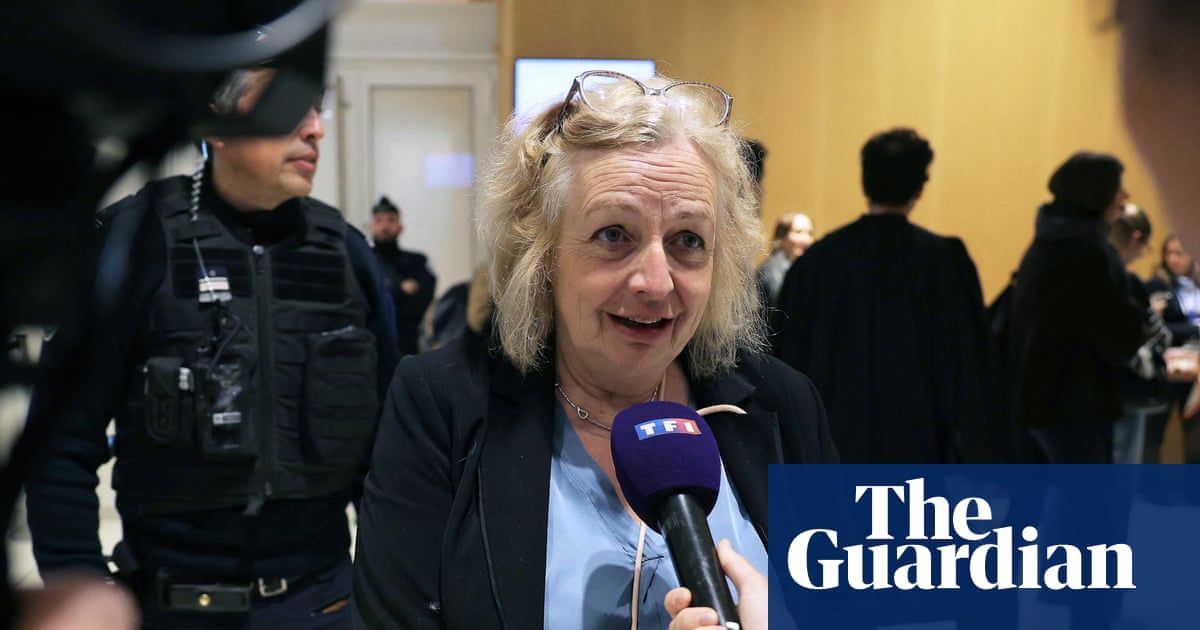
The general sentiment is a mix of cynical resignation and weary skepticism, with many readers viewing the trial as a confirmation of long-held suspicions that secretive, powerful networks inevitably succumb to corruption and self-interest. While some dismiss the event as a timeless human problem where power begets power, others express frustration at the resurgence of conspiracy theories, feeling that the specific involvement of police and intelligence agents validates fears of a "cult of assassins" operating within society's protective institutions. However, a significant portion of the discussion attempts to distinguish this specific, irregular lodge from mainstream Freemasonry, which many describe as a benign, albeit weird, philanthropic fraternal organization. Readers with personal connections to the order argue that these accused members are outliers or "irregulars" who exploit the cover of a legitimate "nerdy boys club" to commit crimes, while others warn that even the innocent lower levels inadvertently provide a shield for such corruption. Ultimately, the conversation oscillates between condemning the specific group as "scum" and defending the broader institution against the stigma of these heinous charges.
