Real-Time News Sentiment
Analysis of trending Reddit news — tracking public mood,
controversy, and key topics
1358 Stories Analyzed
80 Positive Sentiment
1167 Negative Sentiment

r/news
Public Sentiment
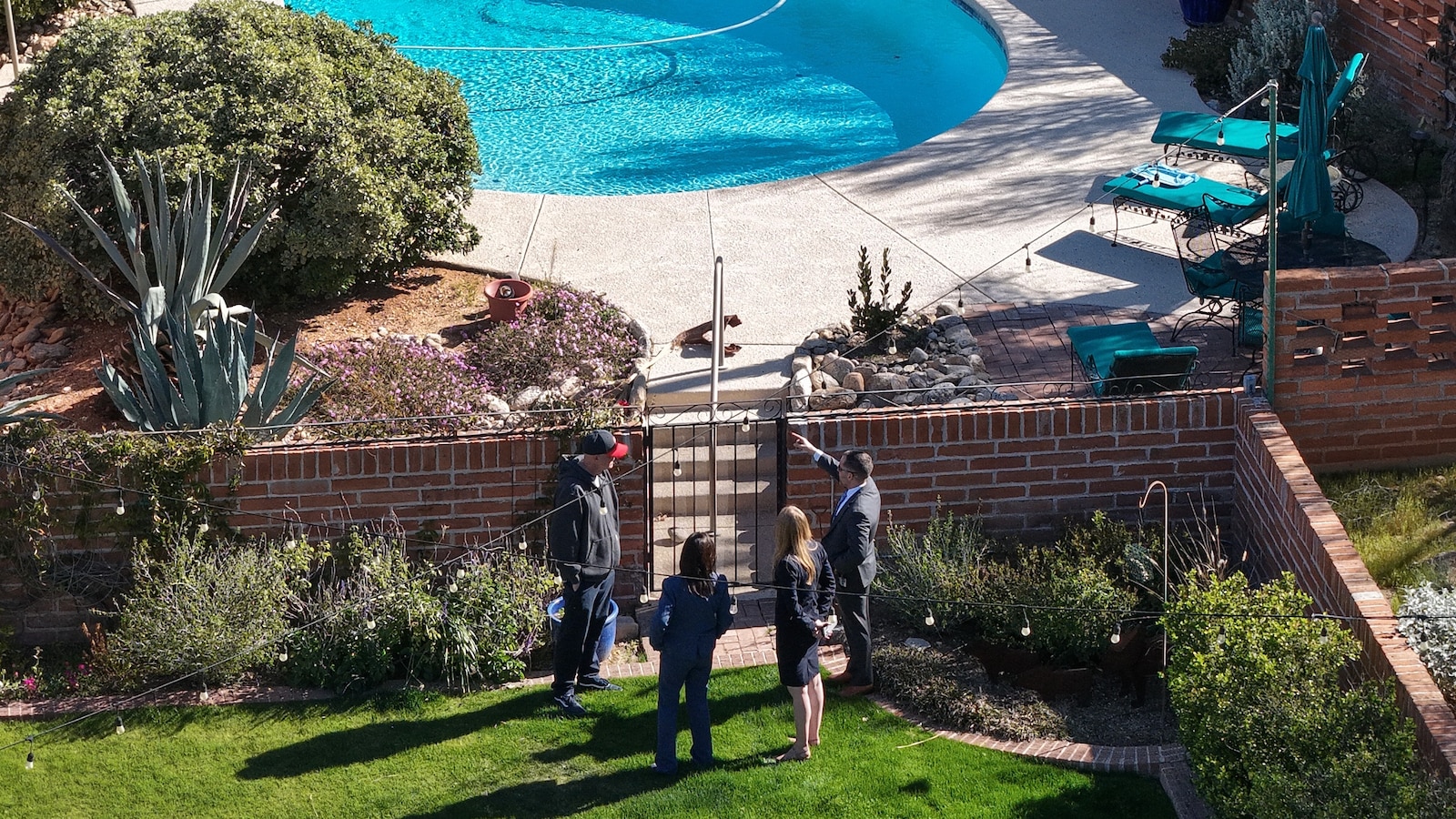
The general feeling is a mix of outrage over corporate impunity and distrust in the legal system, with many criticizing the ruling as absurd and biased, especially given the trial’s location in North Dakota, a pro-oil state. Comments highlight frustration that nonviolent protesters face massive financial penalties while corporations evade accountability, and skepticism about the jury’s decision, which some argue was influenced by pro-industry bias. There’s also widespread mockery of Greenpeace’s effectiveness, with critics dismissing their environmental efforts as performative or counterproductive, and calls to abolish the organization due to its controversial history. Simultaneously, anger toward systemic corruption and the influence of money in politics dominates, with references to Israel’s lobbying power and the “swamp” metaphor, reflecting deep cynicism about democracy and corporate dominance.
r/news
Public Sentiment
The general feeling is one of concern, frustration, and skepticism about the FBI's ability to resolve the case, with many readers doubting the agency's competence and resource allocation. Comments highlight the passage of time without progress, the lack of concrete updates, and the perceived ineptitude of law enforcement, while sarcastic remarks mock the situation and the FBI's effectiveness. A mix of anxiety about Nancy Guthrie's safety and criticism of the FBI's handling of the case dominate the sentiment, with some readers expressing hope that relocating the command post to Phoenix might aid the investigation, though others remain doubtful. The tone blends urgency, cynicism, and dark humor, reflecting a broader distrust in the agency's capabilities and the slow pace of resolution.
r/news
Public Sentiment
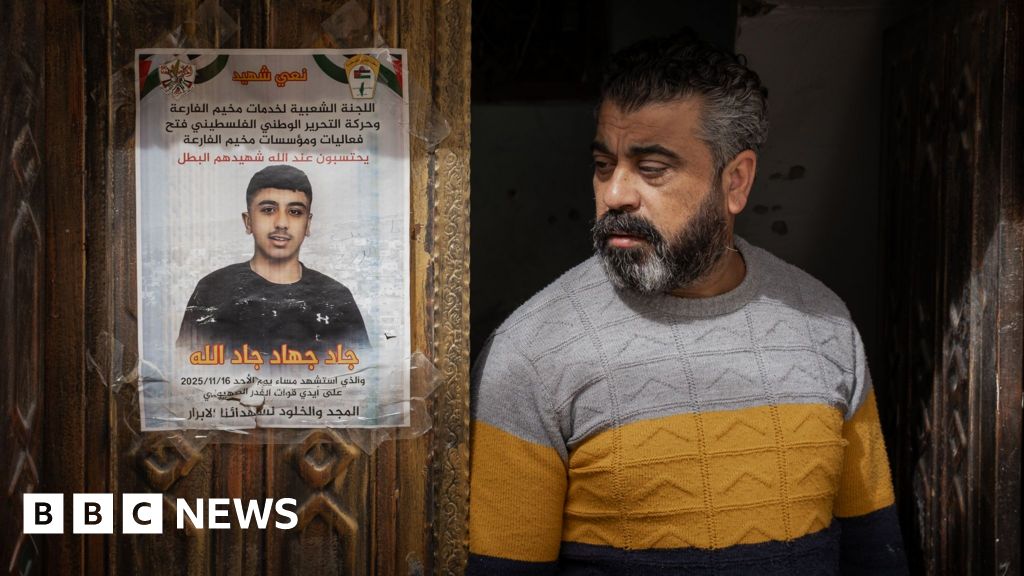
The comments reflect a mix of outrage and frustration over the video’s graphic depiction of violence, with many condemning the systemic nature of such incidents and drawing parallels to ICE’s tactics. Some argue that the Israeli military’s actions are standard practice, while others demand accountability, criticizing media complicity and the lack of consequences for perpetrators. A significant portion of the discourse centers on the broader geopolitical tensions, with accusations of anti-Semitism and calls for U.S. intervention, alongside frustration over the constant focus on Israel-Palestine in American discourse. A stark divide emerges between those who view the incident as a tragic but inevitable outcome of conflict and those who see it as a moral failing requiring global condemnation. Dismissive remarks often label critics as anti-Semitic or dismissive of the situation’s complexity, while others express disillusionment with Western institutions and capitalism, framing the violence as a product of systemic power imbalances. The tone oscillates between anger at perceived injustice and cynicism about the possibility of change, with some urging solidarity with Palestinians and others rejecting the narrative as a distraction from larger societal issues.

r/news
Public Sentiment
The general feeling is a mix of admiration for Jeff Galloway’s legacy as a running pioneer and the practical value of his books, which are praised for making running accessible to beginners. Many highlight his contributions to training methods, injury prevention, and inclusivity for older or overweight runners, while others appreciate his emphasis on walking during races. However, this is tempered by skepticism about the long-term health risks of excessive endurance training, with some linking his death to cardiovascular damage from years of intense running. The tone shifts between reverence for his achievements and cautionary remarks about the dangers of overtraining, with some comments dismissing the significance of his death or mocking the idea that it proves anything. A few sarcastic or dismissive remarks further underscore the divided perspectives, balancing respect for his impact with concerns about the physical toll of his lifelong dedication to running.
r/news
Public Sentiment
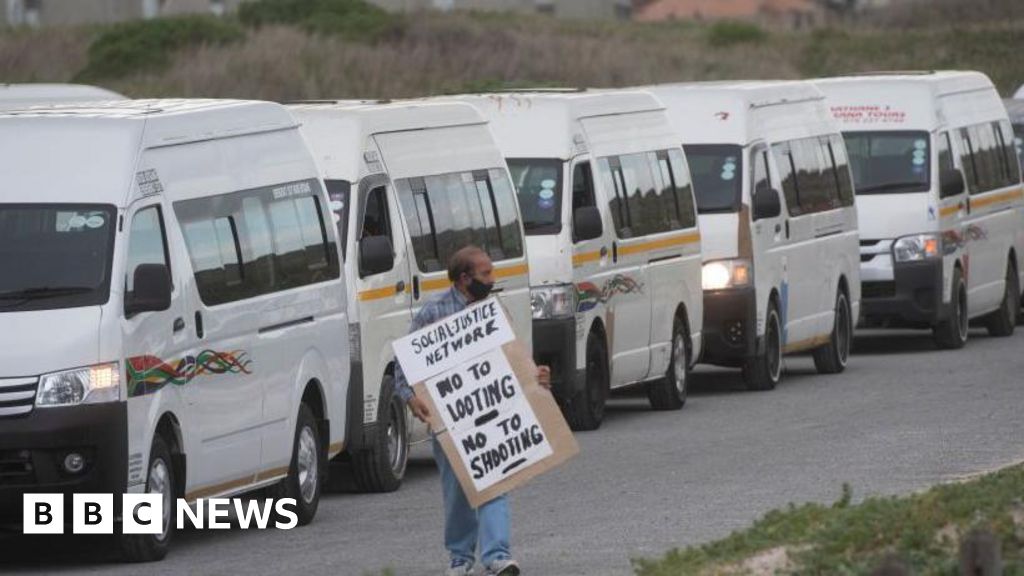
A sense of frustration and concern emerges as people grapple with the escalating violence in South Africa, particularly its spread to schools. The lack of clarity on the number of perpetrators and the existence of a specialized unit for taxi-related violence highlight a perceived gap between awareness and effective action, fueling doubts about the government’s ability to address the crisis. The sarcastic remark about the "Taxi Violence Investigations Unit" underscores a broader distrust in institutional responses, suggesting that the unit’s creation may be more symbolic than substantive. This reflects a growing impatience with bureaucratic measures that fail to curb the violence, leaving communities feeling vulnerable and disillusioned.

r/news
Public Sentiment
The general feeling is one of skepticism and frustration toward the World Economic Forum’s handling of the situation, with many viewing the co-chairs’ statements as dismissive or evasive. Critics argue the “independent review” lacks transparency, accusing the WEF of prioritizing corporate rhetoric over accountability, especially given the gravity of the Epstein scandal. The tone is dismissive of the organization’s claims of innocence, with some suggesting the WEF’s influence and wealth have shielded its members from scrutiny, while others express outrage at the lack of broader investigations into systemic issues. There’s also a sense of disillusionment with the WEF’s leadership, particularly Larry Fink, who is seen as complicit due to his ties to BlackRock and potential exposure to Epstein. Comments highlight a broader distrust of institutions, linking the WEF’s inaction to larger failures in holding power accountable. The mention of Prince Andrew’s arrest and the “system collapse” warning underscores a belief that the organization’s actions reflect deeper corruption, with many calling for more than just symbolic resignations.

r/news
Public Sentiment
Frustration and anger dominate the discourse, with many criticizing the lack of basic safety standards in childcare centers and the systemic underfunding that forces cuts in quality care. People blame capitalism for prioritizing profit over child welfare, citing low wages for workers and exploitative practices that lead to poor staffing and care. The emotional toll is evident, with parents feeling guilty for working and frustrated by the dehumanizing treatment of both children and caregivers, such as children being left to watch videos instead of receiving attention. The call for government intervention is strong, with demands for federal funding and oversight to ensure safety and fair wages. Concerns about economic collapse if childcare access dwindles are paired with fears of reinforcing gender inequality by pushing women out of the workforce. Many view the current system as unsustainable and incompatible with modern needs, arguing that without systemic support, both families and workers will suffer, highlighting a deepening crisis in childcare as a societal necessity.

r/news
Public Sentiment
No comments available for analysis.
r/news
Public Sentiment
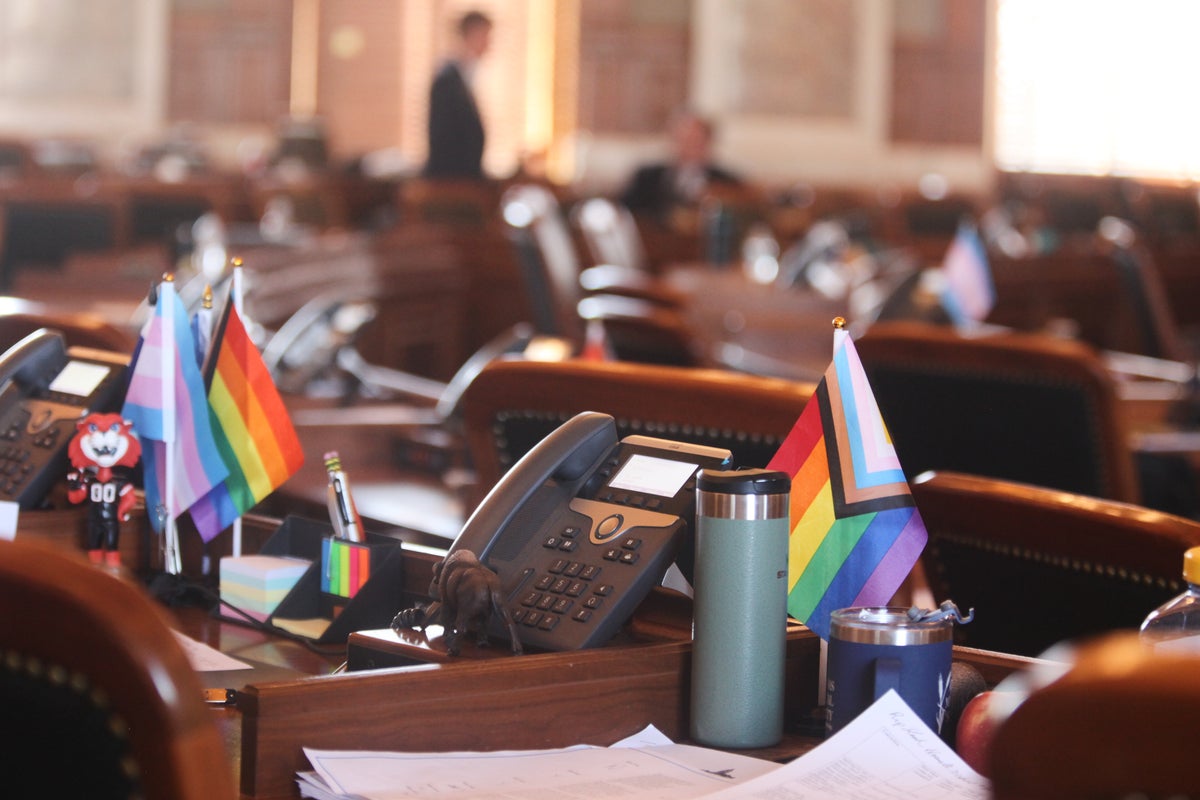
The general feeling is one of alarm and outrage over the discriminatory impact of Kansas’ birthright law, which strips trans individuals of legal recognition and access to essential services. People fear the law’s far-reaching consequences, from invalidating IDs for voting, healthcare, and travel to enabling harassment and violence through bathroom restrictions. Many view it as a calculated effort to suppress trans rights, weaponize legal systems, and enforce a culture of fear, with critics comparing it to poll taxes and civil rights violations. The frustration is compounded by the law’s impracticality, as trans people struggle to obtain new IDs and face systemic barriers to compliance. The second paragraph highlights the broader political and social tensions, with users condemning the law as a tool for targeting marginalized communities and advancing conservative agendas. There’s a mix of despair over the normalization of discrimination and determination to resist, including calls for voter engagement and legal challenges. The discussion also underscores the absurdity of enforcing bathroom laws and the potential for abuse, with many questioning the motives behind such policies and their impact on societal trust and safety.

r/news
Public Sentiment
The general feeling is a mix of indifference and frustration, with some dismissing the incident as trivial while others express outrage over prison safety failures. Comments like "I’ve got a brew to make" and jokes about shortbread fingers reflect a detached, almost mocking attitude toward the tragedy, while others condemn the attack as a failure of the prison system. A significant portion of the discussion centers on the inherent dangers of prisons, with debates over whether inmates should be locked down 24/7 or allowed limited freedoms, acknowledging the risks either way. Some argue that guards lack control over inmates, while others emphasize the inevitability of violence in such environments. Despite empathy for the victims, many grapple with the systemic flaws that make such attacks possible, highlighting a broader frustration with the justice system’s inability to ensure safety.

r/news
Public Sentiment
The general feeling revolves around a mix of skepticism toward ICE’s enforcement practices and debates over what constitutes a “criminal.” Many commenters argue that the man’s past offenses—like a DUI, drug possession, and an unregistered gun—are minor or outdated, questioning why he’s being targeted. Others highlight Canada’s strict laws on DUI and fake IDs, suggesting his situation is exaggerated. Racial undertones emerge as some imply his comments about ICE focusing on “criminals” reflect a biased view, equating “criminals” with marginalized groups. Humor and irony are common, with jokes about his charges and the absurdity of immigration policies. The second paragraph reflects frustration with the legal system’s harshness and the lack of nuance in criminal records. Commenters criticize how minor infractions, like traffic tickets or old charges, can unfairly bar someone from re-entering a country, while others defend strict border policies to prevent dangerous individuals. There’s also a critique of ICE’s detention practices, with some comparing his treatment to systemic overreach. The discussion underscores a broader tension between accountability for past mistakes and the fairness of lifelong legal consequences, alongside the politicization of immigration enforcement.
r/news
Public Sentiment
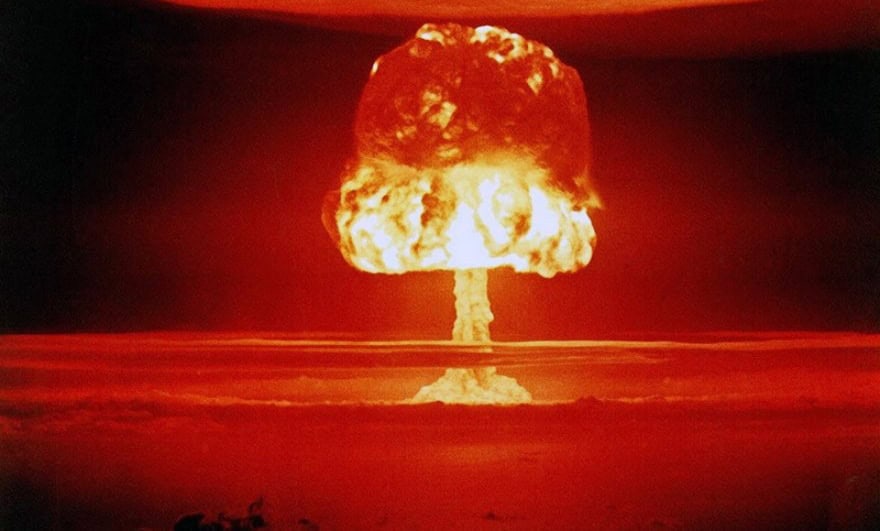
The general feeling is a mix of frustration with international inaction and a divided debate on nuclear deterrence. Many argue Ukraine should possess nuclear weapons as a deterrent, citing Russia’s violation of the Budapest Memorandum and the failure of treaties to protect sovereignty. Others dismiss nuclear proliferation as a flawed solution, warning that it escalates risks and destabilizes global security. Skepticism abounds about Russia’s motives, with some suggesting the information operation is a false flag to justify nuclear escalation or deflect from its own failures. The discussion reflects a deepening distrust in international agreements and a sense of helplessness amid geopolitical chaos. A second wave of sentiment emphasizes the futility of nuclear weapons in preventing conflict and the dangers of their proliferation. Critics highlight historical precedents where treaties collapsed, leading to aggression, and warn that more nuclear states increase the likelihood of miscalculation. Meanwhile, some advocate for a nuclear "umbrella" for Ukraine or a renewed memorandum, but these ideas are met with skepticism about the West’s commitment to such promises. The overall tone is one of resignation, with many acknowledging the grim reality of a world where power, not diplomacy, dictates survival.
