
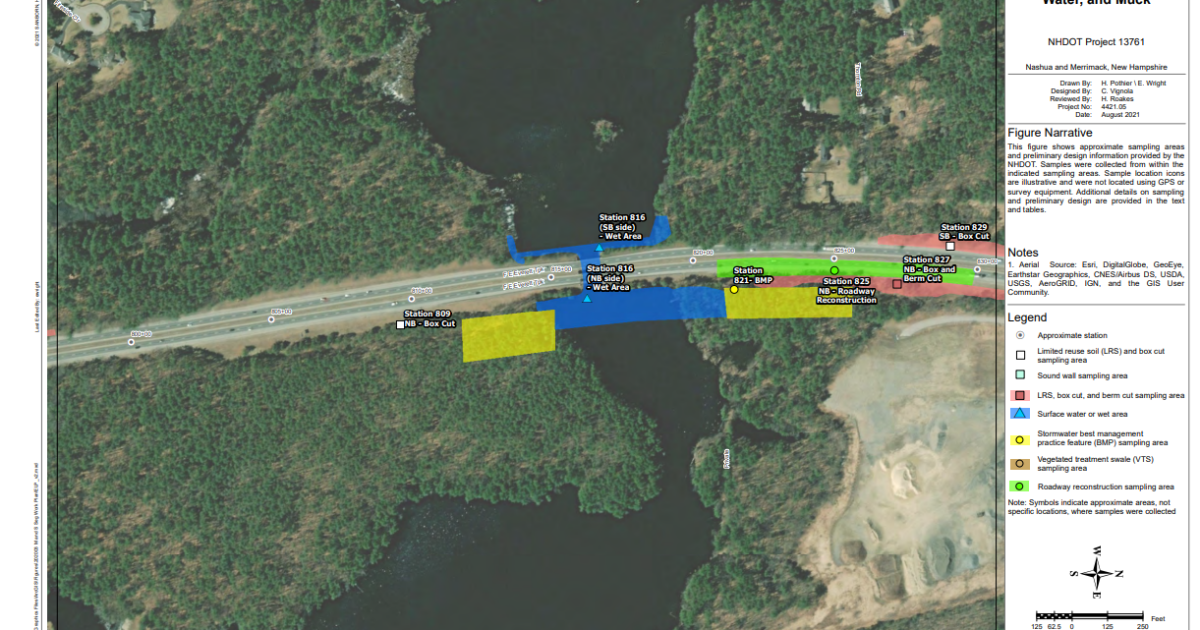
Proposed location for ICE facility in Merrimack sits within PFAS contamination zone
😐 neutral
Public Sentiment
No comments available for analysis.
Analysis of trending Reddit news — tracking public mood, controversy, and key topics
No comments available for analysis.

The general feeling is a mix of confusion, speculation, and dark humor, with many readers questioning the helicopter’s connection to the U.S. and speculating about potential conflicts or threats. Comments oscillate between paranoia about military presence, sarcastic remarks about the absurdity of the situation, and jokes about hotel tourists, while some confuse the helicopter with unrelated events like arson or a lizard. The tone shifts toward frustration and disbelief as discussions spiral into nonsensical claims, such as waffle-related disasters or bot-like behavior, with some readers mocking the lack of coherence. Underlying tensions about cartel activity and geopolitical tensions are briefly mentioned, but the overall mood remains chaotic, blending fear, irony, and a sense of absurdity.
The general sentiment is a mix of cautious optimism and deep skepticism. Many view the rapid deployment of small reactors as a promising step toward safe, scalable nuclear energy, emphasizing their inherent safety features, self-cooling capabilities, and potential to complement renewables. However, concerns loom over Trump’s involvement, with critics fearing deregulation, political corruption, and a risk of undermining public trust in nuclear energy. The debate often hinges on whether “quickly” can coexist with “safely,” and whether the administration’s push prioritizes innovation or short-term political gains. A significant portion of the discourse is polarized between those who see the technology as a viable green energy solution and others who dismiss it as a flawed, politically motivated gamble. Skeptics highlight historical failures, regulatory challenges, and the financial impracticality of nuclear power, while supporters argue for its necessity in combating climate change. The comments also reflect broader distrust in the administration’s competence, with some mocking the idea of “deregulation” as a cover for corporate interests or military overreach. Overall, the tone oscillates between hope for a nuclear renaissance and dread over potential missteps.
The overwhelming sentiment is one of outrage and condemnation toward the administration’s actions, with many viewing the deportation as a deliberate act of cruelty and a violation of international law, particularly the principle of non-refoulement. Comments frequently reference historical atrocities, equating the policy to Nazi-era persecution, and accuse the government of prioritizing political agendas over human rights. There is also deep frustration with the legal system’s complicity, as courts are seen as powerless to stop the administration’s disregard for rulings and treaties. A stark divide emerges between those blaming the asylum-seeker for her choices and those condemning the system’s systemic racism and cruelty. Some argue she should have stayed in Brazil, while others reject this as victim-blaming, emphasizing the administration’s role in perpetuating harm. Political polarization runs high, with accusations of Democratic and Republican complicity, and a sense of despair over the immigration system’s collapse into a tool of punishment rather than protection. The tone is one of moral outrage, with calls for accountability and justice, yet also a recognition of the broader failures in governance.

A mix of fear, uncertainty, and concern dominates the reactions, with many expressing anxiety about safety, travel plans, and the potential escalation of violence. Comments highlight personal ties to Puerto Vallarta, such as relatives staying there or planned trips, and emphasize the danger posed by ongoing unrest. References to past events like the Culiacanazo and warnings about the cartels’ brutality underscore a sense of dread, while some sarcastic remarks about the situation’s absurdity contrast with the gravity of the crisis. Humor and dark irony occasionally surface, but these are overshadowed by genuine worry for locals and travelers. The tension between real-time updates about violence and dismissive comments like “it’s a normal day in Mexico” reflects a polarized perspective, though most voices lean toward caution. Despite some lightheartedness, the overall sentiment is one of heightened alertness, with many urging prudence and solidarity amid the chaos.
The general feeling is one of fear, uncertainty, and concern over the escalating violence in Mexico, particularly in Jalisco and Puerto Vallarta, with many travelers canceling trips or avoiding the region due to reports of chaos, cartel retaliation, and potential threats to safety. People express anxiety about the instability, with some speculating that the situation could worsen, while others question the reliability of information and the role of foreign intervention, like U.S. military involvement, to address the crisis. There’s also a mix of frustration and resignation about the root causes of the cartel violence, including drug prohibition, U.S. policies that enable cartels, and the Mexican government’s inability to control corruption. While some hope the situation will stabilize, others acknowledge the risks and the complexity of the issue, with a sense of dread over the potential for further violence, hostage situations, or broader geopolitical tensions.
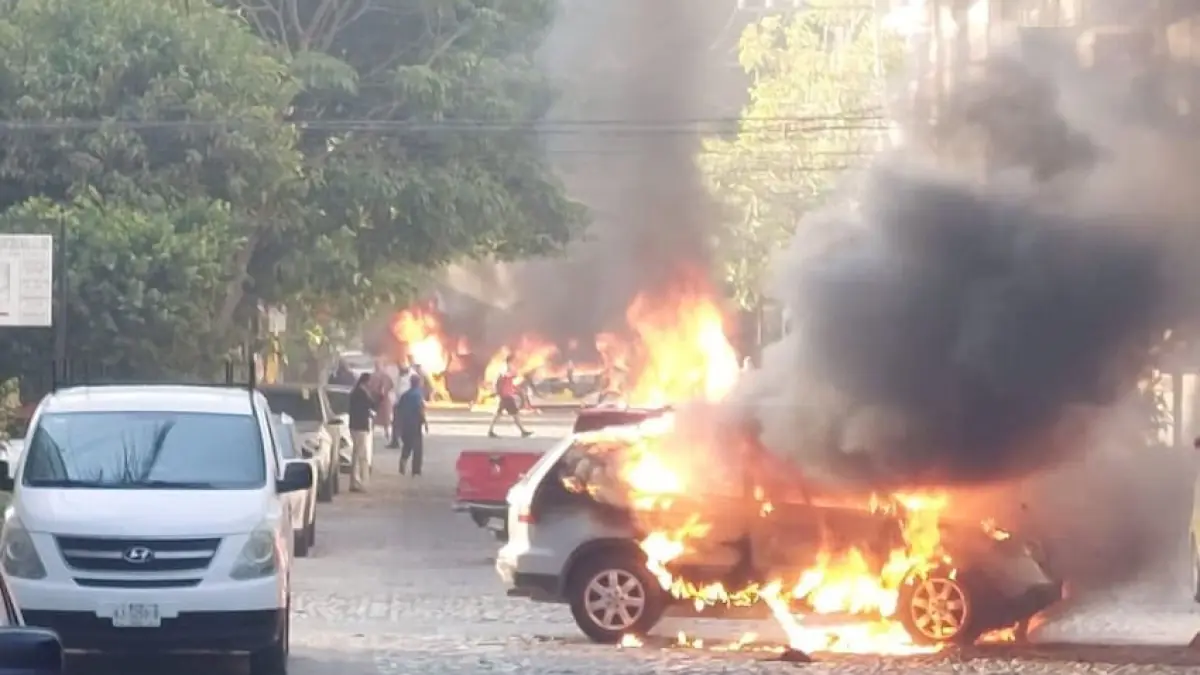
The general feeling is one of fear, frustration, and uncertainty as people grapple with the escalating violence and chaos in Jalisco. Many express concern over the military’s heavy-handed tactics, the burning of civilian vehicles, and the threat of civilian casualties, with some blaming Trump for exacerbating the situation. Others fear the cartels’ retaliation, citing past cycles of violence and the potential for Mexico to descend into a terror state. There’s a sense of dread about the instability, with some questioning the government’s ability to control the crisis and others warning of the risks of U.S. involvement. At the same time, there’s a mix of hope and anger, with some believing the operation marks a turning point in the fight against cartels, while others argue for more aggressive measures, like complete annihilation of criminal groups. The comments reflect a polarized view of the government’s role, with some praising the military’s actions and others criticizing the lack of transparency or the potential for collateral damage. Overall, the sentiment is tense, with many fearing the worst but also acknowledging the necessity of taking down the cartels, even as the situation spirals into unpredictable violence.
The general sentiment is a mix of relief and frustration, with many users appreciating TSA PreCheck’s convenience and cost-effectiveness for frequent travelers, despite its $120 fee. They argue it’s a worthwhile investment for time saved, avoiding security theater, and the benefits of credit card reimbursements. However, others criticize the program as a tool for the wealthy, highlighting its role in enabling security loopholes and the government’s apparent prioritization of corporate interests over public needs. Critics also express anger at the administration’s erratic decisions, blaming political maneuvering and lack of accountability for reversing policies that disrupt travelers’ lives. While some acknowledge the program’s value for frequent flyers, others argue it’s a regressive system that disproportionately benefits the affluent, with calls for transparency and reform. The debate underscores tensions between convenience, equity, and the perceived influence of corporate donors on policy.
The overwhelming sentiment is outrage and frustration over the legal system’s harsh treatment of the woman, with many calling the $100K settlement and 2-year sentence insufficient. Commenters argue the punishment is a miscarriage of justice, blaming prosecutors, judges, and the legal framework for failing to account for the woman’s circumstances, including her use of substances and the flawed application of a 1911 law. There’s a strong call for accountability, with some suggesting the legal system is complicit in systemic misogyny, particularly toward women facing pregnancy-related crises. The discussion extends to broader societal issues, with many linking the case to the dehumanization of women in medical and legal systems. Commenters highlight similar cases, like the braindead pregnant woman in Kentucky, to underscore a pattern of institutional cruelty and control over women’s bodies. The anger is amplified by critiques of conservative policies and the Christian right’s influence, framing the legal system as a tool of oppression rather than justice. The tone is deeply critical of societal norms and the failure to protect women’s rights, with calls for systemic reform and accountability.

The general feeling is a mix of exhilaration and debate over the game’s quality and rules. Many praised the intense, fast-paced match as one of the best ever, highlighting standout performances and the golden goal’s drama, while others criticized the 3v3 format as artificial and disruptive to the flow. Despite disagreements on officiating and rule changes, the majority celebrated the competition’s excitement and the teams’ skill, with some expressing pride in their nations’ achievements. Political undertones and nationalistic pride also emerged, with comments blending sports enthusiasm with critiques of leadership and geopolitical tensions. While some mocked the "fascist regime" rhetoric, others defended their country’s athletes, creating a polarized yet passionate atmosphere. Overall, the sentiment leans toward admiration for the game’s spectacle, tempered by frustration over rule changes and a touch of rivalry, all framed within a shared love for hockey.
The general feeling is polarized, with strong skepticism and conspiracy theories clashing against claims of factual evidence. Many dismiss the event as a staged attempt to distract from other controversies, citing Trump’s absence and the sheriff’s involvement, while others argue it’s a real attack, emphasizing the man’s actions and the lack of proof for conspiracy claims. Conversely, some accuse the administration of lying, referencing past cover-ups like the Epstein files, while others downplay the conspiracy angle, pointing to video evidence and the sheriff’s credibility. The debate also highlights distrust in Trump’s narrative and the media, with accusations of bias and misinformation on both sides.

The general feeling is a mix of confusion and frustration over the article’s lack of specific details, such as the exact high school involved, leading to debates about location accuracy. Many commenters express anger over the legal terminology used (child molestation, improper contact) versus public perceptions of the crime as rape, with some accusing media of downplaying female perpetrators. There’s also tension around gender double standards, with critics arguing that female teachers are often overlooked or dismissed, while others insist justice should not depend on the victim’s or perpetrator’s gender. The discussion highlights a strong demand for accountability, with many calling for severe punishment regardless of the teacher’s gender or appearance. However, some comments reveal dismissive attitudes, such as mocking the idea of probation or downplaying the victim’s trauma. Others express outrage at societal silence on female pedophiles and skepticism about the victim’s experience, reflecting polarized views on how such cases are perceived and addressed.