Real-Time News Sentiment
Analysis of trending Reddit news — tracking public mood,
controversy, and key topics
1358 Stories Analyzed
80 Positive Sentiment
1167 Negative Sentiment

r/news
Public Sentiment
The general sentiment regarding Quebec's new law is deeply divided, with a significant portion of commenters expressing strong opposition to the breadth of the restrictions, particularly the ban on prayer rooms in educational institutions and the prohibition of religious symbols for parents and staff. Many argue that while street prayers causing public obstruction or noise are legitimate concerns that should be addressed through specific ordinances rather than blanket bans, eliminating designated spaces for quiet reflection in universities and CEGEPs is excessive and disproportionately impacts religious minorities. Critics, including atheists and agnostics, view the legislation as an overreach that makes daily life unreasonably difficult for observant individuals, drawing parallels to the hardships faced during the pandemic, and question the consistency of the law given that Christian chapels often remain permitted. Conversely, a distinct group supports the legislation as a necessary reinforcement of Quebec's strict secularism, arguing that religion is a private matter that should not be accommodated within publicly funded institutions or social services. These supporters believe that allowing religious indicators or dedicated prayer spaces grants undue influence to faith in the public sphere and that the law correctly extends the historical separation of church and state to modern contexts. While some acknowledge the law's potential to inconvenience specific groups, they maintain that the principle of keeping public institutions entirely free from religious connections justifies the measures, viewing the ban on street prayers and religious garb as essential to preventing the imposition of religious practices on the general public.

r/news
Public Sentiment
The general sentiment is a mix of amusement, skepticism, and playful conspiracy theorizing driven by the article's misleading headline. Many readers initially misinterpreted the phrase "critical engine burn" and the focus on a single astronaut as evidence of a catastrophic failure or a dark sci-fi plot where Jeremy Hansen abandoned, ejected, or even consumed his crewmates to reach the moon alone. This confusion sparked a wave of humorous references to pop culture, including *The Martian*, *Kerbal Space Program*, and *To Catch a Predator*, with users joking about the crew being "ejection mass" or the mission being a survival horror scenario. Underneath the jokes, there is a distinct undercurrent of criticism regarding Canadian media bias, with users noting that the headline highlights Hansen simply because he is the only Canadian on the Artemis II crew, while US media often relegates him to a token role. While some defend the focus as a patriotic choice by a Canadian outlet, others mock the perceived trivialization of the other three astronauts and the sensationalist writing style that implies a disaster where none exists. Ultimately, the comments reflect a community engaging in collective irony, using the headline's ambiguity to craft elaborate, fictional narratives about betrayal and survival in space.
Public Sentiment
The prevailing sentiment is one of deep anxiety and cynicism regarding the stability of NATO and the reliability of the United States as an ally, driven largely by fears of Donald Trump's potential actions. Readers express a strong belief that Trump views alliances as transactional tools rather than mutual defense pacts, with many arguing that his rhetoric and potential withdrawal threats are effectively validating Russian disinformation narratives. There is a widespread consensus that while legal mechanisms like Senate approval and Article 13 of the NATO treaty exist to prevent a sudden exit, the real danger lies in a "de facto" withdrawal where the US simply refuses to honor commitments, thereby destroying the trust that underpins the alliance. This perceived betrayal is seen as a catastrophic failure of American leadership that will force Europe to accelerate its own defense independence, leaving the US isolated and its global reputation in ruins. Beyond the geopolitical concerns, the opinions reflect a profound sense of despair and anger directed at the American political system and its electorate. Many commenters, particularly those from outside the US, express frustration that American institutions, including Congress and the media, have failed to check Trump's power, viewing the situation as a descent into authoritarianism or feudalism fueled by corruption and a polarized populace. There is a recurring theme of blame directed at American voters for their apathy or support of Trump, with some expressing a lack of sympathy for the consequences the US faces, viewing them as self-inflicted. The overall tone is one of helplessness, with observers feeling that the "checks and balances" are broken, the media is captured, and the only remaining hope lies in external pressure or the eventual collapse of the current political order.
r/news
Public Sentiment
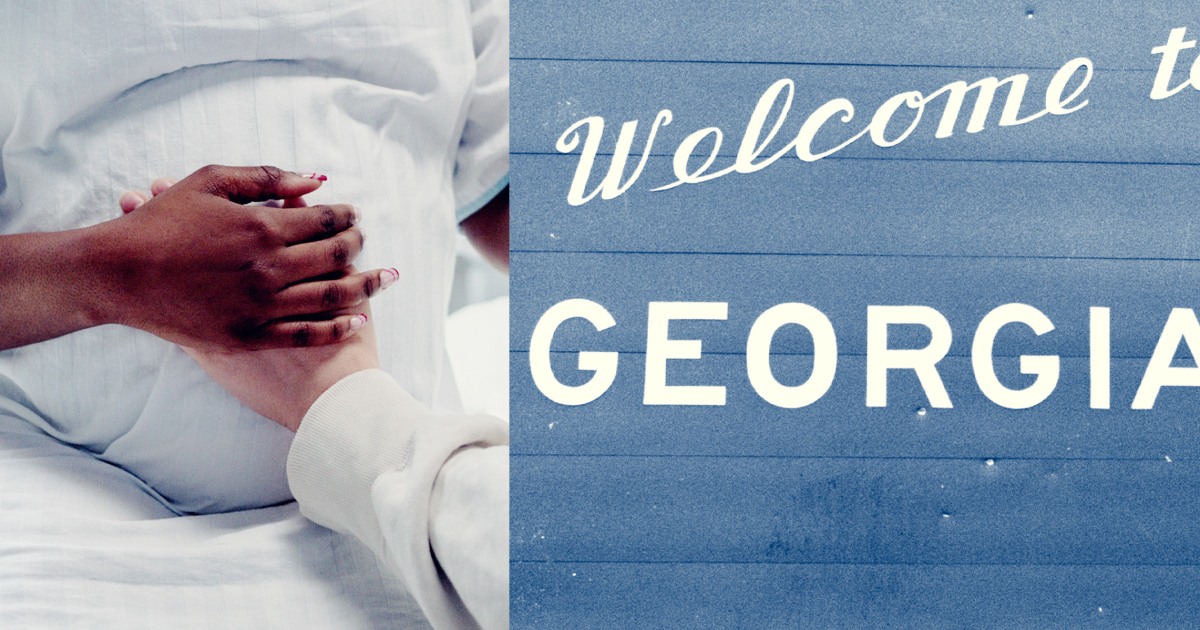
The prevailing sentiment among readers is a deep concern that Georgia's ban on independent midwifery practice will exacerbate existing maternal care deserts, particularly in rural areas where hospitals and obstetricians are already scarce or non-existent. Many commenters argue that the legislation forces a false choice between "subpar" independent midwifery care and no medical supervision at all, potentially leading to increased maternal and infant mortality rates. While there is strong agreement that physician backup is crucial for handling life-threatening emergencies like hemorrhages or the need for C-sections, a significant portion of the discussion highlights that the alternative to independent midwives in these regions is often unassisted home births or dangerous delays in reaching distant hospitals, rather than immediate access to an OB/GYN. Criticism is heavily directed at the state's failure to address the root causes of the provider shortage, such as rural hospital closures and restrictive abortion laws that have driven doctors away, with many viewing the ban as a political move that disproportionately harms low-income and minority communities. Although some readers support the requirement for physician supervision to ensure safety standards, they express frustration that the state is removing a vital safety net without providing a viable replacement or funding for universal healthcare. The conversation frequently touches on the economic realities of the US healthcare system, noting that even with EMTALA protections, the lack of local facilities and the high cost of care leave many women with no practical options, making the removal of midwives a dangerous reduction in access rather than a genuine improvement in patient safety.

r/news
Public Sentiment
The general sentiment among readers is deeply skeptical of the US government's role in the situation, with many viewing the pressure on Cuba as hypocritical given America's own human rights record and alleged war crimes in places like Iran. While some users debate the exact number of political prisoners released, a dominant theme is the criticism of US foreign policy, particularly the long-standing blockade and the belief that both major US political parties are complicit in harming Cuba and other nations for capitalist interests. There is a strong undercurrent of frustration regarding the US election system and the influence of money in politics, with many arguing that the average American is either ignorant of these issues or powerless to change the status quo due to systemic corruption. Conversely, there is significant cynicism directed at the Cuban government's motives, with some commenters suggesting the pardons are a pragmatic move to reduce prison overcrowding caused by power outages and economic collapse rather than a genuine humanitarian gesture. The discussion frequently devolves into a broader condemnation of American society, with some users blaming the general populace for their ignorance and complicity in supporting policies that cause global suffering, while others defend the majority of Americans as victims of a rigged system and propaganda. Ultimately, the conversation reflects a polarized view where the US is seen as an aggressor driven by violence and money, while the Cuban government is viewed with a mix of criticism for its authoritarianism and sympathy for its struggle against external sanctions.
r/news
Public Sentiment
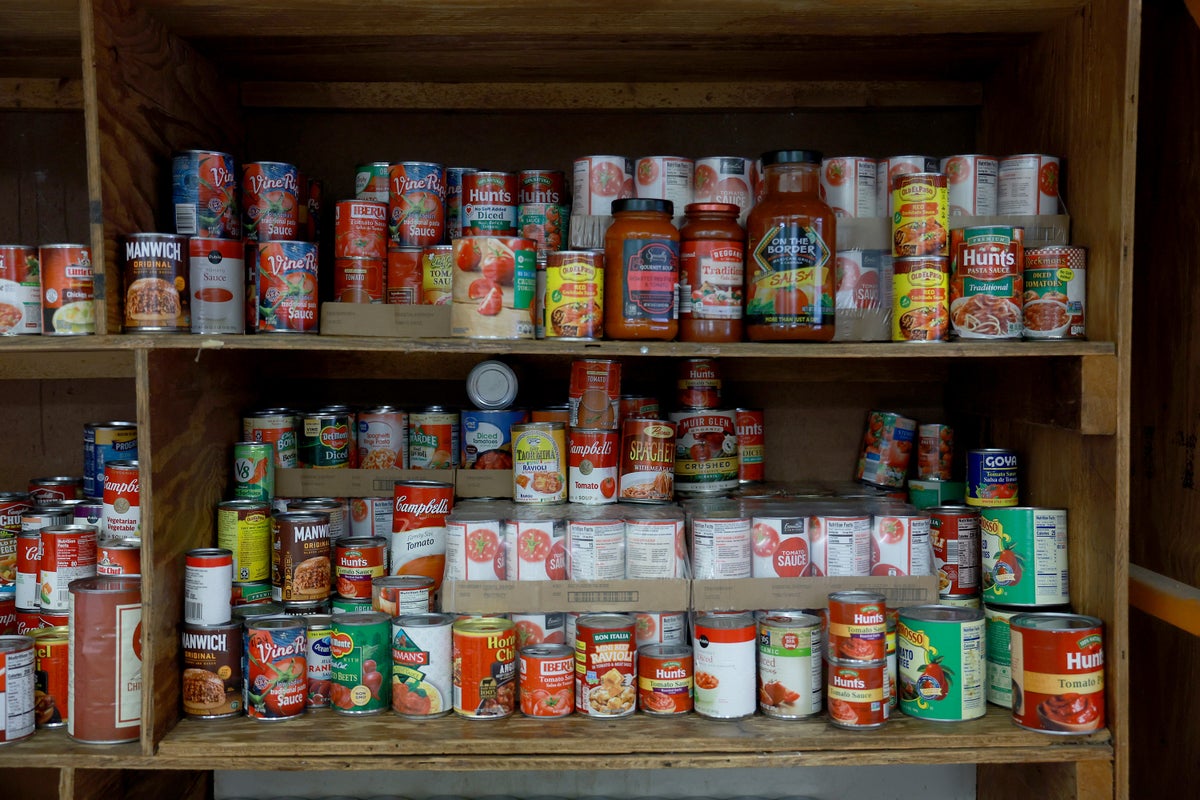
The prevailing sentiment is one of deep despair and anger regarding the abrupt collapse of Midwest food pantries, which readers attribute directly to federal funding cuts, the cancellation of agricultural contracts, and a political administration prioritizing war spending and corporate interests over human survival. There is a widespread belief that the government has intentionally dismantled the safety net, leaving vulnerable populations, including farmers and the working poor, to face starvation while ultra-wealthy figures and religious institutions are criticized for their perceived inaction or hypocrisy. Many commenters express a grim fear that this engineered scarcity will lead to civil unrest, viewing the situation as a deliberate strategy to force people into the military or simply grind the poor down to benefit the elite. Simultaneously, the discussion is marked by a sharp polarization regarding political accountability, with many expressing a hardened lack of empathy for voters who repeatedly supported the policies causing this crisis, viewing their continued allegiance as willful ignorance or complicity. Despite this bitterness, there is a powerful undercurrent of gratitude and admiration for the volunteers and local mutual aid groups stepping in to fill the void, with personal testimonies highlighting the dignity and community these pantries provide. The overall mood oscillates between a cynical resignation that the system is broken beyond repair and a desperate, urgent call for grassroots mobilization to feed families before the situation devolves into total anarchy.
Public Sentiment
The prevailing sentiment is one of deep anxiety, exhaustion, and anger regarding a deteriorating economy that many feel is being actively sabotaged by political leadership and corporate greed. Readers express a profound sense of betrayal, characterizing the current situation not as a natural economic cycle but as a deliberate "death spiral" driven by erratic policies, mass layoffs in government and tech, and a broken job market where even experienced professionals cannot find work. There is a widespread belief that the "trickle-down" promise is a lie, with wealth concentrating at the top while ordinary citizens face stagflation, unaffordable living costs, and a crushing national debt that limits future recovery options. Personal stories of financial ruin, including cashing out retirement funds, accepting pay cuts, and enduring months of fruitless job hunting, underscore a collective feeling of hopelessness and fear for the future. Many commenters feel the system is rigged against them, viewing the lack of hiring as a result of corporate hoarding and political instability rather than market forces, leading to a cynical outlook where "historic crisis" has become the new normal. While some cling to the hope that a change in administration might stop the bleeding, the dominant mood is one of resignation and frustration, with many feeling that the economic damage is so severe that recovery seems impossible without a fundamental overhaul of the political and economic systems.

r/news
Public Sentiment
The overwhelming sentiment is one of anger, despair, and a sense of impending economic catastrophe, with readers directly blaming Donald Trump and his administration for triggering a global oil crisis that has driven prices to historic highs. Users from the US, Canada, Europe, and Asia share personal anecdotes of skyrocketing fuel costs, expressing frustration that political decisions and a perceived "pointless war" have led to a recession-level shock that threatens to outpace the 2008 financial crisis. There is a pervasive feeling of betrayal and helplessness, as many believe the administration is either maliciously indifferent to the suffering of ordinary citizens or dangerously incompetent, with some even resorting to dark humor and hyperbolic comparisons to cult leaders or historical villains to describe the situation. Beyond the economic panic, the opinions reveal a deep cultural and political polarization, characterized by intense criticism of Trump's supporters who are described as engaging in "mental gymnastics" to defend a leader they view as a threat to democracy and global stability. While some commenters express cynicism about the rationality of the markets and the inevitability of a global recession, others voice a grim resignation that Americans may not learn from this crisis until it is too late, with a recurring theme that the nation's insulation from global consequences has allowed this "incompetence" to flourish. The discourse is saturated with a mix of sarcasm, outrage, and a desperate hope that the severity of the situation might finally force a reckoning, even as many fear the political machinery will simply double down on the policies causing the chaos.
Public Sentiment
The overwhelming sentiment is one of deep alarm and cynicism, viewing the dismissal of General George as a dangerous purge of competent leadership to install loyal "yes men" who will facilitate reckless military escalation. Readers interpret the firing not as a routine personnel change but as a strategic move to remove obstacles to a potential ground invasion of Iran or other aggressive actions that experienced generals deemed unwise or illegal. There is widespread outrage at the replacement of seasoned four-star leadership with a former Fox News host and low-ranking reservist, with many characterizing the new administration's approach as a chaotic, Stalinist-style purge driven by personal loyalty, religious extremism, and a complete disregard for military expertise or ethical constraints. Beyond the immediate personnel shakeup, the comments reflect a profound sense of national decline and fear that the country is being led into a "meat grinder" by an incompetent and morally bankrupt leadership team. The discussion frequently highlights the perceived hypocrisy and corruption of the administration, citing blocked promotions for women and minorities, the reinstatement of soldiers involved in a scandalous helicopter incident, and the appointment of individuals with serious ethical allegations. Ultimately, the tone is one of despair and resignation, with many believing that the removal of dissenting voices signals an imminent, catastrophic war that will result in unnecessary American casualties and global suffering, all while the public remains divided or willfully ignorant of the unfolding crisis.
r/news
Public Sentiment
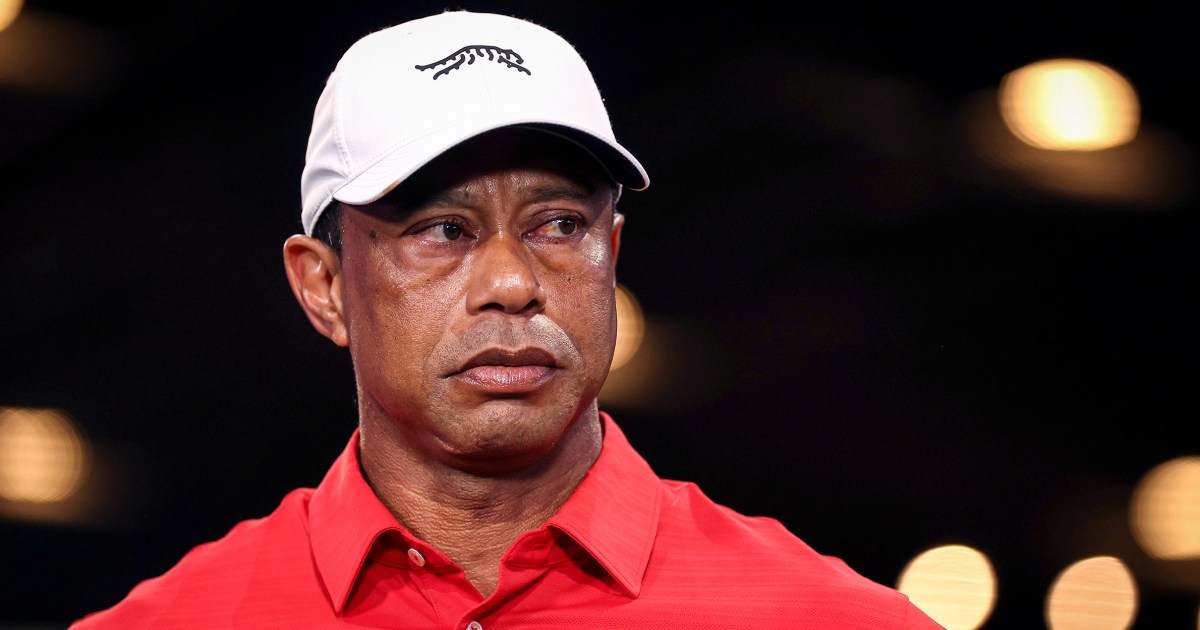
The prevailing sentiment among readers is one of deep cynicism and frustration regarding the perceived double standards afforded to the wealthy, with many viewing the judge's approval as a clear example of "different rules for the rich." A significant portion of the comments express anger that Tiger Woods can avoid the public scrutiny and potential jail time that ordinary citizens face for similar offenses, characterizing the move to seek treatment abroad as a luxury vacation or a way to escape accountability rather than a genuine medical necessity. This resentment is compounded by references to his history of high-speed crashes and the belief that his immense fortune allows him to bypass the harsh consequences that would befall a regular person, leading to accusations that the legal system is bought and paid for. However, amidst the criticism, there is a nuanced undercurrent acknowledging the practical challenges of celebrity rehabilitation, with some users arguing that intense media scrutiny could genuinely hinder his recovery. While many insist that treatment should not replace punishment and that he deserves fines proportional to his wealth or even jail time, a minority suggests that allowing him to seek help in a private setting is a reasonable compromise to address his substance abuse issues. Ultimately, the discussion oscillates between a desire for strict punitive justice and a reluctant acceptance that his specific circumstances might require a different approach, though the dominant feeling remains that the system unfairly insulates the famous from the shame and consequences that define justice for everyone else.

r/news
Public Sentiment
The general sentiment expressed in these opinions is one of deep skepticism, sarcasm, and alarm regarding the CDC's decision to pause lab testing. Readers interpret the move as a sign of institutional decline, contrasting the agency's former prestige with its current perceived incompetence or political motivation. There is a strong undercurrent of distrust, with some attributing the pause to ideological agendas while others fear it signals a catastrophic loss of public health safety standards. Furthermore, the reactions are heavily laced with dark humor and cynicism, mocking the potential consequences of the pause through absurd jokes about rabies and disease outbreaks. This levity masks a serious underlying anxiety that the situation could spiral out of control, with comparisons to past pandemics suggesting a fear that the CDC is actively enabling a new health crisis. Overall, the tone reflects a public that feels abandoned by a once-respected authority figure now viewed with suspicion and ridicule.
r/news
Public Sentiment
The prevailing sentiment is one of deep anxiety and pessimism, with many readers fearing that soaring oil prices will trigger a new financial crisis, massive political unrest, and a further erosion of affordability for everyday goods. There is a strong sense that the economy is already in a slow, grinding decline, and this spike in energy costs is viewed as a devastating blow that will make life significantly harder for ordinary people without any relief in sight. Alongside this economic dread, there is intense frustration and anger directed at political leadership, particularly regarding perceived incompetence and the role of war in driving these prices. While some observers note technical market details or historical parallels to the 2008 recession, the dominant tone is cynical and darkly humorous, with comments mocking the destruction caused by conflict and expressing a grim resignation that the situation is being worsened by deliberate, senseless actions.
