Real-Time News Sentiment
Analysis of trending Reddit news — tracking public mood,
controversy, and key topics
1358 Stories Analyzed
80 Positive Sentiment
1167 Negative Sentiment
r/news
Public Sentiment
The general feeling is one of distrust and confusion, with users questioning the bank's integrity and the depth of the scandal. Comments like "the most shadiest bank in Europe" and references to past raids suggest ongoing skepticism about the institution's role in corruption. The mention of systemic collapse if everyone were arrested highlights frustration with the complexity of the situation and its potential fallout. There’s also a mix of skepticism and cynicism about the scandal’s significance, with some dismissing it as overblown or politically motivated. The debate over the title’s clarity and the repeated association with Epstein reflect a sense of fatigue with the narrative, while hints about Trump’s ties to the bank add layers of political intrigue and doubt about the motives behind the story.

r/news
Public Sentiment
The general feeling is one of amusement and fascination, with many viewers comparing the situation to a movie scene, particularly Jackie Chan-style action-comedy. Comments about it being a "comedy film" or a "fantastic movie" highlight the entertainment value, while the demand for a video suggests excitement over the visual spectacle. There’s also a mix of curiosity and familiarity, as some note the tactic isn’t new and reference similar scenes in films, indicating a blend of intrigue and recognition of the police’s creative approach. The tone remains lighthearted, with people engaging in playful speculation about the event’s authenticity and its cinematic appeal.

r/news
Public Sentiment
The general feeling is one of frustration and disillusionment with the U.S. justice system, perceived as complicit in shielding elites from accountability. Many argue that the system is controlled by those implicated in the Epstein files, leading to inaction despite overwhelming evidence. There’s widespread anger at the silence of political figures, especially Democrats, who are accused of prioritizing power over justice. Critics blame structural failures, like an unyielding Constitution and corporate influence, for stagnation, while some suggest the left’s focus on material issues is misguided. The call for systemic reform, including constitutional amendments and grassroots engagement, is frequent, but skepticism lingers about the feasibility of such changes. In contrast, Europe is seen as taking decisive action, though some question its depth. The contrast highlights a perceived divide between the U.S. and Europe in addressing corruption and power imbalances. However, there’s also frustration with the lack of political will in the U.S., attributed to short-sighted voters and media manipulation. While some hope for change through figures like AOC, others remain cynical, fearing a cycle of corruption and eventual collapse. The overall sentiment blends outrage at systemic failure with a resigned acknowledgment of entrenched power structures.
Public Sentiment
Confusion and bewilderment dominate the reactions, with many struggling to grasp the headline’s meaning and the reasons behind the smelter closure. Readers question the connection between tariffs and the shutdown, highlighting the role of energy costs as a critical factor. Concerns about the delayed new smelter and rising aluminum prices are noted, alongside the impact of data centers on energy competition. The second person’s frustration underscores a lack of clarity, particularly around the term “shuts,” reflecting broader confusion about the article’s message. While some grasp the economic implications of power costs and tariffs, others remain puzzled, emphasizing the need for clearer explanations of the situation’s complexities.
r/news
Public Sentiment
The general feeling is one of outrage and concern over the alleged severe mistreatment of Palestinian journalists, with many expressing shock at the consistent reports of torture, sexual violence, and systemic abuse by Israeli authorities. Readers are drawn to specific cases, such as the sexual assault claims on the Gaza-bound flotilla and the CPJ report’s detailed accounts of physical and psychological torment, which highlight a pattern of institutionalized cruelty. There is a strong sense of condemnation toward the alleged violations of human rights and the lack of accountability, with many emphasizing the gravity of the situation and the need for justice. The repeated emphasis on medical neglect, forced stress positions, and sexual violence underscores a collective belief in the severity of the abuses, fueling calls for international scrutiny and action.

r/news
Public Sentiment
The general feeling is a mix of satisfaction and mockery toward Bainimarama’s past actions, with readers expressing relief that he’s facing consequences for his history of coups. Comments highlight his "1-for-2" coup record and sarcastically suggest his potential to establish a "Bainimarama Republic" if he had succeeded. The second paragraph reflects skepticism about the legal charges, noting the timing of the accusation—just a year after he was voted out—and the unusual use of "mutiny" in the context. Some readers seem surprised by the prosecution, implying they view the charges as politically motivated or exaggerated.
Public Sentiment
The opinions overwhelmingly condemn Israel’s actions as a continuation of land annexation and ethnic cleansing, with critics labeling the policies as theft of Palestinian territory and expressing deep frustration over the lack of accountability. Many highlight internal Jewish dissent, noting that even among American Jews, there is widespread disapproval of the government’s stance. The second paragraph reflects frustration over the political and religious support for Israel’s policies, particularly from Evangelical Christians in the U.S., which is seen as enabling further conflict. There is also anger at the suppression of criticism, with accusations that opposing Israel’s actions is equated with antisemitism, framing the situation as a partisan and ideological battle rooted in Republican values.
r/news
Public Sentiment
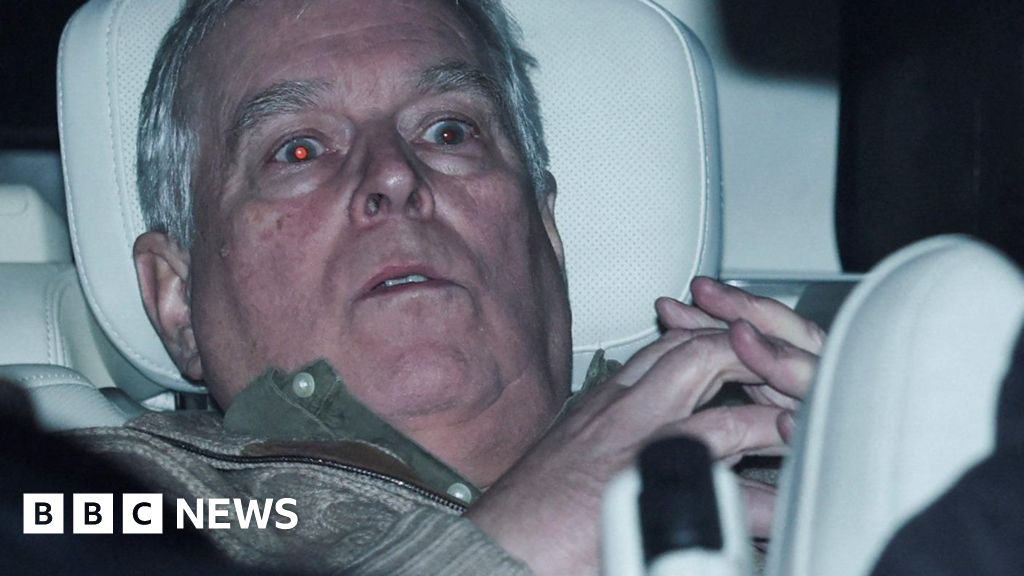
The general feeling is a mix of outrage, sarcasm, and frustration toward the monarchy, with many criticizing the royals as corrupt parasites and calling for their abolition. Comments highlight disbelief at public tolerance for figures like Andrew, comparing them to Trump’s election, while mocking the idea of royal tourism. Some mock the situation with dark humor, like the photo resembling an album cover or speculating on Andrew’s fate, while others express hope for his downfall or a reckoning. A second wave of sentiment underscores resignation to the monarchy’s entrenched power, acknowledging its popularity despite scandals. Critics dismiss calls for reform as unrealistic, noting the institution’s deep roots, while others lament the public’s apparent ignorance or complicity. The tone oscillates between cynicism about systemic change and a bleak, almost nihilistic view of the royals’ inevitable survival, despite widespread disgust.
r/news
Public Sentiment
The general feeling is a mix of skepticism, frustration, and dark humor, with many viewing Trump’s UFO claims as a distraction from the Epstein files and his alleged ties to pedophilia. Comments frequently mock the idea of aliens as a political ploy, with critics accusing Trump of using the topic to divert attention from his scandals and avoid accountability. The tone often leans toward cynicism, with users questioning the credibility of government transparency and dismissing the UFO narrative as a distraction from real issues like corruption and justice. Amid the sarcasm, there’s also a thread of distrust in institutions and a demand for accountability, with some arguing that the public deserves access to all files, including Epstein’s, to ensure justice. The discussion highlights a broader frustration with Trump’s leadership, his tendency to prioritize sensationalism over substance, and the public’s weariness of his attempts to deflect scrutiny. The comments reflect a polarized audience: some see the UFO claims as a farce, while others view them as a necessary push for transparency, even as they remain skeptical of the government’s motives.
r/news
Public Sentiment
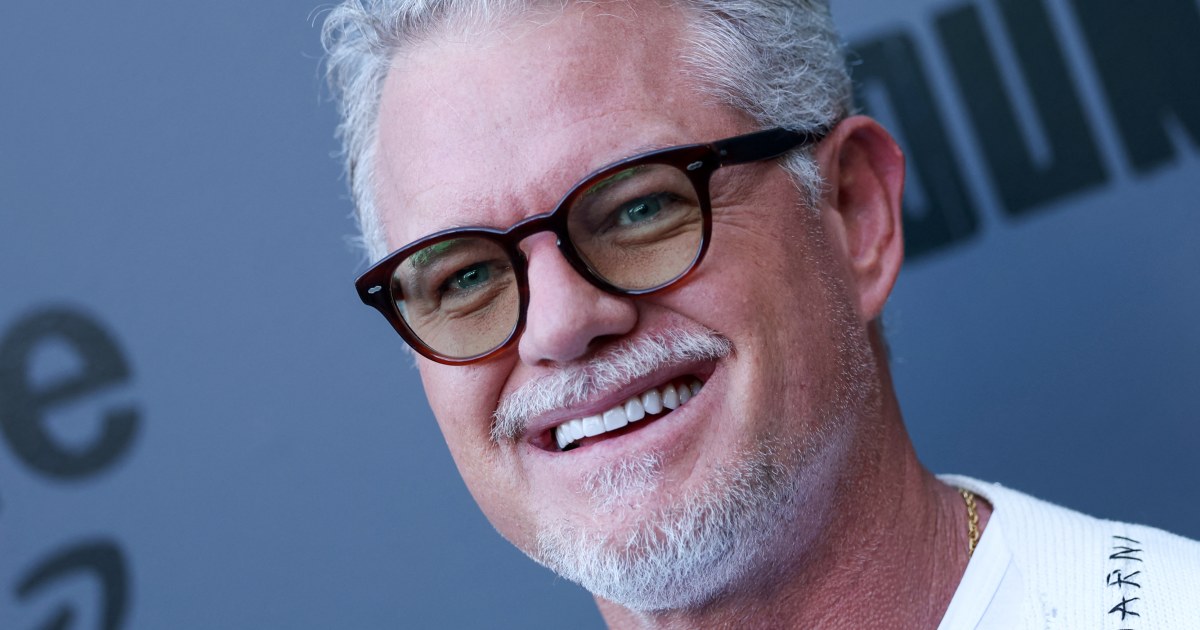
The overwhelming sentiment is one of profound grief and disbelief at Eric Dane’s untimely death from ALS at 53, with many expressing shock at the rapid progression of the disease and the loss of a beloved actor. Comments highlight the emotional toll of ALS, with personal stories of loved ones battling the illness and calls for more research, while others mourn the abrupt end to his career and the impact of his roles on fans. The community reflects on his contributions to shows like *Grey’s Anatomy* and *The Last Ship*, with many sharing how his work provided comfort during difficult times, deepening the sense of loss. A recurring theme is the systemic challenges faced by those with ALS, including financial strain and healthcare access, as well as frustration over stalled research progress. While some acknowledge the inevitability of the disease’s severity, others emphasize the tragedy of his death and the need for compassion for his family. The collective response blends sorrow, solidarity, and a call to honor his legacy, with many expressing hope that his passing will inspire greater awareness and support for ALS research and care.
r/news
Public Sentiment
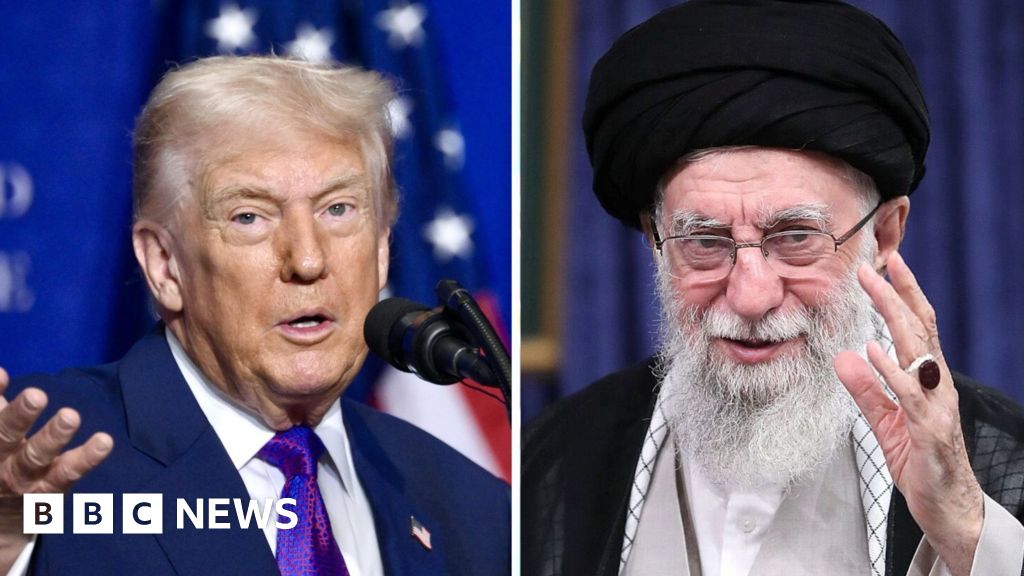
The general sentiment is a mix of skepticism and pessimism about US intervention in Iran, with many doubting the effectiveness of regime change efforts and fearing further destabilization. Comments highlight historical parallels to Iraq and Syria, warning of humanitarian crises and failed outcomes, while others argue Iran’s regime is too entrenched to collapse easily. Concerns about civilian casualties, US military overreach, and the potential for prolonged conflict dominate, with some dismissing Trump’s claims of quick victories as unrealistic. There’s also deep frustration with US foreign policy, including accusations of hypocrisy in addressing global conflicts while ignoring domestic issues. Many question the motives behind intervention, citing past failures and the risk of escalating tensions with Israel and Russia. Despite calls for foreign involvement, skepticism lingers about whether Iranians genuinely seek external support, with debates over the regime’s resilience and the likelihood of a decisive outcome. Overall, the tone is wary of US actions, emphasizing the potential for chaos and the cyclical nature of geopolitical conflicts.
r/news
Public Sentiment
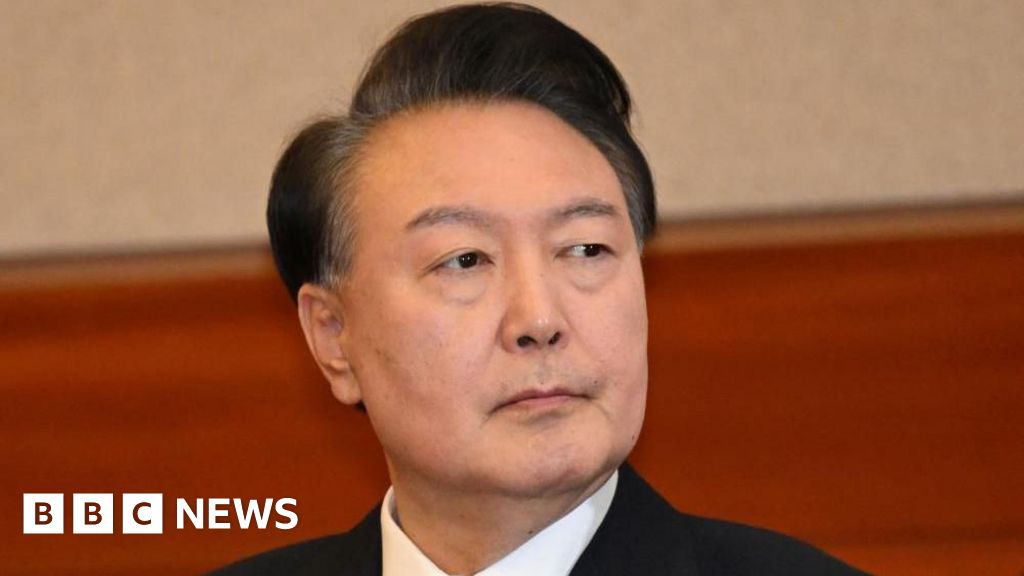
The general sentiment revolves around frustration with U.S. political accountability, with many comparing South Korea’s action to Trump’s potential fate, while criticizing America’s perceived tolerance for corruption and lawlessness. Comments highlight disappointment in the U.S. for not holding Trump to similar standards, despite his alleged misconduct, and mock the idea that Americans would accept such actions. There’s also a mix of admiration for South Korea’s legal system and concern over U.S. public apathy, with some arguing that accountability is rare in America due to partisan divides and public complicity in corruption. A few suggest Trump might never face similar consequences, while others hope this signals a shift in political norms, though skepticism remains about whether the U.S. will follow South Korea’s example.
