Real-Time News Sentiment
Analysis of trending Reddit news — tracking public mood,
controversy, and key topics
1358 Stories Analyzed
80 Positive Sentiment
1167 Negative Sentiment

r/news
Public Sentiment
Concerned and skeptical. The opinions express alarm and a desire for concrete evidence. Readers are questioning the investigative focus, seeking a “smoking gun,” and highlighting the seriousness of the alleged offenses – including complicity, denial of crimes against humanity, and manipulation of data. There’s a palpable fear surrounding the potential for these actions to be enabled by a company prioritizing profit over child safety.
r/news
Public Sentiment
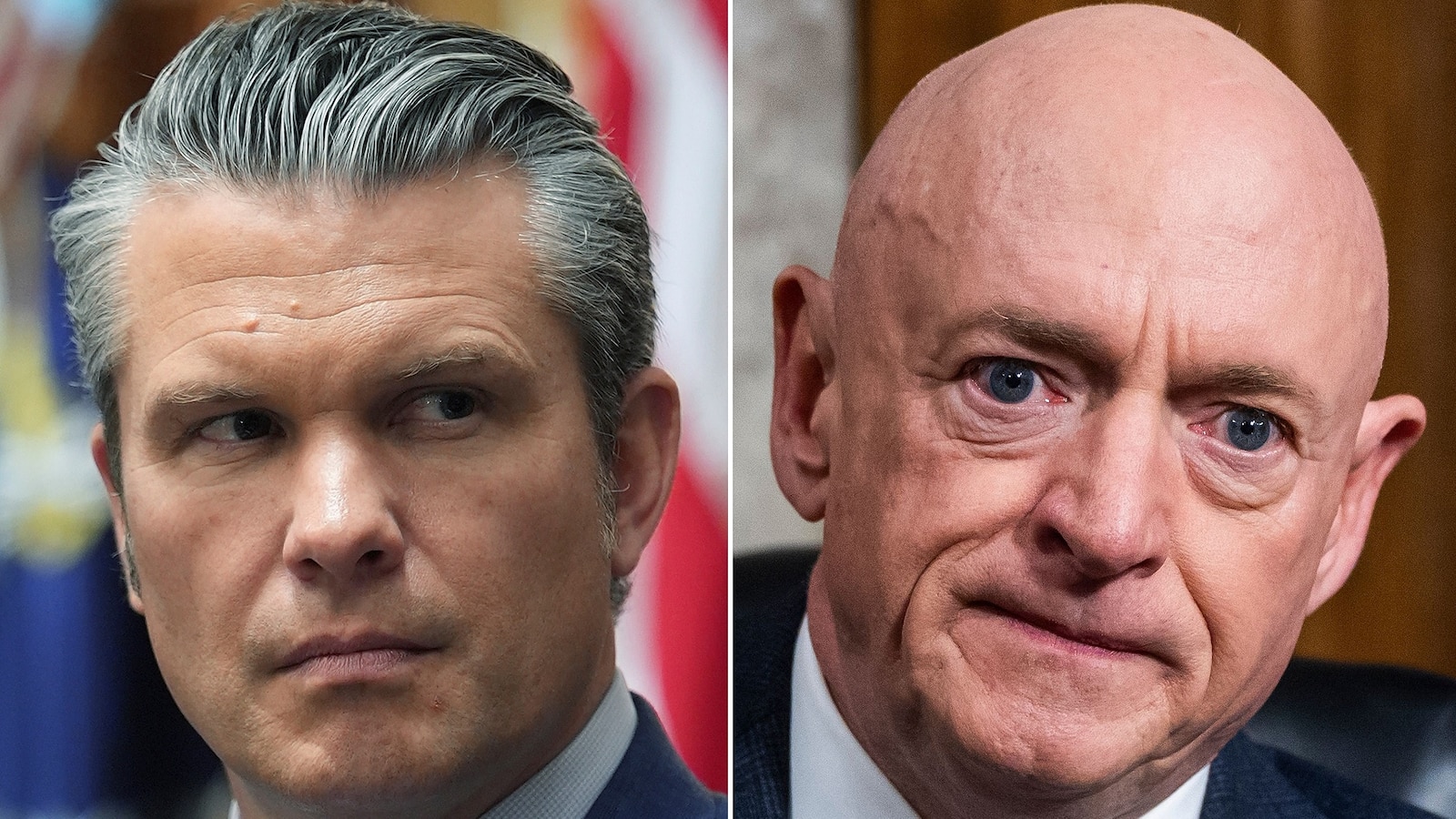
The overwhelming sentiment expressed in these opinions is one of deep skepticism and outrage towards the situation surrounding Senator Mark Kelly and the Pentagon’s potential actions. Readers largely view the entire episode as politically motivated, a calculated attempt to punish Kelly for speaking out against perceived wrongdoing and challenging authority. There’s a strong sense that the accusations are being used to discredit Kelly and demonstrate a willingness to retaliate against those who question the military’s actions, echoing past instances of politically charged legal battles within the military justice system. Furthermore, a significant portion of the comments highlight concerns about the potential for abuse and capriciousness within the military justice system, portraying it as prone to arbitrary punishments and lacking due process. Many express frustration with the perceived waste of resources and the potential for a chilling effect on those who might otherwise feel compelled to challenge unlawful orders. There's a widespread belief that the situation is a reflection of broader political maneuvering and a disregard for the principles of accountability and transparency.
r/news
Public Sentiment
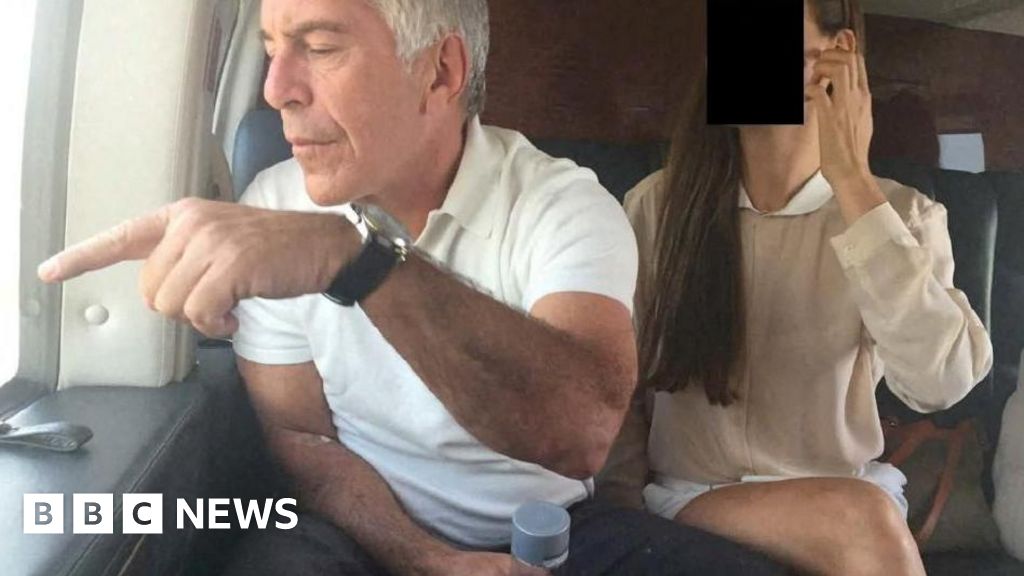
There’s a pervasive sense of bewilderment and frustration surrounding Elon Musk’s involvement in the Epstein files. Many feel it’s a deliberate misdirection, a calculated attempt to muddy the waters and deflect attention from the core revelations surrounding Epstein’s crimes and the individuals implicated within it. There’s a strong belief that the focus on Musk – with claims of him being a “guest” at Epstein’s island and alleged involvement – is a manufactured controversy designed to distract from the serious allegations against powerful figures. The prevailing sentiment is that the timing and framing of the “Musk investigation” are highly suspicious, seemingly intended to create chaos and confusion while simultaneously protecting those truly responsible. Many view it as a cynical ploy to shift blame and maintain the status quo, fueled by a desire to discredit anyone who threatens to expose the truth.
r/news
Public Sentiment
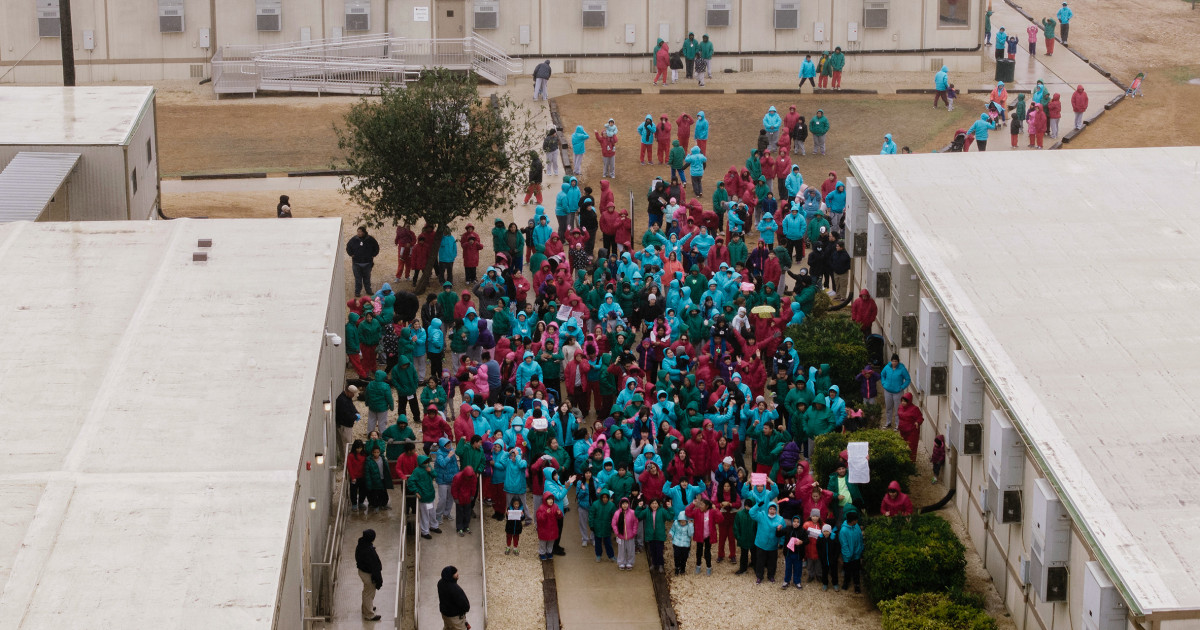
Alarm and outrage. The opinions express deep concern over the measles outbreak, fueled by a sense of disbelief regarding the availability of a vaccine and a fear of potential spread. There's a strong implication of negligence and a heightened sense of vulnerability, particularly regarding individuals detained in facilities, prompting comparisons to historical atrocities and a belief that warnings about the disease's resurgence were ignored. The comments reveal considerable distrust of the administration’s handling of the situation, combined with frustration and blame directed toward anti-vaccine sentiment and a perceived lack of concern for the detained individuals.
r/news
Public Sentiment
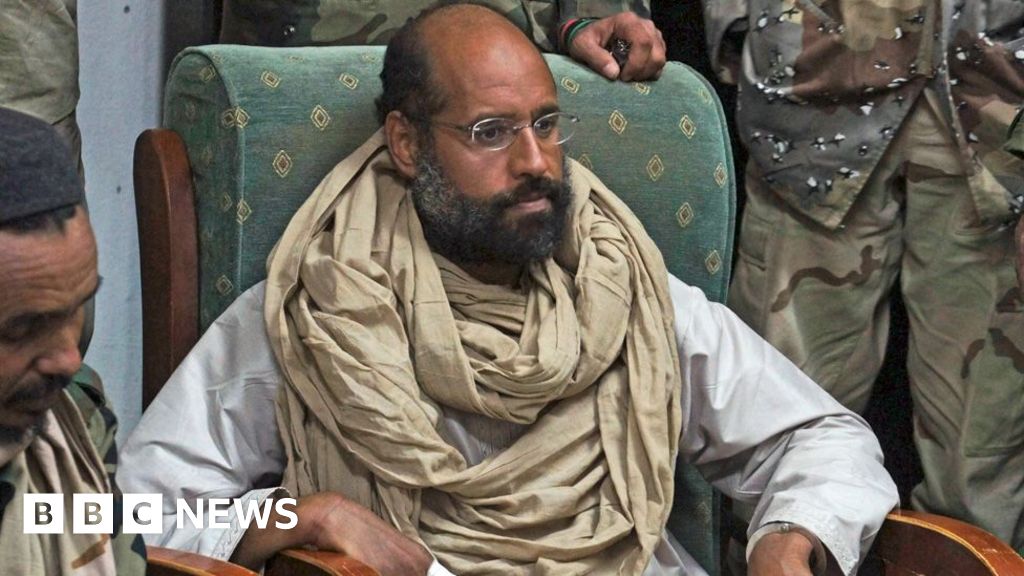
Disbelief and frustration. The reactions to the news article are overwhelmingly characterized by skepticism, anger, and a sense of betrayal. Readers express confusion about the prolonged survival of Saif al-Islam Gaddafi, coupled with accusations of manipulation and a cynical view of international intervention, particularly by the United States and NATO. There’s a strong current of resentment towards perceived hypocrisy – questioning the stated values of freedom and democracy while highlighting instances of exploitation and intervention. Alongside the anger, there’s a noticeable level of distraction and disjointedness. Many comments veer off-topic, expressing personal desires (like craving toaster strudel) and tangential observations. This suggests a feeling of being overwhelmed by the news and a struggle to process the complex implications of the story.
Public Sentiment
The prevailing sentiment expressed in these comments is one of profound disbelief and frustration. There’s a strong sense of incredulity that anyone would willingly consume raw milk, particularly during pregnancy, given the demonstrable and severe health risks involved. Many commenters express a feeling of dismissal towards those who advocate for raw milk, portraying them as exhibiting a dangerous level of ignorance, stubbornness, and a disregard for scientific consensus. The repeated use of phrases like “yeah no shit,” “it changes the way that you see the world,” and “dumb people” highlights a judgmental attitude, suggesting that those who promote raw milk are fundamentally flawed in their thinking. Ultimately, the collective opinion reflects a deep concern for public safety and a critical assessment of the potential consequences of disregarding established health guidelines. The commentary reveals a strong belief in the importance of scientific evidence and professional expertise, coupled with a feeling that those advocating for raw milk are prioritizing personal preference over demonstrable risk.

r/news
Public Sentiment
The overwhelming sentiment expressed in these opinions is one of intense condemnation and outrage directed at the individual’s actions. There’s a strong sense of disbelief and disgust at his behavior – described as “worthless,” “a loser,” and a demonstration of “no ragrets” following a brutal beating by teenage girls. The focus is heavily on the perceived recklessness and inappropriate nature of his attack, fueled by the image of him impulsively exiting his vehicle to assault minors. Beyond the immediate condemnation, there’s a layer of mockery and ridicule directed at the man’s subsequent actions, such as shaving his head in an apparent attempt to avoid identification. The opinions reveal a collective frustration with what is perceived as a misguided and dangerous display of aggression, combined with a sense of amusement at his panicked reaction to the situation.

r/news
Public Sentiment
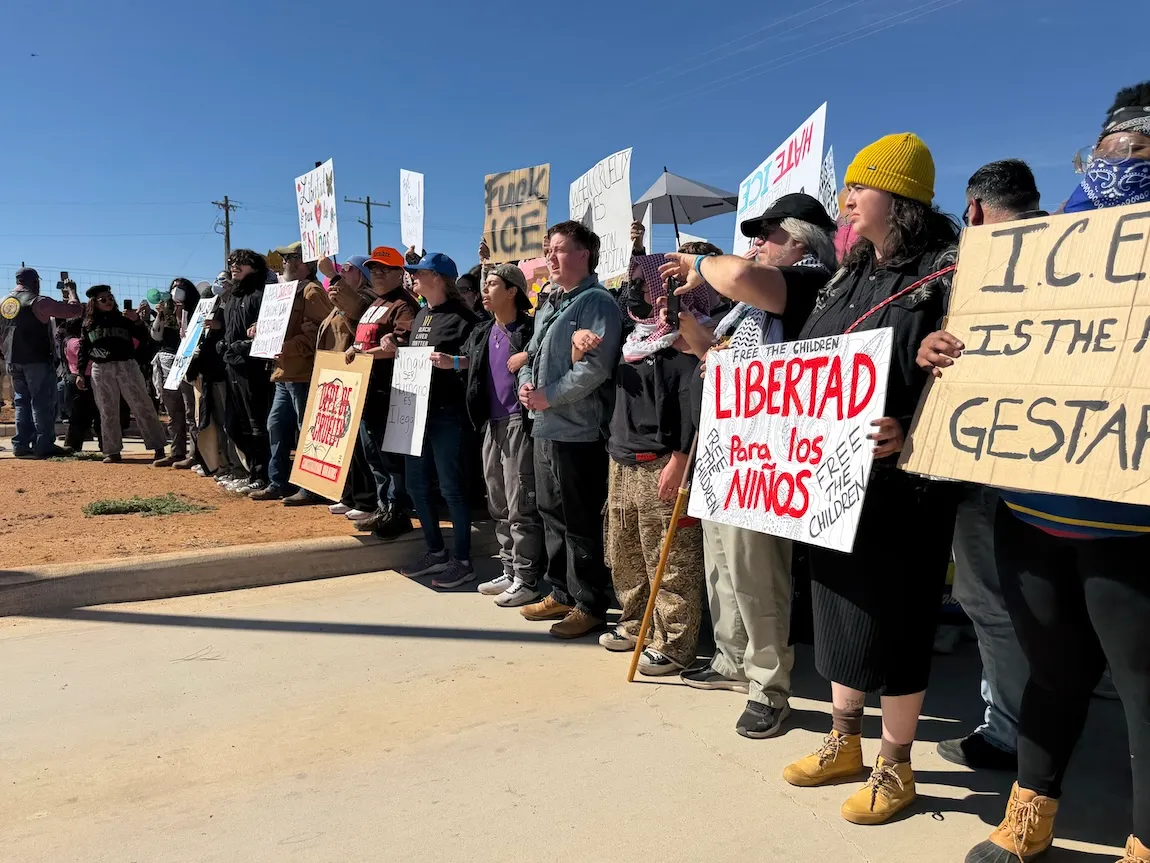
The overwhelming sentiment expressed in these opinions is one of intense alarm, outrage, and disbelief. There’s a pervasive sense that established rules and procedures are being disregarded, replaced by a heavy-handed, intimidating, and potentially dangerous tactic. The opinions highlight a perceived escalation of authoritarian behavior, fueled by a lack of accountability and a disturbing willingness to use excessive force against civilians simply observing law enforcement. A core anxiety revolves around the erosion of constitutional rights and the normalization of violence against marginalized communities. Furthermore, a significant thread runs through the responses expressing deep skepticism toward law enforcement, particularly ICE. Many believe the agency is being deliberately used as a tool for intimidation and political posturing, rather than fulfilling its stated mission. There’s a palpable fear that this situation represents a dangerous precedent, with the potential for escalating violence and further undermining public trust in government institutions.
r/news
Public Sentiment
The overwhelming sentiment expressed in these opinions is one of outrage and condemnation. Readers perceive the ICE’s acquisition of the warehouse as a deliberate act of dehumanization, repeatedly labeling it a “concentration camp” and drawing parallels to Nazi-era atrocities. There’s a strong sense of disbelief and horror at the conditions described—an unairconditioned, dark metal box—and a deep distrust of the government’s motivations, fueled by accusations of prioritizing warehousing migrants over human rights. Furthermore, the opinions reveal a collective frustration with the lack of transparency and accountability, alongside a desire for direct action. Readers advocate for protests, sabotage, and political pressure to defund ICE, reflecting a profound sense of moral urgency and a willingness to challenge what they see as an unjust and dangerous situation.
Public Sentiment
The overwhelming sentiment expressed by these commenters is one of disappointment and a sense of impending loss. There’s a collective mourning for a familiar, albeit somewhat touristy, dining experience – Bahama Breeze – and a broader anxiety about the rising cost of everyday pleasures. Many express frustration with the inevitable decline of affordable chain restaurants, viewing it as a symptom of a larger issue: the increasing disparity between the cost of living and wages. There’s a feeling that these restaurants, once a relatively accessible option, are casualties of corporate greed and rising expenses, ultimately reflecting a broader societal shift towards economic hardship. Beyond the specific loss of Bahama Breeze, the responses reveal a deeper concern about the future of dining and leisure. Commenters lament the shift towards higher prices, hinting at a potential future where affordable options disappear entirely. Many express a bleak outlook, suggesting a potential societal consequence of economic instability – a reliance on government assistance and a general decline in consumer spending. The conversation highlights not just a lost restaurant, but a broader anxiety about the accessibility of simple comforts and the potential for a more austere future.
r/news
Public Sentiment
Deep-seated outrage and suspicion dominate the sentiment, fueled by a belief that powerful figures are actively concealing evidence of wrongdoing. There’s a pervasive conviction that a network of individuals, including high-ranking officials and wealthy elites, are involved in child exploitation and related crimes, with a strong suspicion of deliberate obstruction and cover-ups. The repeated claims of withheld documents, coupled with accusations of redactions and ongoing litigation, reinforce the feeling that justice is being denied and that powerful forces are protecting the guilty. This outrage is characterized by a demand for accountability and a sense of betrayal, with many expressing frustration over the lack of prosecution and the perceived manipulation of information. The belief that the release of documents is a staged effort, designed to appease public outcry without genuine investigation, further intensifies the feelings of anger and distrust.

r/news
Public Sentiment
A pervasive sense of unease and suspicion dominates the opinions, with a strong undercurrent suggesting a connection to the Epstein investigation. Many individuals believe the abduction is directly linked to her reporting on the scandal, fueled by the timing of the release of Epstein files and her daughter’s prominent role in covering the story. There’s a significant skepticism towards purely random motives, with a prevailing feeling that the case is being deliberately obscured and that powerful, possibly politically motivated, forces are at play. Despite the lack of concrete evidence, a considerable number of commenters express a conviction that the situation is far more complex than initially presented. This is coupled with a noticeable wariness regarding the official narrative and a willingness to entertain theories involving political motivations and those connected to the Epstein scandal. There’s a palpable sense of frustration at the apparent suppression of certain lines of inquiry and a belief that the truth is being actively hidden.
