Real-Time News Sentiment
Analysis of trending Reddit news — tracking public mood,
controversy, and key topics
1358 Stories Analyzed
80 Positive Sentiment
1167 Negative Sentiment
Public Sentiment
The public reaction to Chile's wildfires and the broader context reveals profound pessimism about humanity's future, particularly framing climate collapse and systemic failures as inevitable. People express deep anxiety that generational trauma—climate disasters, economic collapse, and conflict—will doom younger generations before they reach old age, with the AI data center comment highlighting a dystopian narrative where technological acceleration exacerbates planetary crisis rather than solving it. This sentiment is further shaped by widespread distrust in information and the normalization of misinformation, as seen in the deleted comments about antisemitism and quantum computing. The dominant feeling is one of apocalyptic dread, where current crises are perceived as symptoms of a larger, unstoppable collapse, with little hope that even the most vulnerable will survive the coming century of chaos.
r/news
Public Sentiment
The overwhelming sentiment from these opinions is deep outrage and despair over the DOJ's obstruction of transparency, with people viewing the Epstein file withholding as a deliberate effort to protect Trump and pedophiles while eroding democratic safeguards. Commenters express fury that Congress has abdicated its constitutional authority, becoming passive cheerleaders for the Trump administration instead of enforcing checks and balances, and warn this represents a systemic collapse where the executive branch now dictates what Congress can do—effectively turning the DOJ into a "pedo haven" that shields child predators. This collective anger frames the situation as a critical crisis of democratic decay: the public perceives the DOJ's actions as willful complicity in protecting Trump’s crimes while Congress has surrendered its power, signaling that the American experiment with separation of powers is failing. Many fear this sets a dangerous precedent where the government prioritizes protecting powerful figures over public safety and transparency, with the consequences likely being a loss of trust in institutions and a dangerous normalization of systemic corruption where "the least educated citizens" are manipulated into supporting regimes that silence accountability.
r/news
Public Sentiment
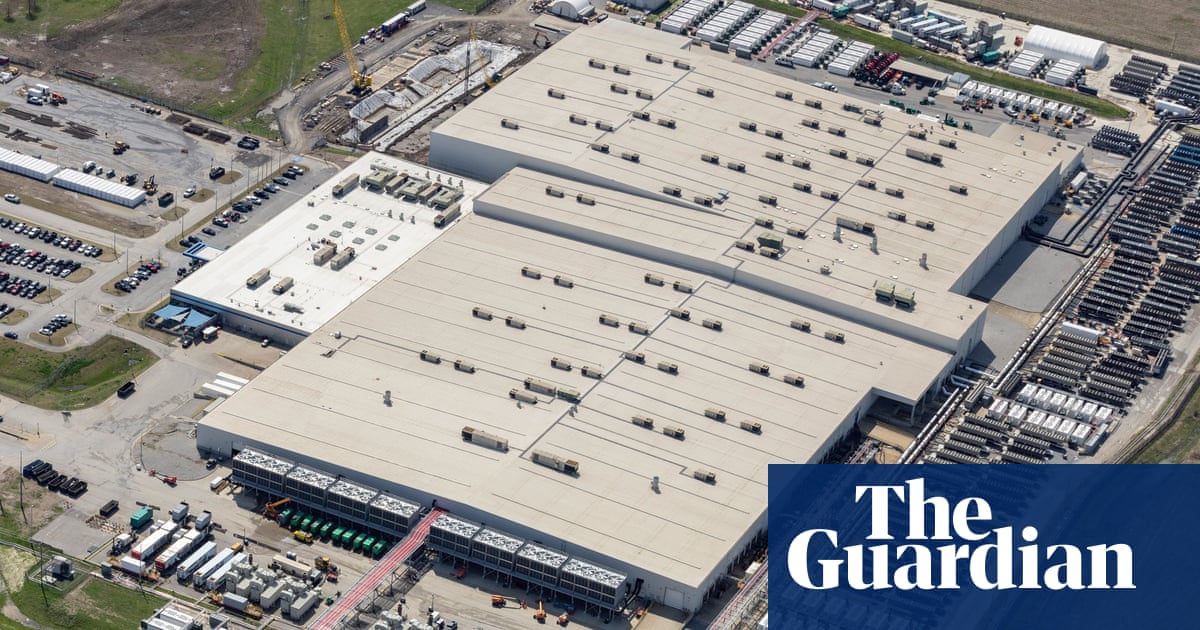
The overwhelming sentiment from readers reflects intense anger and frustration over xAI's illegal use of portable gas turbines to generate electricity in Memphis, which pollutes vulnerable communities with nitrogen oxides linked to asthma and cancer. Multiple comments highlight the deliberate environmental harm, the mayor's dismissive stance, and the fact that these illegal generators operate in minority neighborhoods while bypassing EPA regulations—described as "evil for evil's sake" and a direct consequence of Musk's refusal to pay for grid electricity. This incident is framed as part of a larger systemic crisis where the wealthy evade environmental and legal consequences, with readers connecting it to decades of neoliberal policies, EPA underfunding, and government corruption. The sentiment emphasizes that this isn't an isolated case but a symptom of a broader pattern: "the wealthy face no consequences for anything," with the EPA's budget cuts and weak enforcement enabling such pollution while ordinary citizens bear the health costs—culminating in a critique that America has become a "world where the wealthy benefit from the protection of the government without having to adhere to its laws."
r/news
Public Sentiment
Readers perceive the US government's action as a deliberate trap to force China into infrastructure dependency on American tech, particularly Nvidia's AI chips. They view this move as a strategic maneuver to create a vulnerability for future trade wars, where China's reliance on Nvidia could become a choke point. Many express concern that China will be compelled to develop its own alternatives—like open-source CUDA-compatible chips—to avoid long-term dependence, framing it as a critical step toward reducing US technological dominance. The opinions also highlight deep skepticism about hardware security and the potential for hidden backdoors, with readers noting that even existing consumer hardware (like CPUs) runs unaudited code with unrevocable hardware access. While some speculate about spyware or Palantir compromises, the consensus emphasizes that China's forced pivot to domestic solutions could accelerate open-source AI development, ultimately benefiting global tech ecosystems despite short-term risks to US economic interests.
r/news
Public Sentiment
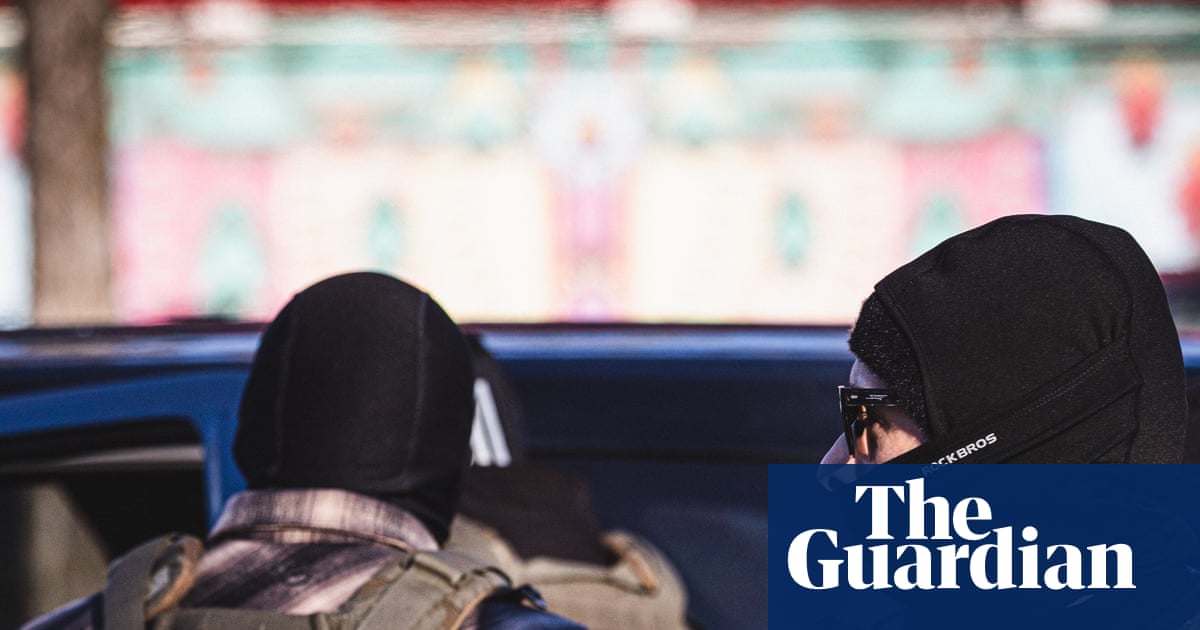
The opinions convey profound fear and trauma for children, with readers deeply alarmed by the normalization of law enforcement targeting minorities and the psychological harm inflicted on young people. They describe shaking hands as a trivial reaction to systemic violence, emphasizing how current events—like ICE raids at schools—recreate historical trauma from events such as Kent State and George Floyd, leaving a generation trembling in fear while institutions they trust become perpetrators of violence. This sentiment reflects a deep sense of irreversible damage and hopelessness, where readers believe trust in law enforcement has been irrevocably broken, guaranteeing future generations will view police as villains. The collective mood is one of despair, with many noting that even if immediate crises end, the psychological scars and militarization of police will ensure a permanent fracture in public safety and social cohesion, making recovery seem impossible.

r/news
Public Sentiment
The opinions collectively reveal deep concern that Epstein exploited the financial barriers to education as a sophisticated money laundering scheme, using fake university admissions and "refunds" to conceal illicit funds while victims—often vulnerable young women—were trafficked and manipulated. Readers emphasize how this practice highlights systemic failures in America’s education system, where the promise of opportunity becomes a tool for coercion rather than genuine empowerment, and how economic inequality creates openings for predatory exploitation. This perspective underscores the urgent need for accessible, affordable education as a critical safety net rather than a luxury commodity, arguing that widespread free education could prevent such abuse by removing the financial leverage that enables traffickers. The comments consistently frame the issue as a symptom of broader societal neglect, where vulnerable populations are left without protection, and the promise of education is weaponized to maintain control while the system fails to address root causes like poverty and lack of support.
Public Sentiment
People express deep alarm and anger over perceived systemic abuse by ICE, viewing warrantless arrests, DNA collection, and trophy photos as dehumanizing tactics that violate constitutional rights and constitutional principles. They fear this normalized violence escalates into mass atrocities, comparing current practices to historical horrors like Abu Ghraib and Nazi concentration camps, with specific concern that masked agents operating without identification could easily commit crimes against citizens. This sentiment reflects widespread anxiety about the U.S. sliding toward authoritarianism, where immigration enforcement becomes a tool for state violence under the guise of "patriotism." Comments emphasize that such actions—escalating from detainment to potential mass murder—represent a deliberate strategy to dehumanize Americans, with the public feeling increasingly powerless against an apparatus they believe is actively preparing for systemic cruelty.

r/news
Public Sentiment
The comments radiate widespread amusement and ironic frustration, with readers humorously framing the situation as a crab-related comedy of errors. Phrases like "crab people," "craaab people," and the playful "taste like crab, talk like people" highlight the lighthearted absurdity, while the disbelief at the crabs being "disposed of" after immense effort feels like a punchline. The town's frantic attempt to stop the crabs from reaching the sea—only for them to be rejected as unfit—creates a perfect storm of irony that resonates strongly. This feeling is underscored by sharp criticism of the reporting, which the comments imply buried the real story (the 18 hours of darkness) while the crabs' escape and subsequent fate became the punchline. The sense of wasted effort—enlisting volunteers to collect crabs only to have them deemed unsuitable—fuels the collective sigh of "oddness," with many imagining a Netflix film about the crabs' freedom. The overall mood is one of bewildered humor, where the town's predicament feels both ridiculous and strangely relatable.
r/news
Public Sentiment
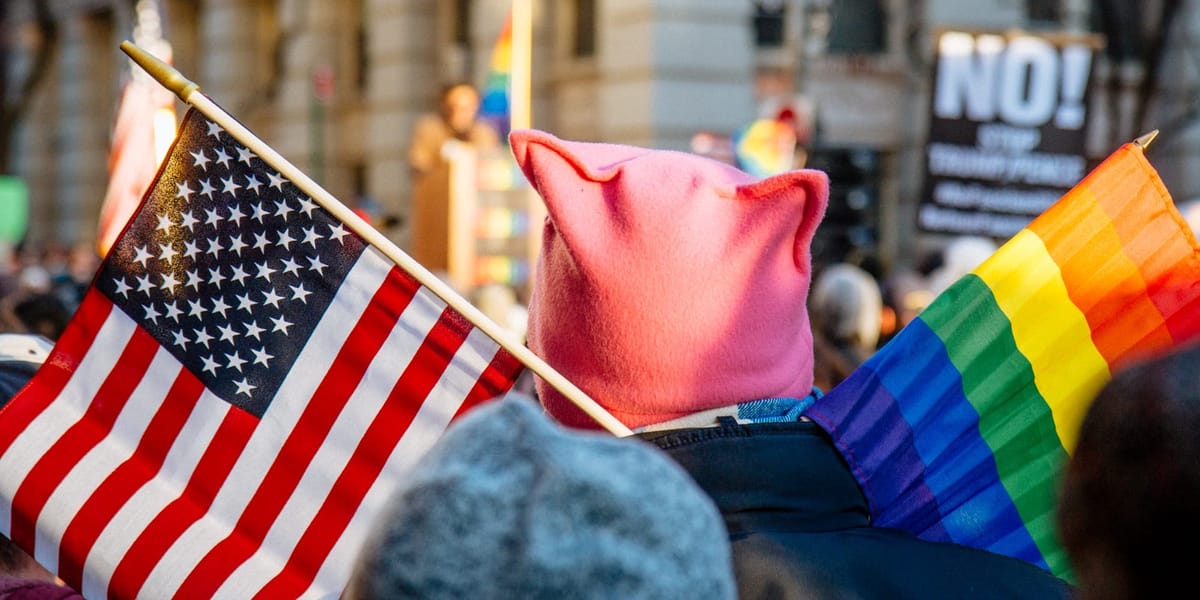
People reading the news article express profound anger and fear at the attack, viewing the perpetrator as a cowardly bigot motivated by religious extremism or repressed homophobia. They see the violence as a symptom of deep societal fractures, where anti-gay rhetoric is used to justify harassment, discrimination, and even violence—often rooted in outdated beliefs about sexuality or morality. Many emphasize the attacker’s psychological state, suggesting they are repressing their own desires or fighting internalized prejudice, while others link the incident to broader political and cultural battles, particularly the rise of religious conservatism and its impact on LGBTQ rights. The general feeling is one of urgent concern that this attack reflects a dangerous regression in social values, with readers comparing current tensions to historical eras of discrimination like Jim Crow. They highlight how political polarization and religious extremism are fueling hostility toward gay individuals, creating a climate where violence becomes normalized and systemic issues like low marriage rates or immigration policies are weaponized to target marginalized communities. This perspective frames the incident not as an isolated act but as part of a larger pattern of bigotry that threatens social cohesion in America.
Public Sentiment
The overwhelming sentiment among readers is that the US has become increasingly unwelcoming and unsafe for tourists under current policies, leading to a significant decline in foreign visitors despite global tourism growth. People describe the environment as hostile, with fears of surveillance, arbitrary detention, and political hostility creating a sense of vulnerability—particularly for non-white, non-English speakers, or those with political dissent. This has shifted perceptions from the US being "inviting" to a place where travelers feel they must conform to strict, discriminatory criteria to even be considered safe. Consequently, many have actively canceled US trips in favor of safer, more stable destinations like Europe, Cuba, or Canada, framing this as a necessary boycott against systemic issues like authoritarian enforcement, immigration crackdowns, and geopolitical instability. The collective feeling is that the US has lost its appeal as a tourist haven due to these factors, with travelers prioritizing safety and personal freedom over the perceived benefits of American hospitality.
r/news
Public Sentiment
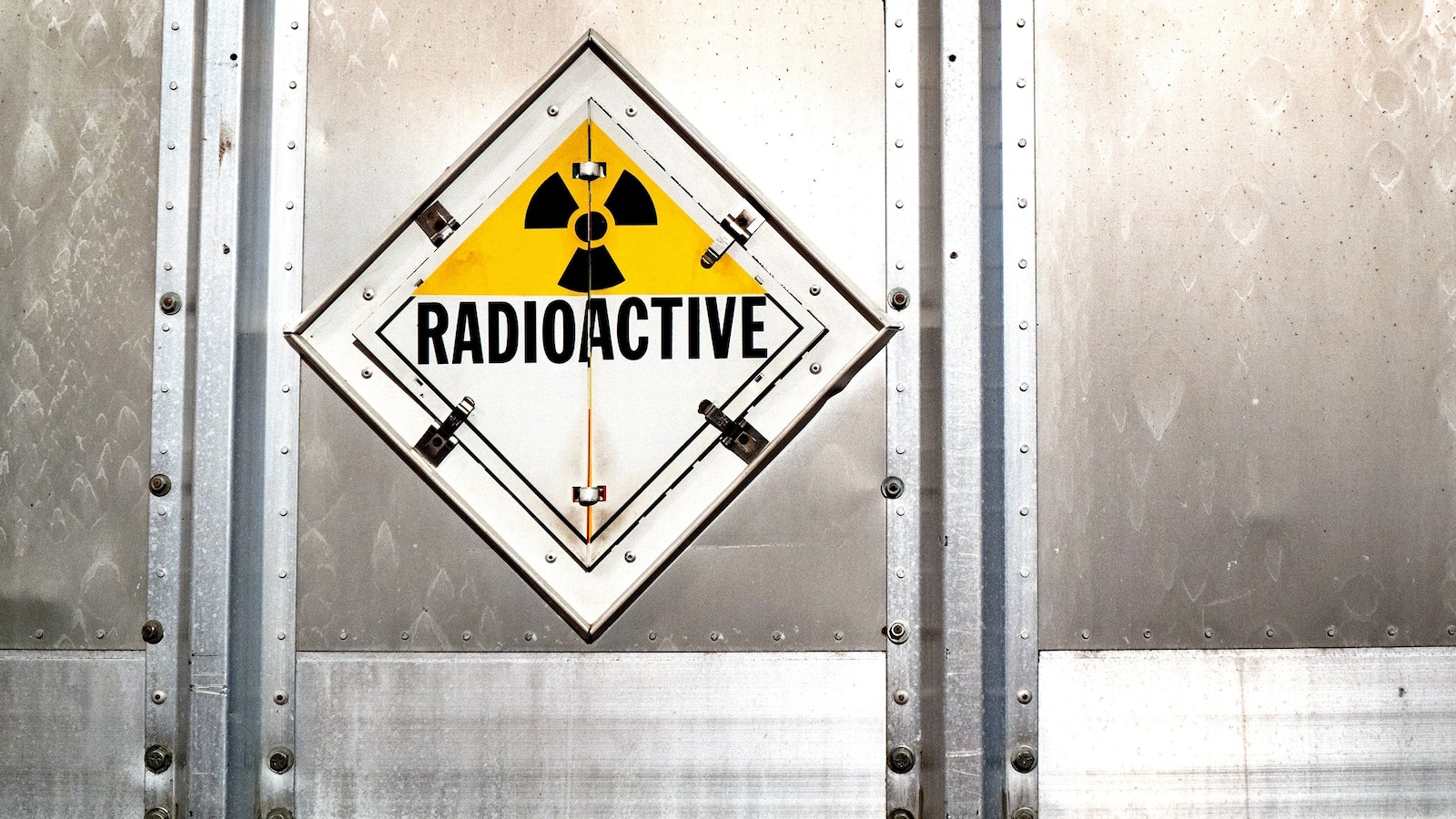
People express a mix of dark humor, exaggerated concern, and absurdity about radioactive contamination in imports, particularly shrimp. Many joke about the absurdity of radiation risks (e.g., "we need more radiation!" or "glowing cars from Fukushima"), while others highlight the irony of living near dangerous sources like coal plants versus this "end of the world" scenario. There’s widespread disbelief in the scale of the problem, with comments like "the world is so fucked" and "this is normal" reflecting a sense of resignation and shared anxiety about invisible threats. The reactions also reveal deep frustration with regulatory failures and global systems—people criticize the CBP’s competence, Trump’s inaction, and the lack of accountability for companies importing contaminated materials. While some emphasize that radiation levels are low (comparable to bananas), the dominant feeling is one of lingering dread, where the contamination’s mundane presence ("shrimp with radiation") clashes with fears of long-term consequences, making the situation feel both trivial and catastrophically urgent.
Public Sentiment
People's opinions reveal deep skepticism about Tesla's Full Self-Driving system, highlighting significant safety concerns and regulatory distrust. Many point to real-world violations, overpromising by Tesla, and the potential for dangerous scenarios like intoxicated drivers or distracted behavior, suggesting self-driving technology isn't yet reliable enough to replace human drivers safely. The recurring theme is that current systems pose real risks, especially when users might not be fit to drive. The extensions and ongoing probes reflect serious regulatory scrutiny of Tesla's records and system behavior on real roads, but opinions emphasize that self-driving technology remains unproven for widespread safety. While some acknowledge potential benefits for vulnerable groups like elderly drivers, the dominant feeling is that Tesla's current approach is fundamentally flawed and under-delivering on safety promises, poisoning public trust despite the technology's potential.
