Real-Time News Sentiment
Analysis of trending Reddit news — tracking public mood,
controversy, and key topics
1358 Stories Analyzed
80 Positive Sentiment
1167 Negative Sentiment

r/news
Public Sentiment
The prevailing sentiment is a mix of genuine horror for the abducted journalist and deep cynicism regarding the geopolitical context that led to her capture. While many users express admiration for the bravery of reporters working in war zones and hope for her safe release, a significant portion of the discourse shifts blame onto the United States and Israel, arguing that recent foreign policy decisions, military interventions, and political instability have inevitably provoked retaliation. There is a strong undercurrent of frustration with American political polarization, with critics accusing both sides of hypocrisy and warning that the current administration's actions are destabilizing the region and endangering civilians, contractors, and journalists alike. Amidst the serious geopolitical debate, the conversation frequently devolves into heated personal attacks, sarcasm, and conspiracy theories, reflecting a fractured and exhausted public mood. Users clash over whether the abduction is a direct consequence of US aggression or an isolated act of terrorism, with some dismissing the event as a predictable outcome of "forever wars" while others condemn the kidnapping as a moral failure regardless of political context. The thread is characterized by a pervasive sense of nihilism and anger, where empathy for the victim is often overshadowed by bitter arguments about national responsibility, the legacy of past conflicts, and the perceived moral bankruptcy of the current political landscape.

r/news
Public Sentiment
The prevailing sentiment among readers is one of deep cynicism and anger regarding the perceived erosion of constitutional protections and the rule of law. Many commenters view the firing of the FBI agents not as an isolated incident but as the fulfillment of long-predicted warnings about a "retribution campaign" targeting critics and dissenters within the government. There is a strong consensus that the Trump administration has openly admitted to prioritizing loyalty over integrity, leading to a sense of resignation that the judiciary may fail to check this "imperial" power. Some observers express disgust that a segment of the population actively supported these authoritarian tendencies, while others fear the government will settle the lawsuit to avoid damaging discovery, thereby allowing the alleged misconduct to go unpunished. Despite the overwhelming pessimism, there is a lingering hope that legal proceedings might expose the administration's actions, with some wishing for the case to proceed to discovery rather than a quick settlement. However, this hope is frequently tempered by the belief that the administration is indifferent to legal challenges, confident that they will leave office before any meaningful accountability is reached. The discourse is marked by a sense of betrayal and alarm, with comparisons to historical authoritarian regimes and a fear that federal agencies like the FBI are being dismantled or replaced by entities less bound by the Constitution. Ultimately, the readers feel that the situation confirms their worst fears about the current political climate, viewing the lawsuit as a symptom of a broader, systemic collapse of democratic norms.
Public Sentiment
The overwhelming sentiment expressed is one of deep cynicism, anger, and despair regarding the Trump administration's decision to exempt Gulf of Mexico drillers from endangered species protections. Readers view this move as a blatant prioritization of corporate profits and the interests of the wealthy over the environment, the economy, and public welfare, characterizing the administration as a "God Squad" of traitors engaged in criminal behavior. There is a pervasive belief that Republican leadership consistently destroys the nation through war, deregulation, and economic mismanagement, driven by a toxic mix of narcissism, greed, and a twisted interpretation of religious dominion that justifies the exploitation of the Earth. Sarcasm and dark humor permeate the discussion, with users mocking the administration's incompetence, the renaming of the Gulf, and the absurdity of political rhetoric about "winning" while allegedly destroying the country. The comments reflect a profound sense of betrayal and hopelessness, suggesting that the powerful will face no consequences until after societal collapse, while the general population suffers the fallout. Ultimately, the collective voice condemns the decision as an act of eco-terrorism that validates fears of a government that cares only for its donors and is willing to sacrifice the planet's future for short-term gain.
r/news
Public Sentiment
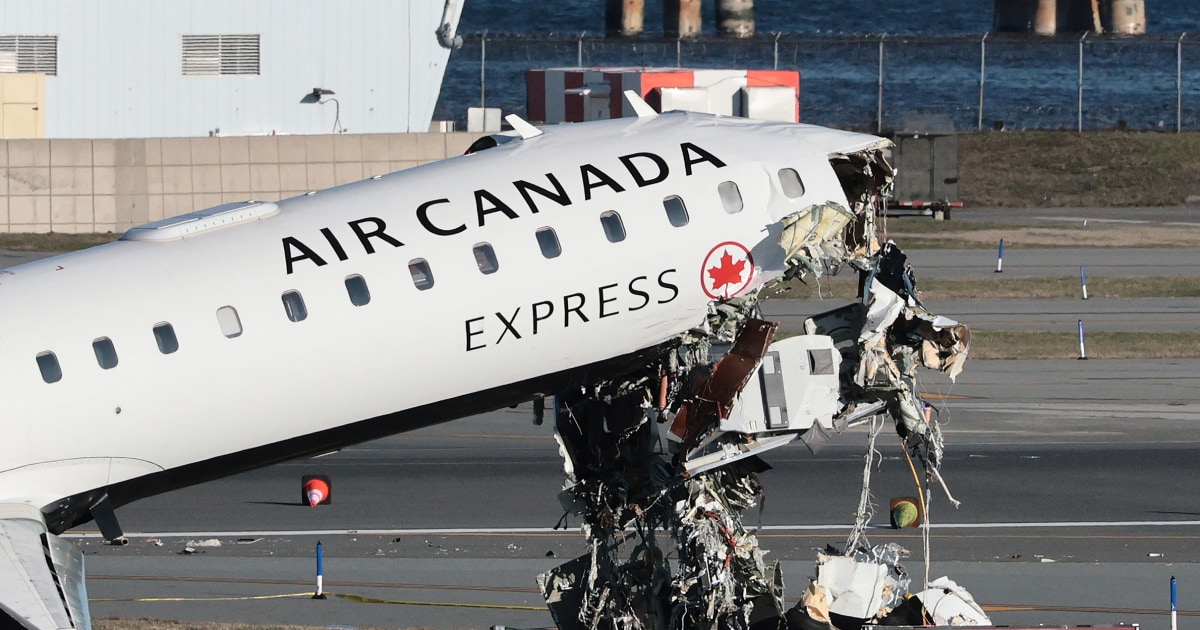
The prevailing sentiment among readers is one of deep cynicism toward management and systemic negligence, viewing the LaGuardia incident not as an isolated error by a controller but as an inevitable result of chronic understaffing and cost-cutting measures. Commenters draw sharp parallels between air traffic control and healthcare, arguing that administrators in both sectors deliberately reduce headcounts and combine critical roles to save money, thereby creating unsafe environments where workers are pushed to their breaking point. There is a strong consensus that when accidents occur, leadership consistently shifts the blame onto overworked frontline employees rather than accepting responsibility for the "do more with less" mentality that prioritizes profit over safety. Furthermore, the discussion highlights a pervasive frustration with the corporatization of essential services, with many attributing the long-term decline in staffing and morale to decades of political decisions starting with the Reagan era and continuing through recent administrations. While some debate the specific timeline of rule changes or the role of individual presidents, the overarching feeling is that the system is fundamentally broken by a lack of empathy and a refusal to adequately fund or train critical personnel. Readers express a sense of helplessness, noting that licensed professionals are often left with no choice but to quit or face moral dilemmas, as the pressure to maintain operations with insufficient resources creates a cycle of burnout and preventable tragedy.
r/news
Public Sentiment
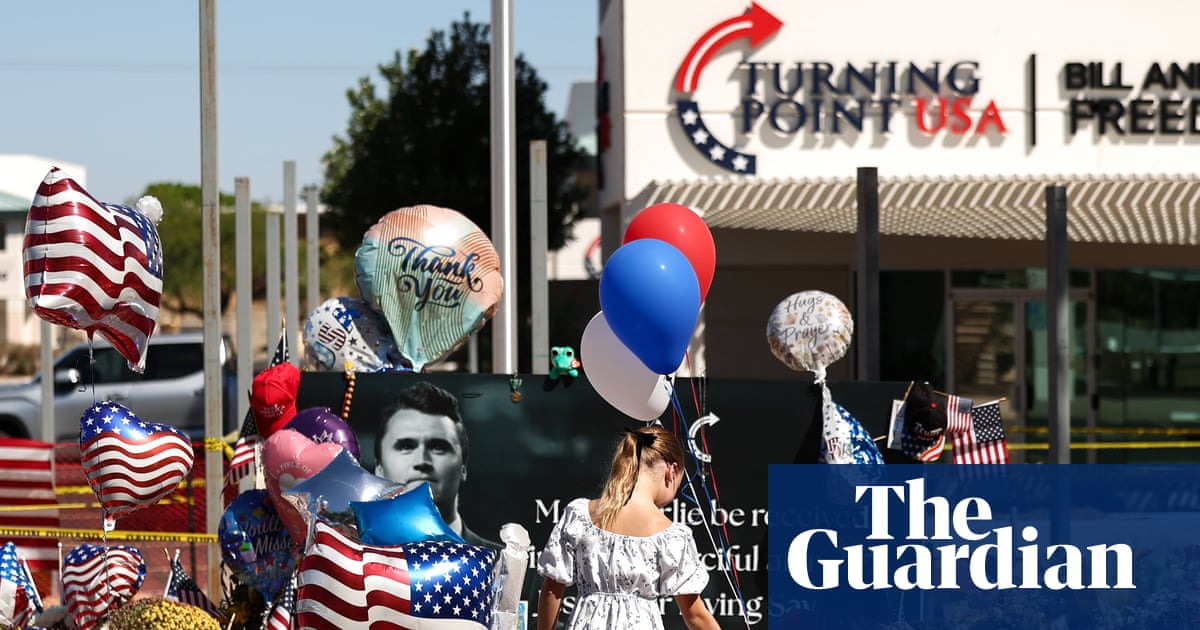
The prevailing sentiment is a deep skepticism toward forensic science, driven largely by the belief that television procedurals have created unrealistic public expectations about the capabilities of ballistics and digital forensics. Readers frequently mock the "enhance" trope and other cinematic clichés, noting that real-world evidence matching is far more difficult, especially when bullets fragment or deform upon impact. This cynicism extends to a broader distrust of the justice system, with many arguing that flawed or pseudo-scientific methods like bite mark analysis and polygraphs are often weaponized by the state against defendants who lack the resources to hire expert witnesses to refute them. Beyond the technical debates, the discussion reveals a strong undercurrent of conspiracy and irony regarding the specific case of Charlie Kirk, with users joking about his "superhuman bone density" and speculating on the integrity of the crime scene investigation. While some participants offer serious insights into the complexities of ballistics and the limitations of recovering deformed fragments, the overall tone remains heavily satirical, blending genuine criticism of bad science with humorous references to pop culture tropes and a general belief that the legal system is easily manipulated by money and media narratives.

r/news
Public Sentiment
The prevailing sentiment among readers is one of intense anger and cynicism, viewing the Medicaid cuts as a deliberate and predictable consequence of Republican policies designed to benefit the wealthy at the expense of ordinary Americans. Commenters express deep frustration with what they perceive as the willful ignorance and lack of critical thinking among Trump supporters, who they believe prioritize cultural grievances and racial animosity over tangible economic hardships like lost healthcare and rising costs. There is a pervasive sense of betrayal and sarcasm regarding the "feigned surprise" of the report, with many asserting that these cuts were an inevitable outcome of the "big beautiful bill" and the broader agenda to fund tax cuts for the rich while dismantling social safety nets. Furthermore, the discussion extends to a broader critique of the American political and media landscape, blaming right-wing propaganda outlets like Fox News and figures like Rush Limbaugh for fostering a culture of misinformation that prevents self-reflection. Readers characterize the situation as a stark class war where the "Healthcare Industrial Complex" and political elites manipulate the system to maximize profits, leaving common residents to face a lifestyle choice between medical care and basic survival. The overall tone is one of despair and resignation, suggesting that the political machinery is irredeemably corrupt and that the suffering of vulnerable populations is an accepted price for maintaining the power of the wealthy and the ideological purity of the base.
r/news
Public Sentiment
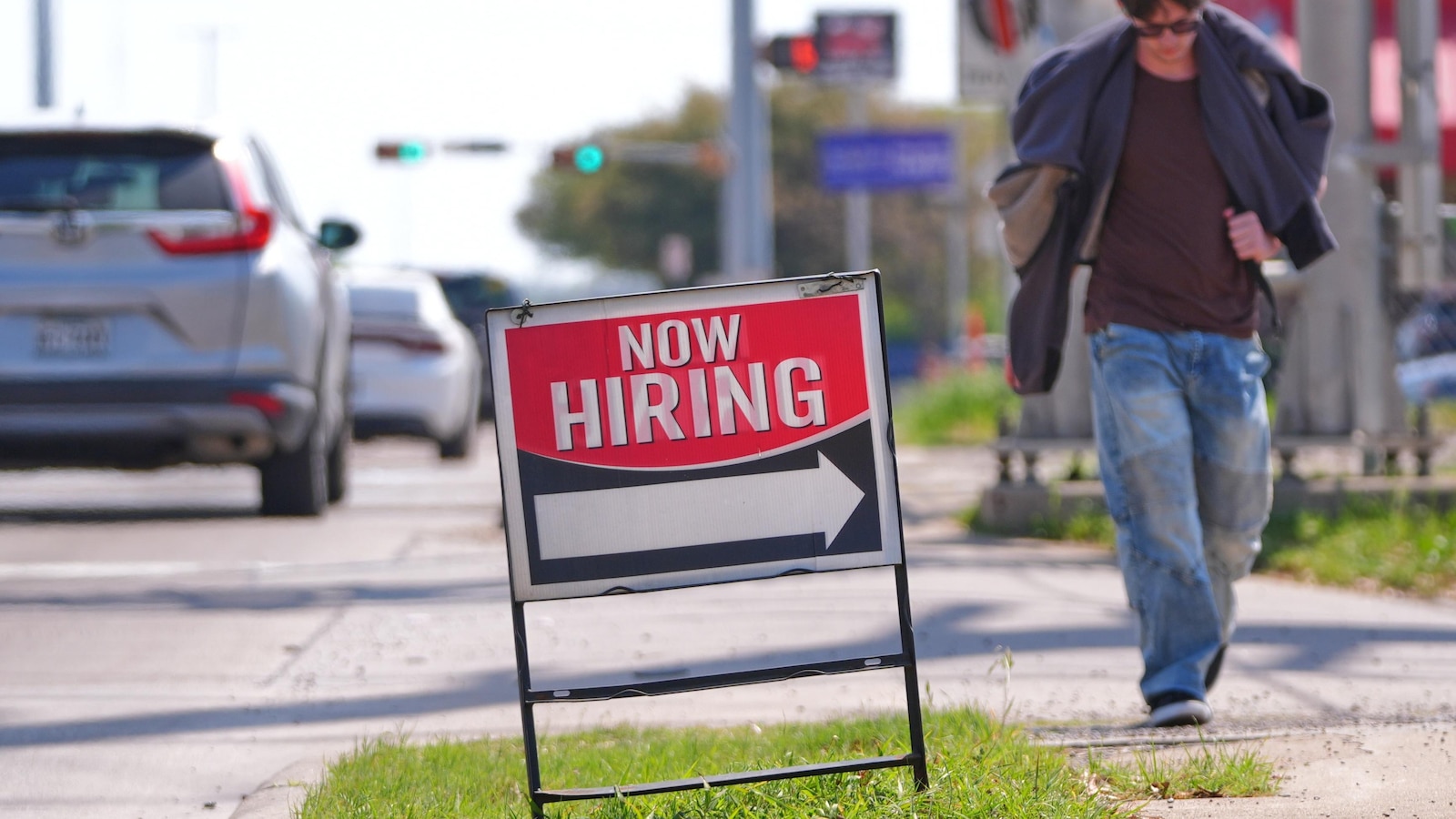
The prevailing sentiment is one of deep cynicism, frustration, and anger regarding the deteriorating U.S. job market, with many viewing the reported "sluggish" hiring as a gross understatement of a crisis that feels more like a depression. Readers express a strong belief that corporate greed, driven by a desire to maximize shareholder value, is fueling a race to the bottom through the aggressive adoption of AI, the outsourcing of labor to foreign call centers, and the replacement of workers with robots. This technological displacement is compounded by a pervasive distrust in official data, with many suspecting that job openings are "ghost jobs" or that government statistics are manipulated by political appointees to create a false narrative of economic success. A significant portion of the discourse also fixates on the long-term economic fallout of the pandemic, heavily blaming former President Trump's mishandling of the crisis for the current stagnation and the loss of millions of lives and jobs. While some debate the extent of individual versus systemic responsibility, the consensus leans toward a failure of leadership that left the economy vulnerable to high interest rates and uncertainty. The overall mood is bleak, characterized by a sense of hopelessness among job seekers who face automated rejection systems and a competitive gig economy, leading to calls for stricter regulations, a boycott of the U.S., and a general feeling that the country is "winning" at nothing but economic decline.

r/news
Public Sentiment
The general sentiment surrounding the article is a mix of dark humor and cynical amusement, with readers largely attributing the Marine's detention to sheer stupidity rather than malicious intent. Many commenters joke about the absurdity of carrying a live explosive round, comparing it to a giant crayon or a snack, while others use the incident as a springboard to mock military safety briefings and the perceived incompetence of service members who fail basic common sense. The tone is predominantly sarcastic, with users finding the situation ridiculous enough to generate memes about "safety stand downs" and the irony of a soldier forgetting that explosives are not travel-friendly items. Beyond the immediate mockery of the individual, the discussion quickly shifts to broader, more critical observations about military culture, the dysfunction of the TSA, and the lengths soldiers go to avoid deployment. Readers share anecdotes about service members faking injuries or medical profiles to dodge combat, highlighting a toxic environment where the "brotherhood" is often a farce and malingering is a known survival tactic. There is also a recurring theme of skepticism regarding airport security, with many asserting that the TSA's detection of the round was a lucky fluke in a system that mostly performs "security theater," while others debate the cost of modern warfare and the devaluation of a soldier's life in the face of cheap FPV drones.

r/news
Public Sentiment
The overwhelming sentiment expressed is one of deep anger, sadness, and betrayal regarding the Supreme Court's decision to strike down Colorado's ban on conversion therapy. Many commenters view the ruling as a catastrophic failure to protect LGBTQ youth, characterizing the practice not as protected speech but as child abuse, torture, and a form of psychological violence that causes lifelong trauma. There is a pervasive sense of despair that the legal system prioritizes parental rights and religious claims over the safety and autonomy of minors, with numerous individuals sharing personal stories of rejection, threats, and suicide resulting from such "therapy." The involvement of liberal justices in the majority opinion further fuels feelings of disillusionment and disappointment among those who hoped for stronger protections. Beyond the immediate ruling, the discussion expands into a broader critique of the political and cultural landscape, with many drawing parallels between current events and historical figures like Ronald Reagan to highlight a perceived long-term decline in American values and rights. While some users attempt to clarify the legal nuances, noting that the decision applies specifically to speech-based therapy and leaves physical interventions open to regulation, the dominant mood remains one of hostility toward the court and the conservative agenda it is seen as advancing. The conversation is marked by a fierce defense of LGBTQ rights, a condemnation of the "voluntary" nature of the therapy as a myth, and a cynical outlook on the future of civil liberties in the United States.
r/news
Public Sentiment
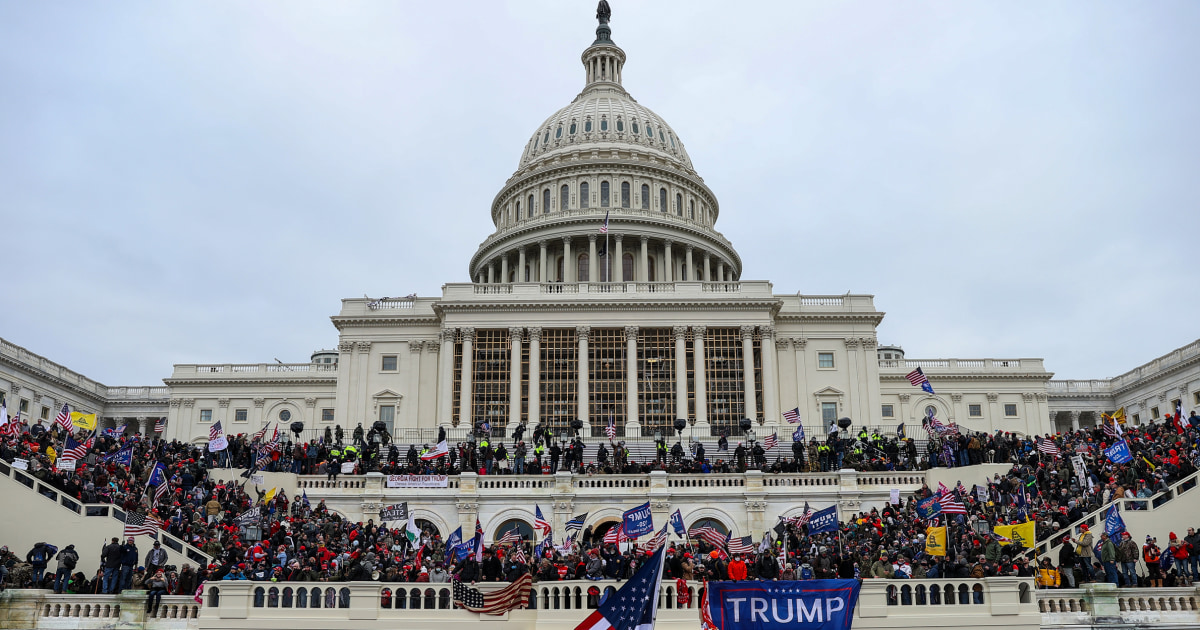
The overwhelming sentiment expressed is one of dark irony, cynicism, and moral outrage, with many readers expressing that the revelation of a Jan. 6 rioter possessing a massive collection of child pornography and violent animal abuse videos was entirely unsurprising. There is a pervasive belief that this case confirms a pattern of hypocrisy within the Republican and MAGA movements, where individuals who loudly condemn "satanic" or criminal behavior in their political opponents are themselves guilty of heinous crimes. The tone is heavily sarcastic, with frequent references to "feigning shock" and the idea that "it's always the ones you most suspect," suggesting that the intersection of political extremism and sexual predation is a well-known, albeit unacknowledged, reality. Beyond the specific case, the opinions reflect deep disgust at the disturbing details of the crimes, with many users expressing trauma or a need to "brain bleach" after reading about the violent content found on the suspect's laptop. There is significant anger directed at the perceived leniency of the sentence and the broader political system, with critics arguing that "tough on crime" rhetoric is a lie when applied to their own side while harsh penalties are demanded for others. The discussion frequently expands to a long list of other Republican figures accused of sexual misconduct, reinforcing a narrative that the party is rife with predators, and concludes with frustration that Democrats are not exploiting this story for political gain in the same way Republicans would if the roles were reversed.
r/news
Public Sentiment
The prevailing sentiment among readers is one of deep cynicism and alarm regarding the accelerating consolidation of the global food supply, viewing the McCormick-Unilever merger as a disturbing step toward a dystopian future dominated by a handful of mega-corporations. Many commenters express frustration that anti-trust laws have effectively vanished, allowing companies to merge into monopolies that they believe will stifle competition, lower product quality, and drive up prices for consumers already struggling with inflation. This anxiety is frequently expressed through dark humor and pop culture references, with users comparing the current trajectory to the corporate feudalism seen in films like *WALL-E*, *Idiocracy*, and *Cyberpunk*, fearing a reality where "BuyNLarge" becomes the norm and independent businesses are extinguished. Beyond the economic concerns, there is a strong undercurrent of distrust toward corporate branding and transparency, with many arguing that maintaining legacy names like McCormick is a deceptive tactic to mask the reality of ownership and impending "enshittification" of products. While some users point out that this level of consolidation is not entirely new, others insist the current scale is unprecedented and dangerous, leading to a sense of helplessness and burnout regarding the political will to enforce regulations. Despite the gloom, a few voices offer glimmers of hope by championing small, independent alternatives like Penzeys Spices or advocating for a return to "trust-busting" leadership, though the dominant mood remains that the public is being herded toward a singular, unaccountable corporate oligarchy with little recourse.
Public Sentiment
The prevailing sentiment among readers is one of deep skepticism and pessimism regarding the consolidation of the food distribution market. Many commenters fear that this $29 billion deal will cement a monopoly for Sysco, leading to reduced competition, higher costs for struggling restaurant owners, and a further decline in food quality for consumers. There is a strong consensus that this move will exacerbate the "blandness" of the American dining experience, with users joking about "Soylent Green" and criticizing the industry's reliance on lowest-cost ingredients to maximize profits. Beyond the immediate impact on food quality, the opinions reflect significant distrust in corporate power and regulatory oversight. Several readers express anger that the deal was allowed to proceed, attributing it to political corruption and a failure of the FTC to prevent monopolistic behavior. The general feeling is that small businesses, from food trucks to nursing homes, will be squeezed by rising wholesale prices, while corporate shareholders reap the benefits of vertical integration at the expense of the broader food ecosystem.
