Real-Time News Sentiment
Analysis of trending Reddit news — tracking public mood,
controversy, and key topics
1358 Stories Analyzed
80 Positive Sentiment
1167 Negative Sentiment

r/news
Public Sentiment
The prevailing sentiment is one of intense frustration, sarcasm, and betrayal, as readers directly link the surge in gasoline prices to Donald Trump's handling of the Iran conflict. Many express disbelief that the market is reacting positively to what they perceive as reckless geopolitical maneuvering, with comments highlighting the irony of "winning" rhetoric clashing with the reality of skyrocketing costs and broken promises of $2 gas. There is a pervasive sense that the administration's actions are prioritizing corporate profits and billionaire interests over the economic well-being of ordinary citizens, leading to accusations of incompetence, manipulation, and a deliberate disregard for the resulting stagflation and inflation. Beyond the immediate anger at rising fuel costs, the opinions reflect a deep cynicism toward political accountability and the stock market's irrational behavior, often attributed to AI-driven trading and passive fund mechanics. Readers frequently contrast current hardships with past campaign pledges, noting the silence of former supporters who now face the consequences of the very policies they endorsed. The discourse is saturated with dark humor and exhaustion, as people grapple with the feeling that the political system is rigged against them, with the ruling class profiting from chaos while the general public bears the brunt of higher prices for everything from gas to food, leaving many to question the stability of the economy and the competence of leadership.
Public Sentiment
The prevailing sentiment among readers is a mix of deep concern, cynicism, and resignation regarding the link between plastic chemicals and infant health. Many express a feeling of being overwhelmed by the insidious nature of plastic pollution, with some drawing parallels to historical environmental crises like leaded gas while doubting that society will unite to solve this issue as effectively as it did in the past. This anxiety is frequently punctuated by sarcasm directed at industry groups and regulatory bodies, as readers dismiss claims of safety from the American Chemistry Council as biased and untrustworthy, highlighting a significant lack of faith in official assurances. Despite the heavy tone, there is also a sense of grim irony and personal validation in the comments, particularly from those who attribute their own reproductive health to growing up in environments with less exposure to synthetic products. While some attempt to minimize the statistics by calling the death toll a "rounding error," the underlying emotion remains one of sadness and frustration over the environmental toll on human life. Ultimately, the discussion reflects a collective feeling that modern industrial convenience comes at a devastating, often invisible cost to future generations, leaving readers feeling helpless yet increasingly convinced that environmental factors are a primary driver of these health crises.
Public Sentiment
The general sentiment among readers is a mix of skepticism regarding the severity of the wage disparities and a strong defense of competitive compensation as a legitimate market force. Many commenters argue that offering significantly higher salaries to attract talent is a standard business practice rather than an unethical act, with some even suggesting that current pay rates at major firms like TSMC are artificially low compared to market value. There is a prevailing view that labeling high pay as "illegal poaching" is hypocritical, with several users pointing out that the United States has historically engaged in similar tactics to acquire technology and expertise, thereby framing the situation as a double standard or a critique of capitalism itself. However, a distinct portion of the discussion emphasizes the specific illegal methods alleged in the article, such as the use of shell companies and unauthorized offices to disguise ownership and bypass regulations. While some dismiss the investigation as an overreaction to normal hiring competition, others highlight that the core issue is not the salary offers themselves, but the deceptive and unauthorized nature of the recruitment operations. Ultimately, the opinions reflect a divide between those who view the situation as a necessary correction of underpaid engineers and those who condemn the covert, rule-breaking strategies employed by the Chinese firms to secure that talent.
Public Sentiment
The overwhelming sentiment among readers is one of deep cynicism and outrage, viewing the reported attempt to purchase a defense fund as yet another symptom of systemic corruption within the current administration. Many commenters express a belief that the government has become a vehicle for personal enrichment at the expense of the public, with frequent accusations of insider trading, war profiteering, and a complete lack of ethical accountability. There is a pervasive sense of hopelessness regarding regulatory bodies like the SEC, which are seen as compromised by political appointments, leading to a conviction that no legal consequences will follow these actions. The tone is often hostile, with calls for imprisonment or even harsher penalties for officials perceived as traitors who prioritize financial gain over the lives of soldiers and the stability of the nation. Despite this dominant anger, a minority of voices attempt to contextualize the event by noting that the transaction never actually occurred due to platform limitations or by pointing out that defense sector hype was already widespread in the investment community. However, these counterpoints are largely dismissed by the majority as weak excuses or attempts to whitewash what they see as a clear pattern of unethical behavior. The discourse frequently draws parallels to historical scandals and contrasts the situation with perceived double standards in political investigations, reinforcing a narrative that the entire administration is comprised of criminals. Ultimately, the general feeling is that the public has been exploited, with the administration viewed as a "grift" that has successfully stolen wealth while rendering the currency and trust in institutions nearly worthless.
r/news
Public Sentiment
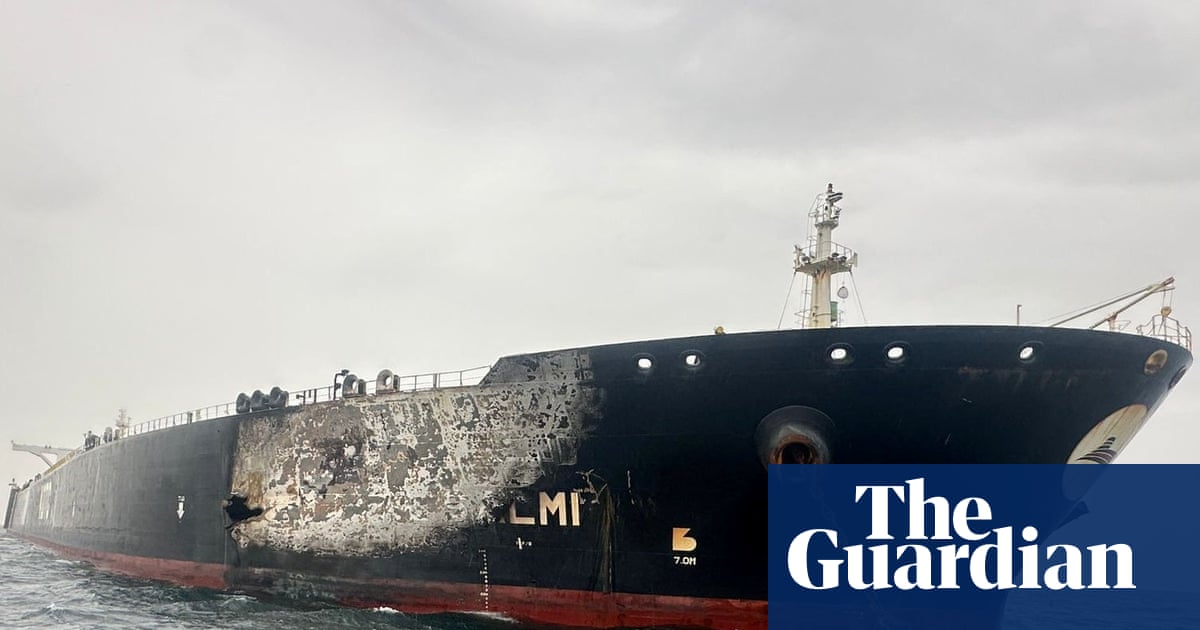
The prevailing sentiment among readers is a mix of cynical frustration and moral outrage regarding the escalation of conflict, with many viewing Iran's attacks on merchant shipping as a predictable, albeit dangerous, retaliation against US and Israeli military aggression. While some comments express support for harsh countermeasures or mock political figures like Trump and Rubio for their perceived hypocrisy and ignorance of the region's dynamics, a significant portion of the discourse condemns the targeting of non-combatants and the potential humanitarian catastrophe of striking desalination plants. There is a strong undercurrent of irony and anger directed at Western powers for claiming moral high ground while engaging in what readers describe as illegal wars and war crimes, with many arguing that the Gulf states are being used as pawns and that the US is the primary aggressor provoking these cycles of violence. Underlying the debate is a deep sense of helplessness and disillusionment with the geopolitical machinery, where the suffering of civilians in the Middle East is seen as an inevitable byproduct of superpower posturing and domestic political maneuvering. Readers frequently highlight the disconnect between political rhetoric and the grim reality on the ground, noting that the US and its allies are unwilling to de-escalate despite the clear risks to regional stability and global water security. The general feeling is one of exhaustion with a conflict where every side is accused of hypocrisy, and where the ultimate victims are ordinary people caught in a war driven by oil interests, ideological rigidity, and a lack of accountability from world leaders who seem indifferent to the human cost of their actions.

r/news
Public Sentiment
The general sentiment among readers is largely supportive of abolishing junior pay rates, with many viewing the move as a long-overdue correction to an unfair system where 18-year-olds were legally adults yet paid less than their older colleagues. Several commenters expressed strong personal grievances about past exploitation by major retailers, describing the previous wage structure as a mechanism for corporations to profit from cheap labor while young workers struggled to survive. This perspective is reinforced by those currently working in vocational support, who see the change as a vital step to help disadvantaged youth thrive and prevent them from giving up due to financial hardship. However, the discussion is not entirely unanimous, as some voices raise concerns about potential negative economic consequences, specifically the fear that employers might reduce hiring of young people or prioritize experienced workers to avoid increased costs. While a few commenters suggest that loyal employees naturally deserve higher pay as they mature, others, particularly from an international perspective, highlight the stark contrast between this reform and the acceptance of exploitative labor practices elsewhere. Overall, the prevailing mood is one of cautious optimism, balancing the moral imperative of fair wages with practical worries about how the labor market will adapt to the new regulations.
Public Sentiment
The overwhelming sentiment among readers is one of fierce opposition to the far-right's call to return to Russian energy, viewing it as a dangerous, naive, and potentially treasonous strategy that would fund an aggressor nation while undermining European security. Many commenters express deep frustration with the AfD's perceived hypocrisy and close ties to Russia, arguing that the party exploits public anger over high fuel prices to push an agenda that ignores the long-term necessity of energy independence through renewables and nuclear power. There is a strong consensus that relying on Russia is a strategic folly that would only strengthen an authoritarian regime, with many criticizing the slow pace of Germany's green transition as a failure of past leadership rather than a reason to revert to fossil fuel dependence on a hostile neighbor. Beyond the energy debate, the discussion reveals a profound anxiety about the fragility of democracy and the difficulty of banning extremist parties within the current legal frameworks of Germany and the US. Readers frequently draw parallels between the rise of the far-right in Europe and the political polarization in America, noting how established parties often fail to address voter concerns on issues like immigration and cost of living, thereby ceding ground to populists who offer simplistic, dangerous solutions. While some argue for stricter measures to curb foreign interference and ban unconstitutional parties, others lament the systemic inertia and fear of setting precedents that allow these groups to grow, creating a sense of helplessness as democratic institutions appear unable to stop the erosion of their own foundations from within.

r/news
Public Sentiment
The general sentiment among readers is overwhelmingly negative, characterized by skepticism regarding the policy's economic impact and accusations of underlying anti-immigrant bias. Many commenters argue that the move will severely harm small businesses and the broader economy, with some sarcastically noting that it will surely benefit the economy. There is a strong perception that the restriction targets legal residents, such as green card holders, and reflects a broader political hostility toward immigrants rather than a genuine financial necessity. Additionally, readers express concern about the practical consequences of cutting off this specific funding source. While some clarify that SBA loans are not always low-interest, they emphasize that the lack of collateral requirements is the primary benefit for many entrepreneurs. Critics warn that eliminating these options will force business owners toward predatory lending, potentially creating a dangerous rise in loan sharks. The consensus suggests that this policy shift is viewed as a harmful overreach that ignores the legal status of immigrants and creates significant financial risks for the community.
r/news
Public Sentiment
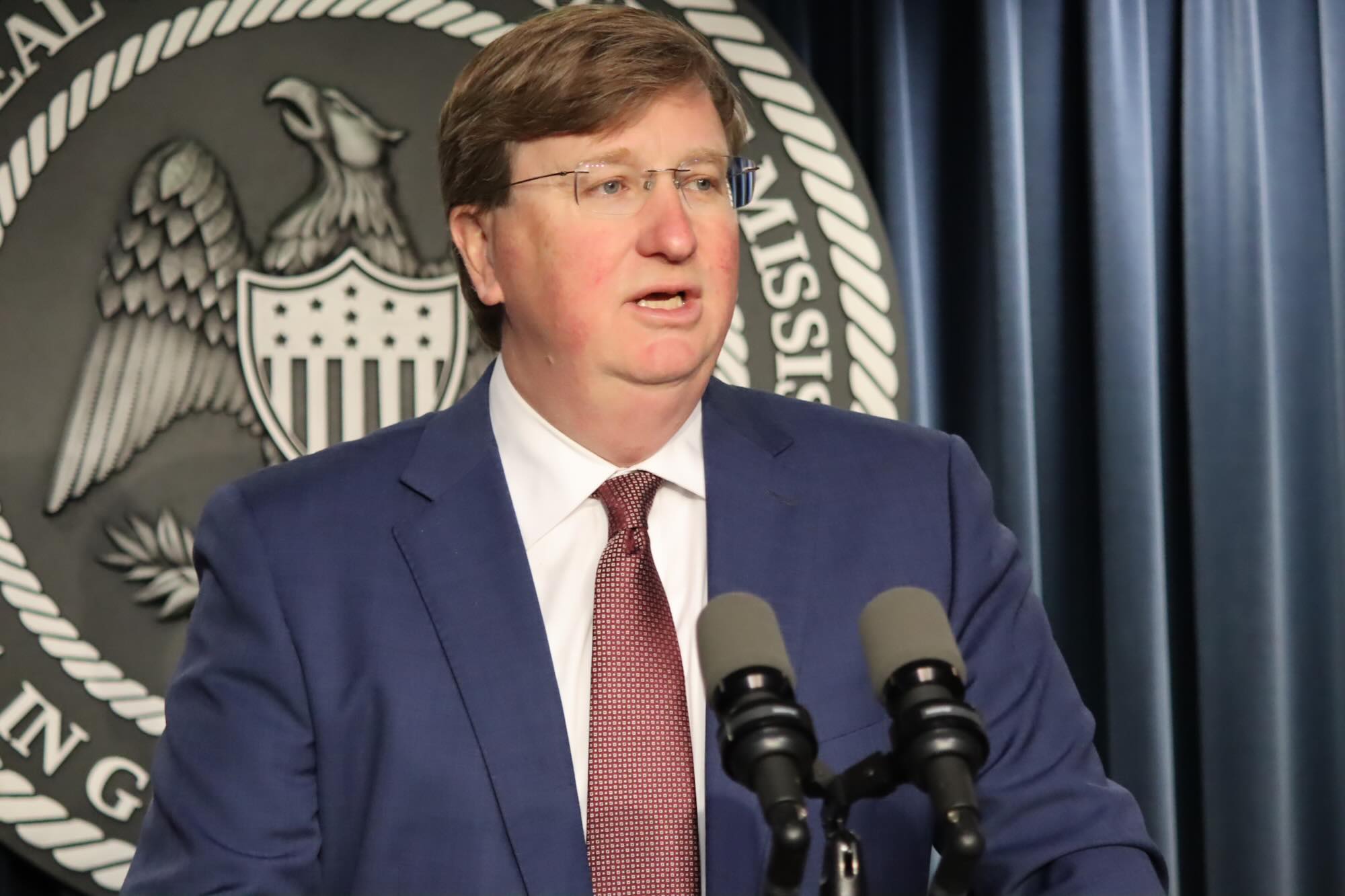
The prevailing sentiment among readers is one of outrage and ridicule directed at Governor Reeves for vetoing the winter storm aid bill, with many interpreting his actions as an attempt to impose predatory 12% interest rates on local governments rather than the intended 1% annual rate. While a small minority acknowledges the procedural concern regarding bill amendments, the vast majority dismisses the Governor's claims as a transparent excuse, citing the article's timeline which proves the interest rate change occurred before the bill was sent for signature. This has led to widespread mockery of the Governor's intelligence and character, with frequent comparisons to cartoonish figures like Peter Griffin, and a general consensus that the veto prioritizes political posturing over helping storm victims. Beyond the specific legislative dispute, the comments reflect deep cynicism regarding Mississippi's political landscape, education system, and the electorate that supports such leadership. Many users attribute the state's struggles to systemic issues like voter suppression, low educational standards, and a populace trapped in misinformation bubbles, though some note recent improvements in reading scores. The discussion frequently devolves into harsh criticism of the Republican party's perceived corruption and self-interest, with residents expressing a sense of resignation that the state's leadership will continue to fail its people due to a combination of incompetence and a voter base that is either disenfranchised or unwilling to change.
r/news
Public Sentiment
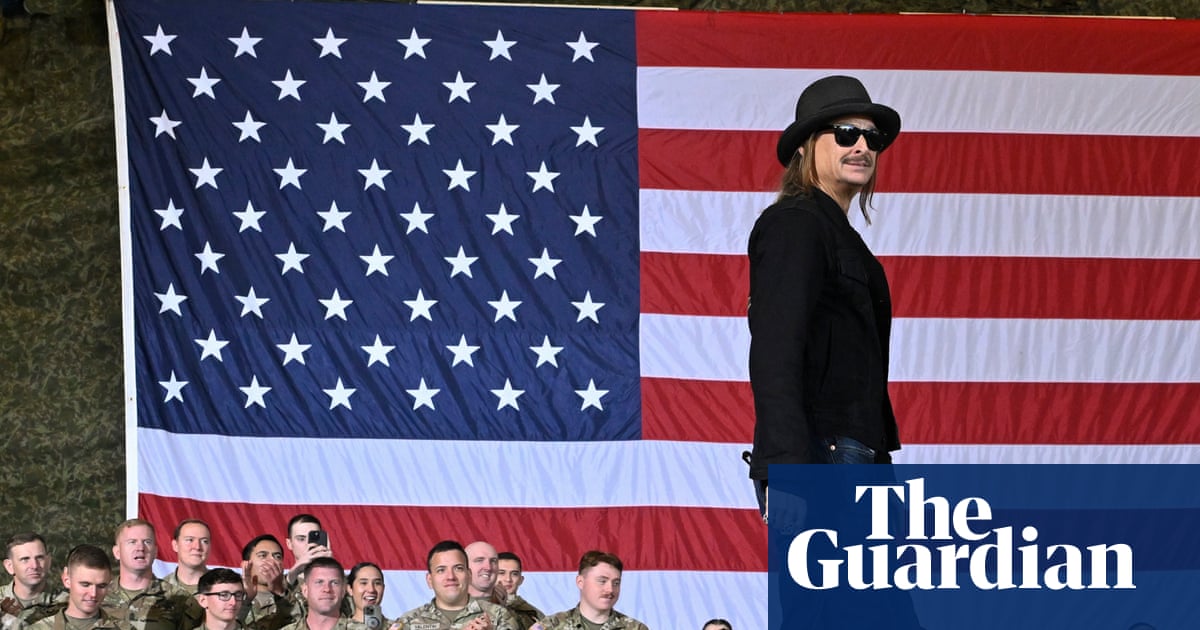
The prevailing sentiment among readers is a potent mix of deep embarrassment, anger, and cynical resignation regarding the use of military resources for a celebrity stunt. Many view the incident as a stark symbol of national decline, drawing frequent comparisons to the dystopian satire of *Idiocracy* and feeling that the movie has shifted from comedy to prophecy. There is a widespread sense of shame for the country's direction, with users expressing frustration over the perceived prioritization of political posturing and celebrity appeasement over public welfare, education, and rational governance. Underlying this outrage is a profound distrust of the current political leadership and a belief that the nation is being led by a "cult" of irrationality. While some express hopelessness or dark humor about the situation, others are actively angry at the electorate and the administration for enabling such behavior, describing the atmosphere as one of humiliation and impending disaster. The conversation frequently touches on the erosion of standards, the failure of the education system, and the feeling that the government is no longer serving the public interest but rather indulging in performative displays that alienate reasonable citizens.
![Article image for: [UK] Court of appeal says it cannot rule on which identical twin fathered a child](https://i.guim.co.uk/img/media/8599df330144f9b3739fc6f22b5d884765a56221/576_595_4187_3350/master/4187.jpg?width=1200&height=630&quality=85&auto=format&fit=crop&precrop=40:21,offset-x50,offset-y0&overlay-align=bottom%2Cleft&overlay-width=100p&overlay-base64=L2ltZy9zdGF0aWMvb3ZlcmxheXMvdGctZGVmYXVsdC5wbmc&enable=upscale&s=3c33978910eef9b2b083bcbd45a5b1e3)
r/news
Public Sentiment
Readers express a mix of confusion regarding the legal complexities and amusement at the absurdity of the situation, with many joking that the case belongs on a reality TV show like Maury. While some are baffled by the procedural details of which twin holds parental rights, others view the inability to distinguish the fathers through standard testing as a "genetic skill issue" or a bizarre biological loophole. The tone is largely lighthearted and sarcastic, treating the legal stalemate as a spectacle rather than a serious judicial failure. Despite the humor, there is an underlying acknowledgment of the practical and financial hurdles, with comments noting the high cost of deep genome sequencing required to solve the mystery. A few readers voice genuine concern for the child's well-being and future stability amidst the dispute, while others speculate on extreme biological possibilities like chimerism. Ultimately, the sentiment balances between mocking the convoluted nature of the case and recognizing the real-world implications for the family involved.

r/news
Public Sentiment
The general sentiment surrounding the article is a chaotic blend of crude humor, sexual innuendo, and serious public health concern. A significant portion of the comments devolve into jokes about "eating ass," "up dog," and the specific mechanics of transmission, often mocking the behavior that facilitates the spread of Shigella. While many users dismiss the topic with sarcasm or express disgust at the sexual practices involved, there is an underlying acknowledgment that poor hygiene, such as not washing hands after using the restroom, is a major contributor to the problem. Beyond the levity, a substantial number of readers shift the focus to the critical issue of antibiotic resistance, debating the roles of over-prescription by doctors, patient non-compliance, and the agricultural industry's use of antibiotics in livestock. There is also a nuanced discussion regarding sexual behavior, with some arguing that the rise in cases is linked to high partner counts within specific communities rather than sexual orientation itself, while others emphasize that anyone engaging in unprotected anal-oral contact is at risk. Ultimately, the conversation oscillates between mocking the "gross" nature of the transmission and recognizing the existential threat posed by superbugs and the misuse of medical treatments.
