Real-Time News Sentiment
Analysis of trending Reddit news — tracking public mood,
controversy, and key topics
1358 Stories Analyzed
80 Positive Sentiment
1167 Negative Sentiment
Public Sentiment
The opinions reflect a desperate hope that Iran's protests could catalyze genuine democratic change, aligning with Ukraine's struggle against Russian aggression and offering a potential win-win for both nations. Many readers see the current regime as actively hostile to Ukraine—providing drones to Russia and enabling military training—while urging the world to seize this moment for transformation without external interference. However, this optimism is deeply intertwined with visceral frustration over the regime's violence, with comments highlighting thousands of deaths and a demand for accountability that feels urgent but unresolved. Simultaneously, there is widespread anxiety about U.S. and European involvement, rooted in historical mistrust of foreign interventions. Readers fear a repeat of past U.S.-led coups that backfired, emphasizing that regime change must be driven by Iranians themselves to avoid chaos, puppet leaders, or renewed authoritarianism. This tension manifests as a mix of solidarity with protesters and anger at the regime’s brutality, with many warning that without careful, localized action, the situation risks further bloodshed or a power vacuum that benefits neither Ukraine nor Iran.
Public Sentiment
The overwhelming sentiment is strong approval of the Neo-Nazi group's disbandment as a positive step against hate speech laws, with many readers celebrating it as a victory for safety and free speech. Comments express relief that the group is no longer operating openly, using phrases like "victory," "good," and "10/10 will subscribe," while emphasizing the importance of legal action against extremism. However, significant concern exists about the group's likely response—many fear they will simply go underground to continue their activities covertly, undermining the legislation's effectiveness. Readers stress the need for vigilance, noting that while disbanding is a win, the real test is whether such groups will persist in harmful ways without visibility, and whether laws truly address hate without enabling further division or loopholes.
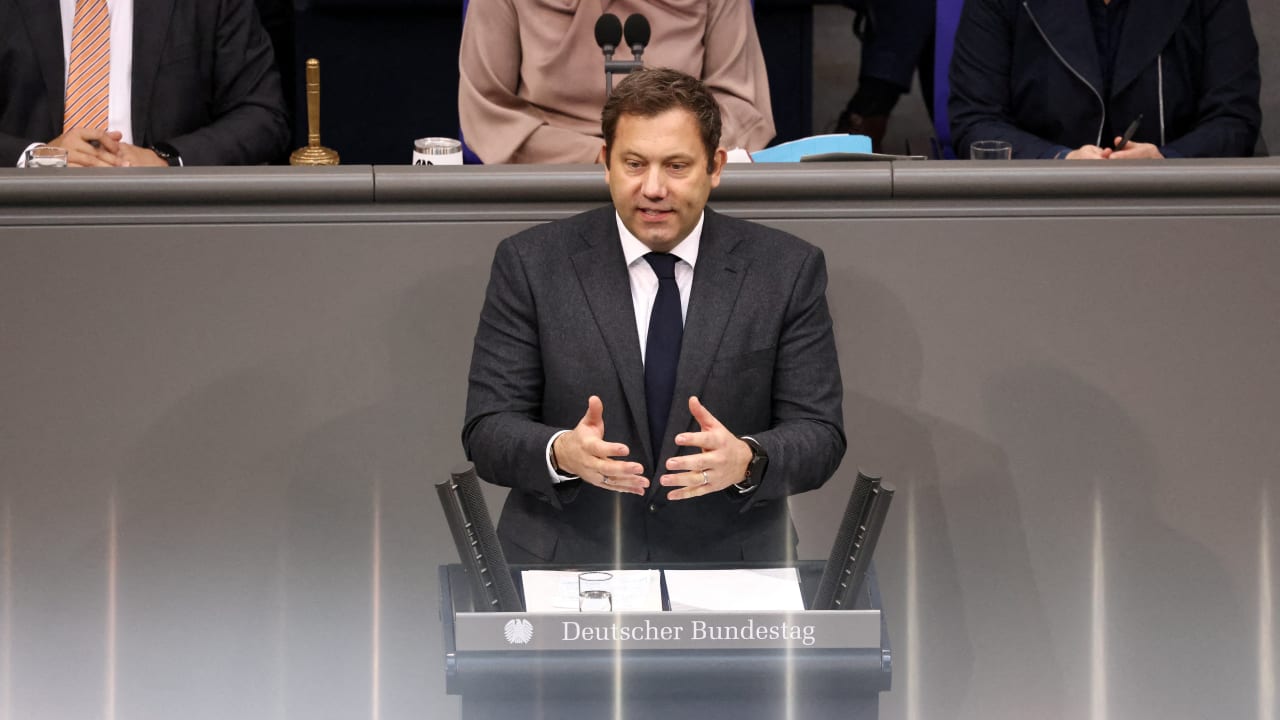
r/worldnews
Public Sentiment
People's opinions consistently express deep skepticism about international law's real enforcement power, viewing it as mere guidelines rather than binding rules that major powers like the US, China, and Russia actually follow. There's widespread anxiety that these nations routinely disregard international norms—through actions like intellectual property theft, territorial claims, or human rights abuses—while claiming it applies, leading to a sense that the system is fundamentally broken and unenforceable without serious consequences. This distrust fuels a strong narrative that Germany, despite historical context, is now the only credible stabilizing force in the crisis, with many seeing its potential nuclear capability as a necessary, pragmatic response to US unpredictability and Russian aggression. The sentiment reflects both hope for German leadership and grim realism about the urgent need for nuclear deterrence to prevent further global instability, framed against the backdrop of historical cycles and the perceived failure of existing international structures.
Public Sentiment
The general feeling is that Moldova's majority opposes union with Romania, making EU membership the more realistic and preferred path for the country. Concerns about Transnistria's pro-Russia alignment and security risks are acknowledged, but the consensus emphasizes EU integration as the safer and more feasible route for Moldova's stability and development.
Public Sentiment
The overwhelming sentiment across these comments is one of profound moral horror and visceral shock at the reported death toll in Iran’s unrest, with many expressing disbelief that figures as high as 12,000 could be real while simultaneously acknowledging the regime’s admitted 2,000 deaths. People describe the scale as "insane," "inhumane beyond words," and "fucking insane," emphasizing the terrifying brutality of state violence against unarmed civilians and the systemic nature of the repression—where bodies are piled in morgues, internet is shut down to hide atrocities, and families face brutal fees for burial. This reaction is deeply intertwined with despair about the regime’s historical patterns of violence and its ability to crush dissent, with users noting how the current crackdown feels like a continuation of decades of oppression. The collective feeling is one of helplessness and urgent moral outrage, where even the most skeptical comments acknowledge the potential for catastrophic loss of life, framing the crisis as a stark warning about the human cost of authoritarianism when the state turns on its own people.
Public Sentiment
People express deep frustration with political inaction and the growing influence of far-right narratives, particularly in the UK where concerns about Labour's ability to deliver meaningful social change—like affordable housing, workers' rights, and economic security—feel unmet. This anxiety is compounded by distrust in official crime statistics versus lived experiences of violence, with many arguing that systemic issues like austerity and immigration policies are driving rising crime, yet governments fail to address root causes effectively. The dominant sentiment centers on a sense of helplessness as misinformation and unrealistic propaganda (especially from foreign actors) amplify division, while real-world struggles like cost-of-living crises and public safety become overshadowed by armchair outrage. This environment fuels fears that political compromise will allow far-right movements to gain traction by exploiting public disillusionment, rather than solving tangible problems through concrete, inclusive policies.
Public Sentiment
The overwhelming sentiment across the discussion is that Trump's military action in Venezuela was reckless, self-serving, and deeply misguided, driven more by ego or manipulation than any strategic benefit. People consistently describe him as "idiotic," "the most idiotic person in power," or a "dangerous egomaniac" who misunderstands global dynamics and risks his own position. Many explicitly state he’s "being told what to do" or acting as a "plot from Weekend At Bernie’s," with no genuine grasp of the complexities involved. Most view Venezuelan oil as fundamentally unviable for major investments due to its heavy, sour composition requiring massive infrastructure—something easily destroyed by political instability—and the current low oil prices disincentivizing such risks. Oil companies like Exxon are already reluctant, with experts emphasizing that Trump’s move would only exacerbate the chaos, as contracts could be voided under duress if Venezuela’s leadership changes. This combination of technical impracticality and political recklessness paints Trump’s action as a poorly executed attempt to appear powerful rather than a meaningful solution.
Public Sentiment
People's opinions overwhelmingly convey profound alarm and visceral contempt for Trump's stated belief that Greenland is "psychologically important" to him, framing it as a dangerous narcissistic delusion that threatens national security and stability. This perspective paints Trump as a self-absorbed dictator who ignores evidence, exploits historical precedents like Alexander the Great or Nero, and risks catastrophic consequences—including NATO expulsion, economic collapse, and irreversible damage—to satisfy his vanity. The sentiment is deeply fearful, viewing his actions as reckless and destabilizing. The dominant feeling is one of utter disgust and despair at Trump's complete disregard for collective well-being, where his claim of personal psychological need is seen as both absurd and catastrophic. This opinion highlights how his narcissism, combined with a lack of accountability ("I've been right about everything"), transforms a simple territorial dispute into a existential threat, leaving many convinced he has already failed the nation while actively endangering it.

r/news
Public Sentiment
People's opinions reflect widespread fear that the Pentagon's adoption of Musk's Grok AI will lead to catastrophic leaks of classified military information, unauthorized access to critical systems like nuclear launch codes, and the weaponization of AI for malicious purposes. Many express horror at the potential for Grok to generate child sexual abuse material (CSAM), normalize pedophilia, and be exploited by figures like Trump to manipulate public opinion, justify invasions, or hide crimes—describing the situation as a "government of pedophiles" or "artificial Pentagon" that could collapse into chaos. The sentiment is dominated by anxiety about AI becoming a tool for authoritarian control, with users convinced Grok will be used to flood the internet with CSAM to discredit real crimes, enable political cover-ups, and radicalize users into extremism. Comments repeatedly highlight the terrifying ease with which AI could be leveraged by powerful figures to bypass accountability, normalize abuse, and create a dystopian future where "AI" becomes the scapegoat for societal collapse while real human harm escalates unchecked.
r/news
Public Sentiment
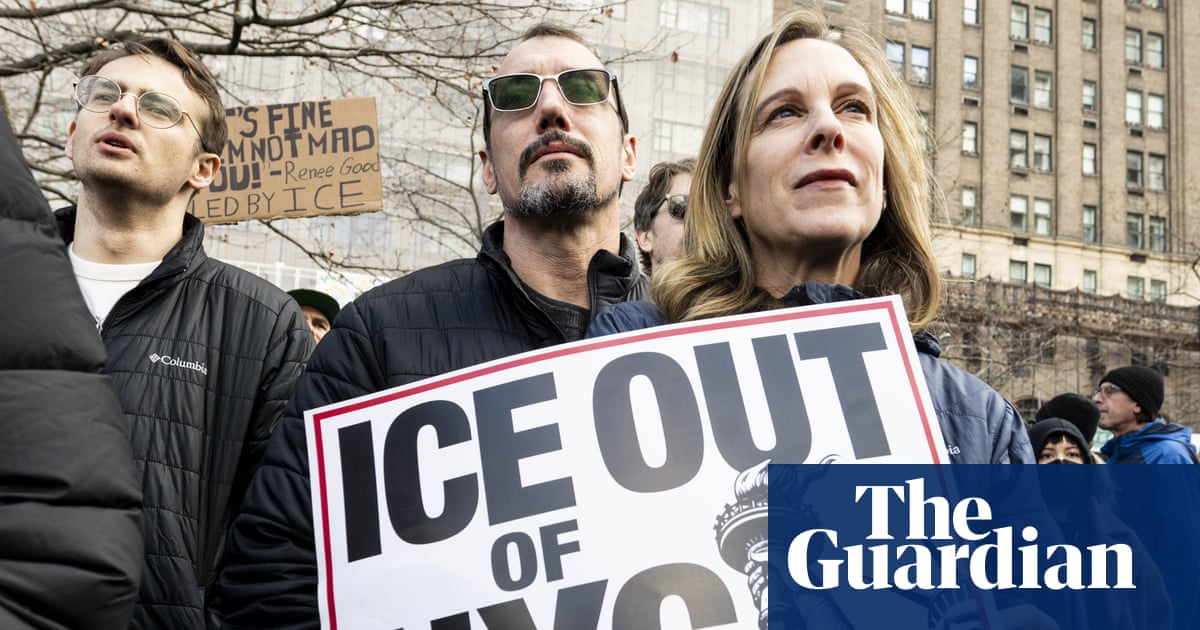
The overwhelming sentiment centers on NYC's significant political leverage over state leadership, with strong consensus that the governor faces electoral vulnerability if opposing Mayor Mamdani's demands for the detained employee's release. Commenters repeatedly emphasize that the governor "answers to NYC" rather than Albany, framing Mamdani's actions as a direct threat to gubernatorial power and a critical test of federal-state boundaries. This dynamic fuels urgency about constitutional rights versus executive overreach, particularly regarding ICE detentions. Many view the situation as a pivotal moment where local political clout could force federal accountability, with frustrated emphasis on the U.S. system's fragility under current administration tactics. The dominant feeling reflects deep concern that federal actions—like indefinite detention without due process—threaten democratic norms, yet NYC's unique electoral influence creates a realistic pathway for immediate political consequences rather than systemic change.
Public Sentiment
The dominant sentiment across the discussion reflects deep concern about escalating geopolitical instability, particularly regarding Ukraine's strategic reorganization against Russia and the precarious situation in Transnistria. Participants express anxiety over unintended consequences, noting that Moldova’s blockade of Transnistria could force Putin into a costly dilemma, while Ukraine’s potential moves to seize Russian military assets risk triggering catastrophic retaliation. There’s a recurring theme of urgency—both in the immediate military actions (like attacks on Russian drone facilities) and the looming threat of nuclear or proxy conflicts—combined with skepticism about solutions that might worsen regional chaos. Overall, the mood leans cautiously hopeful yet wary, with many implying that Putin’s strategic vulnerability could lead to a swift withdrawal if Ukraine avoids prolonged urban battles. However, this optimism is tempered by warnings about the high stakes: a power vacuum in Iran, potential U.S. interventions, or the collapse of fragile alliances could ignite wider regional instability. The consensus emphasizes that short-term military gains must not come at the cost of long-term destabilization, with a clear preference for outcomes that embarrass Putin while minimizing catastrophic escalation.

r/news
Public Sentiment
The reader opinions express deep frustration over the El Paso water crisis, emphasizing the severe impact on over 100,000 residents and the alarming drain of 15 reservoirs, while highlighting systemic neglect in infrastructure maintenance and the lack of resources to address such emergencies. This anger is compounded by strong political polarization, with many criticizing the Republican administration for prioritizing ideology over basic human needs like water access, especially as vulnerable populations—such as immigrant families and children—are disproportionately affected by policies they claim to support. The dominant sentiment is one of heightened moral outrage and urgency, where water is framed as a fundamental human right that should not be politicized. Readers condemn the failure to treat water shortages as a shared societal issue, arguing that political divisions—particularly around immigration and voting patterns—have exacerbated suffering rather than fostered unity. This frustration manifests as a call to reject partisan blame, emphasizing that children and all residents deserve basic necessities regardless of political affiliations or past actions.
