Real-Time News Sentiment
Analysis of trending Reddit news — tracking public mood,
controversy, and key topics
1358 Stories Analyzed
80 Positive Sentiment
1167 Negative Sentiment
r/news
Public Sentiment
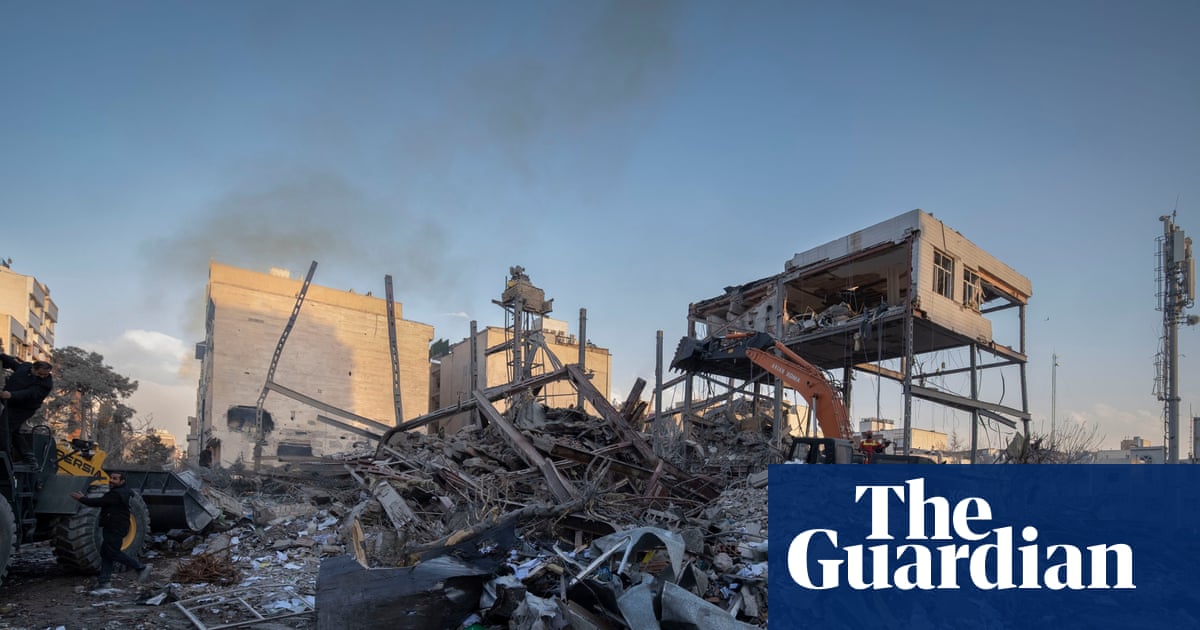
The general feeling is one of outrage and skepticism toward the U.S. and Israel’s military actions in Iran, with many condemning the civilian casualties as a direct result of reckless aggression. Comments highlight hypocrisy, pointing out that those who claim to care about human rights in Iran often support policies that enable war crimes, while dismissing accountability for past atrocities. Skepticism surrounds the reported death toll, with some questioning the credibility of sources and accusing the Iranian government of inflating numbers. The tone is deeply critical of leaders like Hegseth, framing their rhetoric as justification for escalating violence and war crimes. There is also a sense of disillusionment with the war’s motives, with many arguing it serves geopolitical and economic interests rather than genuine liberation. Fear of further escalation, including the use of heavy weaponry and chemical agents, is widespread, alongside frustration over the lack of moral clarity in the conflict. The discussion underscores a broader distrust in Western narratives, with calls for accountability and condemnation of both sides’ violence, while rejecting simplistic binaries of “good vs. evil” in a war driven by power and ideology.

r/news
Public Sentiment
The general feeling is one of frustration and accusations of political bias, with many readers believing the Supreme Court inconsistently applies the law. Critics argue that Texas’s racially motivated gerrymandering was allowed while New York’s race-based redistricting was deemed unconstitutional, despite both involving racial considerations. Some claim the Court favors political gerrymandering over racial equity, with one user sarcastically noting, “Racial bias is perfectly fine, but political biases aren’t!!” Others accuse the Court of enabling partisan control, with Texas’s actions framed as a “war on Jesus” and New York’s efforts to boost minority representation labeled as racist. The perceived hypocrisy fuels anger, as users see the Court as prioritizing Republican interests over constitutional principles. The second paragraph highlights confusion and debate over California’s redistricting, with some users questioning why it wasn’t deemed unconstitutional despite being a political gerrymander. Others argue the Court’s role is to uphold federal law, not state democracy, and that voters’ decisions shouldn’t override constitutional rulings. The frustration extends to broader distrust in the Court’s legitimacy, with users comparing its actions to Citizens United and warning of a “descent into one-party rule.” Overall, the sentiment is a mix of outrage at perceived judicial overreach, confusion over legal distinctions, and a sense that the Court is undermining democratic processes for partisan gain.

r/news
Public Sentiment
The public is overwhelmingly frustrated and angry over the lack of accountability for federal immigration officers involved in the deaths of Renee Good and Alex Pretti, with many demanding justice and condemning the federal government’s obstruction of evidence. Comments highlight a deep distrust in federal authorities, citing historical cover-ups, destroyed evidence, and legal barriers that shield officers from prosecution. There’s a strong call for state-level investigations, new laws to bypass federal immunity, and the use of video footage as proof of misconduct, despite skepticism about the likelihood of convictions due to political and legal hurdles. A sense of urgency and desperation permeates the discourse, with many urging immediate action and rejecting empty promises of “could” or “may” bring charges. While some express hope that the Minnesota prosecutor’s investigation will set a precedent, others remain skeptical, fearing political retaliation or systemic inaction. The frustration is compounded by a belief that the government is lawless and that only sustained public pressure can force accountability, even as calls for radical measures like capital punishment or impeachment reflect the intensity of the anger.

r/news
Public Sentiment
The general feeling is a mix of frustration and skepticism toward external interventions and the Iranian government’s actions. Many express disillusionment with the US and Israel’s role, criticizing their lack of support for Iranians and the potential for further conflict, while others question the effectiveness of military or technological solutions like Starlink. There’s also widespread concern over the refugee crisis and the regime’s control over citizens, with some dismissing the idea that people would overthrow their government without external backing. A second wave of sentiment focuses on the internet blackout as a tool of control and the broader implications for global surveillance. Discussions highlight distrust in political systems and calls for resistance against authoritarianism, though debates persist about the feasibility of arming rebels or providing aid. The tone oscillates between hope for change and cynicism about the likelihood of meaningful progress, with many emphasizing the human cost of prolonged conflict and the need for accountability.
Public Sentiment
The general feeling is a mix of frustration and skepticism toward Trump’s foreign policy, with many blaming his business ties in the Middle East and perceived aggression toward Iran for escalating tensions. Comments highlight distrust in military defenses like Iron Dome and Patriot missiles, questioning their effectiveness against Iranian threats. There’s also anger over the attack on the embassy, seen as a failure of US protection and a symbol of Trump’s alleged disregard for American safety. The second paragraph reflects a blend of cynicism and dark humor about war, with some mocking Trump’s potential for further conflict and others dismissing the situation as a distraction from domestic issues. There’s underlying concern about regional instability, the cost of wars, and the moral implications of US involvement, alongside sarcastic remarks about political blame and the absurdity of military responses.

r/news
Public Sentiment
The general feeling is one of frustration, anger, and confusion, with many readers struggling to parse the convoluted headlines and the Supreme Court’s decision. People express exasperation with the legal jargon and the perceived manipulation of language to obscure the ruling’s implications, while others are deeply upset by the ruling’s potential to expose transgender students to familial hostility, abuse, or conversion therapy. There’s a sense of betrayal toward the Court and political institutions, with many feeling the decision prioritizes religious freedom and conservative agendas over the safety and rights of LGBTQ youth. A pervasive sense of despair and isolation lingers, as readers grapple with the broader cultural and political battles over transgender rights, framing the issue as part of a larger war against diversity and individual autonomy. Many feel marginalized by a society that views their existence as political or expendable, with some expressing radical disillusionment with both parties and the system. Yet, amid the anger, there’s also a thread of solidarity, as people acknowledge shared struggles and the urgent need to resist what they see as systemic oppression.

r/news
Public Sentiment
The general feeling is a mix of frustration and cynicism toward Trump’s policies and the legal battles surrounding tariff refunds, with many expressing anger over the financial burden on ordinary Americans and the perceived corruption of the system. Critics mock Trump’s supporters for their blind loyalty, while others lament the inequity of refunds going to corporations rather than consumers, calling the situation a “con job” and a betrayal of fiscal responsibility. There’s also widespread skepticism about the courts’ role, with some arguing the legal process is a farce or a way for elites to profit, while others feel powerless against the system’s collapse. A pervasive sense of resignation and bitterness dominates, as people question the fairness of the outcomes and the lack of accountability for Trump’s actions. Many sarcastically suggest the refunds should be tied to Trump’s signature or used for personal gain, highlighting a deep distrust in leadership and institutions. The tone oscillates between outrage at the political class and a resigned acceptance of systemic failures, with some humor masking underlying despair over economic hardship and political corruption.
Public Sentiment
The general feeling is a mix of frustration, skepticism, and resignation about the shipping crisis, with many expressing concern over rising costs, inflation, and disrupted supply chains. Comments highlight the potential for prices to spike again, with some mocking the idea of "affordability" as a hoax, while others question the 10% figure, arguing it’s misleading or exaggerated. There’s also anxiety about the broader economic impact, with worries about global trade, oil prices, and the long-term effects of geopolitical tensions. Amid the concerns, there’s a blend of dark humor and political blame, with some mocking Trump’s role in escalating the crisis and others joking about the chaos as a meme-worthy event. Many acknowledge the severity of the situation but remain skeptical about its long-term consequences, while others express hope that prices will eventually stabilize. The tone oscillates between dread over economic instability and a resigned acceptance of the status quo, with some even suggesting the crisis is a "classic trope" of political and corporate mismanagement.

r/news
Public Sentiment
The general sentiment is divided, with strong support for ending the twice-yearly time changes and adopting permanent daylight saving time (DST) or standard time, but with heated debates over which option is better. Many argue that permanent DST offers economic benefits, like more evening daylight for activities and reduced traffic accidents, while others warn of health risks like circadian misalignment, sleep disorders, and increased obesity rates. Critics of DST highlight its negative impact on northern regions, where later sunsets and darker mornings disrupt routines, while proponents emphasize the convenience of consistent schedules and reduced confusion. There is also frustration over political and legal barriers, particularly in the U.S., where federal laws hinder state-level changes, and in Canada, where provinces like Ontario face delays due to interprovincial and interstate coordination. Some advocate for flexible work hours instead of a one-size-fits-all solution, while others call for permanent standard time to align better with natural light cycles. Despite the divide, a common thread is the desire to eliminate the annual clock changes, with many expressing hope that BC’s decision will pressure other regions to follow suit.

r/news
Public Sentiment
The general feeling is a mix of amusement and delight at the quirky, unexpected news story, with many readers expressing a fondness for its lighthearted and whimsical tone. Comments highlight the charm of the owl’s peaceful presence, the humor in its accidental blending with antiques, and the satisfaction of a harmless, almost magical discovery. Some readers appreciate the contrast between the mundane setting of an antique store and the surreal, almost folklore-like scenario, while others enjoy the absurdity of imagining the owl as a potential harbinger of doom, blending humor with a touch of dark irony. The tone also reflects a broader appreciation for the story’s uniqueness, with some noting its refreshing departure from typical news formats. While a few comments hint at fatigue from the absurdity or the unpredictability of the situation, the overall sentiment leans toward affectionate curiosity and a desire for more such “odd but endearing” moments in media. The blend of humor, wonder, and a dash of sarcasm underscores a collective enjoyment of the story’s whimsy and its ability to spark playful speculation.
Public Sentiment
The general feeling is one of frustration and anger toward Trump’s leadership, with many criticizing his handling of the Iran conflict as reckless and politically motivated. Comments highlight distrust in the administration’s transparency, with some suggesting the casualty numbers are being downplayed or manipulated to avoid accountability. There’s widespread resentment over Trump’s focus on personal distractions, like his Mar-a-Lago events, while troops face danger, and outrage at the lack of meaningful congressional oversight. The war is seen as a distraction from deeper issues, with critics linking it to Trump’s attempts to stay relevant and deflect from scandals. A sense of dread and skepticism surrounds the conflict’s escalation, with many fearing it could spiral into a larger regional disaster. Comments express concern over the human cost, questioning the justification for the war and its impact on both American and global stability. There’s also frustration with the political polarization, as some argue the Republican Party’s protection of Trump undermines accountability, while others worry about the long-term damage to the country’s reputation and security. The tone is one of disillusionment, with many feeling the situation is spiraling out of control.
r/news
Public Sentiment
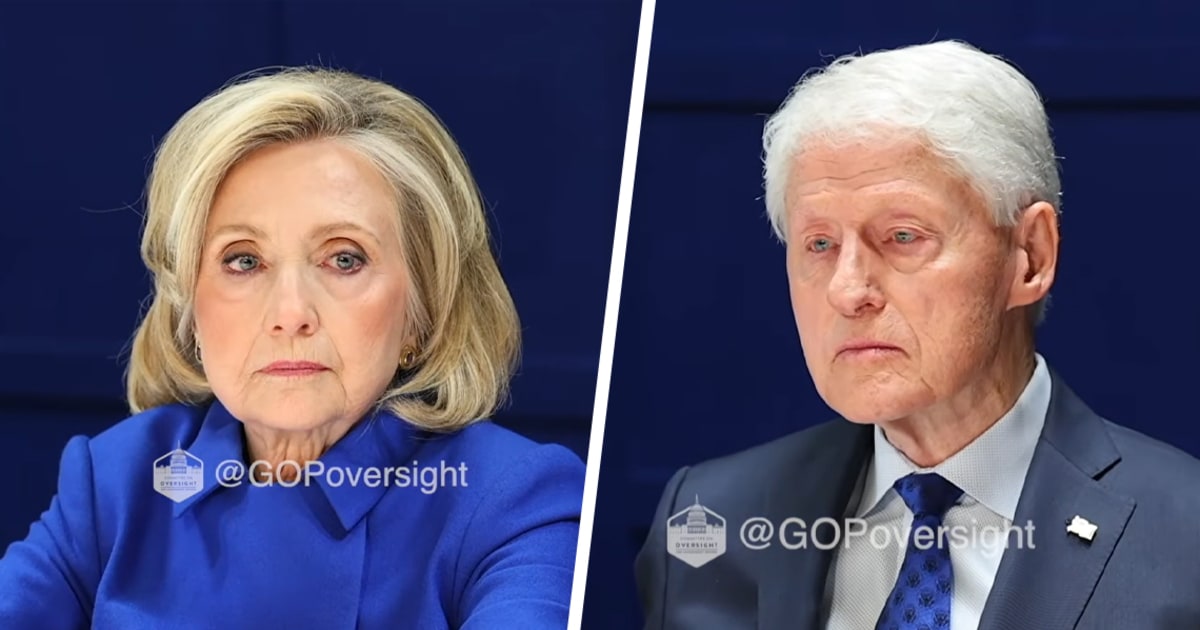
The general feeling is a mix of skepticism and political polarization, with many doubting the authenticity of the released videos and accusing the committee of editing or manipulating content to serve political agendas. Comments frequently reference conspiracy theories, distrust in media, and the belief that the release is a distraction from larger issues like Trump’s actions or election interference. Some argue the Clintons were unfairly targeted, while others see it as a necessary step to expose truths, though frustration lingers over the lack of substantive findings. A significant portion of the discourse centers on the perceived hypocrisy of political figures, with accusations that high-ranking officials prioritize self-interest over transparency. The debate often devolves into partisan blame, with critics dismissing the Clinton’s credibility and others defending their actions as prudent. The overall tone reflects deepening cynicism toward institutions, with many believing the public is being manipulated by elites, and a sense of futility about uncovering "truth" in a politicized environment.
