Real-Time News Sentiment
Analysis of trending Reddit news — tracking public mood,
controversy, and key topics
1358 Stories Analyzed
80 Positive Sentiment
1167 Negative Sentiment
Public Sentiment
The general feeling is one of skepticism and outrage toward Elon Musk’s alleged use of shell companies to obscure wealth, influence, and political spending, with many viewing it as unethical, legally dubious, and a form of tax evasion. Comments highlight concerns about the opacity of his network, the potential for corruption, and the exploitation of loopholes to avoid transparency, comparing it to historical scandals like Teapot Dome. There’s also frustration over the perceived impunity of billionaires, with critics arguing that their wealth and power inherently undermine democratic principles and public trust. A second wave of sentiment focuses on broader critiques of systemic inequality, with many linking Musk’s actions to a larger pattern of billionaire behavior—hoarding resources, shaping society to their advantage, and prioritizing survivalist fantasies over collective well-being. Some suggest this reflects a desire for control over a collapsing world, while others dismiss such ideas as paranoid or overly conspiratorial. Overall, the tone is a mix of anger, disbelief, and a call for accountability, with many urging stricter regulations or a reevaluation of wealth’s role in society.
r/news
Public Sentiment
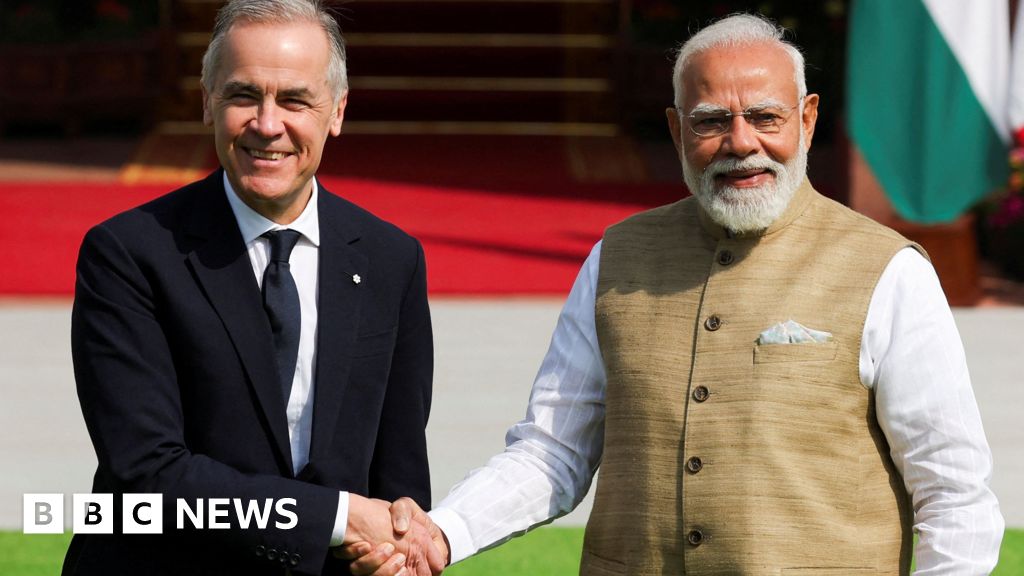
The general sentiment is divided, with some viewing the India-Canada nuclear deal as a strategic move to diversify trade and counter US economic pressures, emphasizing economic benefits and geopolitical pragmatism. Others criticize the partnership, citing espionage concerns, cultural clashes, and negative impacts on Canada’s labor market, while expressing frustration with US policies and the perceived imbalance in the relationship. Many acknowledge the necessity of aligning with global powers amid strained US ties, though tensions persist over India’s alleged espionage, student influx, and labor practices. While some see the deal as a pragmatic step for economic stability, others lament the loss of ideological alignment and the risks of compromising on values for short-term gains.

r/news
Public Sentiment
The general feeling is a mix of frustration and moral ambiguity, with many criticizing the UK for its perceived complicity in US military actions and its failure to maintain neutrality. Some argue the UK’s allowance of US bases in Cyprus and the Middle East makes it an unwilling participant in the conflict, while others condemn Iran’s attacks as disproportionate and illegitimate, despite acknowledging the regime’s grievances. The debate often devolves into accusations of hypocrisy, with critics blaming the US and Israel for escalating tensions and Iran’s retaliatory strikes as a justified, if extreme, response. A second wave of sentiment focuses on the broader geopolitical context, with users expressing disillusionment with Western involvement in the region and the cyclical nature of conflict. Many highlight the UK’s internal political struggles, such as Starmer’s criticism, and the media’s role in shaping narratives. There’s also frustration over the lack of accountability for war crimes and the normalization of violence, with some questioning whether any side can be fully justified in the current chaos. The tone oscillates between cynicism and a desire for accountability, reflecting a deepening sense of entrapment in a complex, morally fraught conflict.
Public Sentiment
The comments reflect a polarized debate, with some accusing Israel of exacerbating Gaza’s humanitarian crisis through border closures and military actions, framing the situation as a deliberate strategy to starve civilians. Others counter by emphasizing Iran’s role in fueling regional tensions, citing Hamas’s ties to Tehran and Iran’s historical support for proxy groups, while dismissing claims of ethnic cleansing as misleading. The discussion often devolves into accusations of bias, with critics of Israel accusing detractors of moral hypocrisy and defenders of Israel condemning anti-Zionist rhetoric as antisemitic. A recurring theme is the geopolitical complexity of the conflict, with some arguing that Israel’s actions are a response to Iranian aggression and regional instability, while others highlight the lack of Palestinian autonomy and the broader failures of Western foreign policy. The comments also touch on the moral scrutiny Israel faces compared to other nations, with critics questioning why Israel is singled out for condemnation despite its relatively lower death toll and repression compared to states like Syria or Iran. The overall tone is charged with distrust, with many dismissing each other’s perspectives as politically motivated or ideologically driven.
Public Sentiment
The general feeling is one of moral outrage and ethical concern over civilian casualties, with many emphasizing the inhumanity of targeting non-combatants regardless of the conflict’s context. Opinions stress that even in wartime, the death of innocents is unacceptable, questioning the justification for such attacks. A strong undercurrent of frustration and defiance emerges, particularly toward those who defend the attack, with some dismissing criticism as hypocritical or unwarranted. This reflects a polarized stance, where the ethical implications of the strike clash with accusations of double standards or political bias.
Public Sentiment
The general feeling is one of deep skepticism and fear toward AI’s reliability in high-stakes medical scenarios, with many readers emphasizing the unacceptable risks of entrusting life-or-death decisions to machines prone to hallucinations and errors. Concerns center on accountability, with critics arguing that AI’s flaws—like misidentifying body parts or failing to handle complex cases—should never be tolerated in healthcare, where human judgment and expertise are irreplaceable. There’s also frustration over the lack of transparency and oversight, with some warning that AI’s integration could be driven by corporate interests rather than patient safety, exacerbating existing healthcare inequities. A recurring theme is the belief that AI should never make final decisions in critical domains, with many advocating for human oversight as a necessary safeguard. While some acknowledge AI’s potential in less risky areas like dentistry, they stress that its current limitations—such as poor error handling and lack of ethical accountability—make it unsuitable for high-precision tasks. The debate also highlights a broader distrust in AI’s readiness, with many dismissing it as an overhyped, immature technology incapable of replacing human expertise in life-threatening situations.
Public Sentiment
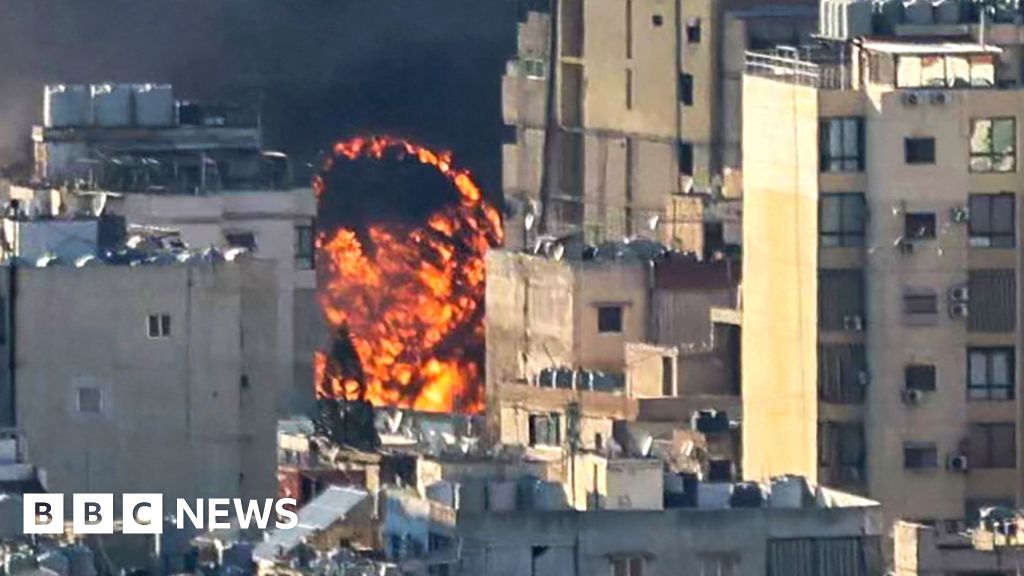
The general feeling is frustration and skepticism, with many criticizing the use of "conflict" instead of "war" and questioning the U.S. response. People express anger over perceived inaction, such as the lack of a "Special Military Operation" label, and distrust in leadership, like Hegseth’s focus on personal activities over informing allies. There’s also confusion about the incident’s details, with some doubting the effectiveness of stealth technology and the jets’ vulnerability due to their location. A mix of relief and concern emerges, as some highlight the safety of the crew but worry about potential consequences if the incident occurred over Iran. The tone oscillates between outrage over mismanagement and pragmatic acknowledgment of the jets’ replaceability, though underlying distrust in U.S. handling of the crisis dominates.
r/news
Public Sentiment
The general feeling is a mix of frustration and despair over the escalating Middle East conflict, with many viewing it as a cycle of violence with no clear resolution. Comments highlight the region’s long-standing instability, blaming external powers like the U.S. and Israel for exacerbating tensions, while others argue that Iran’s regime and its proxies have long been a destabilizing force. There’s widespread frustration with the lack of stability, with some suggesting the conflict is inevitable due to historical grievances and power struggles, while others criticize the moral cost of the war, particularly the civilian casualties and the use of human shields by both sides. The second paragraph reflects a sense of hopelessness about the future, with many fearing further escalation, including the risk of a global conflict. Some argue that regime change efforts have historically failed, while others warn of catastrophic consequences if Iran collapses, such as nuclear risks and humanitarian crises. The discussion also underscores the complexity of the region’s history, with debates over whether the current situation is worse than past conflicts or if the Middle East has never truly been stable. Overall, the sentiment leans toward cynicism about political solutions and a deepening sense of despair over the human toll.

r/news
Public Sentiment
The comments reflect a mix of frustration with the DOJ’s legal justification for using tear gas, dismissing it as a convenient tool for suppressing dissent, and skepticism about the First Amendment’s applicability to 20th-century tactics. Many argue the government oversteps by framing tear gas as a necessary force, while others mock the legal reasoning as absurd, citing historical and constitutional contradictions. Sarcastic remarks and dark humor underscore a broader distrust of institutional power and a belief that the state prioritizes control over civil liberties. The discussion also highlights tensions between free speech and state authority, with some framing the protests as a necessary fight against systemic oppression and others questioning the legitimacy of the demonstrators’ actions. References to historical guilt and the moral weight of past actions suggest a deeper unease about power dynamics, while the recurring theme of legal battles as a “playbook” signals cynicism about the effectiveness of protest in a system perceived as stacked against dissenters.
Public Sentiment
The general sentiment is a mix of skepticism, distrust toward U.S. commitments, and strategic concern. Many view France’s nuclear expansion as a response to perceived U.S. withdrawal from NATO, particularly after Trump’s policies and the Ukraine conflict, with some arguing it’s a move to reduce reliance on American guarantees. Others question the necessity of boosting the arsenal, noting France already has 200 nukes, and dismiss the headline as exaggerated or politically motivated. There’s also frustration over European unity, with critics blaming Germany’s pro-U.S. stance for blocking French initiatives like a European army. While some see the move as a step toward European autonomy, others warn of escalating tensions, with comments suggesting the plan could destabilize security or be a misguided attempt to assert power. Overall, the debate reflects deepening divisions between European nations and the U.S., with many doubting the practicality or wisdom of France’s nuclear strategy.

r/news
Public Sentiment
The general feeling is one of deep frustration and anger toward political figures, particularly Trump and MAGA, for their perceived hypocrisy and lack of accountability. Readers compare the current situation to past controversies like Benghazi and Afghanistan, criticizing the right’s obsession with blaming Democrats while ignoring their own failures. There’s widespread disdain for the “cult-like” loyalty to Trump, with many calling him a pedophile and accusing his supporters of brainwashing. The military’s role as a social safety net is highlighted, with outrage over the deaths of service members being dismissed as “sacrifices” for a leader’s ego. The political system is seen as broken, with accusations of a “Check Valve of Bullshit” and a lack of genuine democracy. The second paragraph reflects broader societal disillusionment, emphasizing the far-right’s toxic influence and the normalization of violence. Readers mock the idea of “no new wars” as a lie, linking Trump’s actions to geopolitical chaos and civilian casualties. There’s skepticism about the effectiveness of military interventions, with fears of escalating conflict and retaliation. The tone is bleak, blending cynicism about democracy’s viability with a sense of inevitability in political dysfunction, while also critiquing the media’s role in perpetuating propaganda. The overall sentiment is one of despair, with many feeling powerless against a system that prioritizes ideology over human lives.

r/news
Public Sentiment
The general feeling is a mix of frustration and suspicion, with many readers blaming political figures like Trump for the oil price surge, suggesting it’s a calculated move to benefit fossil fuel interests and destabilize markets. Conspiracy theories abound, with accusations of insider dealings, corporate influence, and geopolitical manipulation, while some dismiss the situation as a distraction from deeper issues like war profiteering and political corruption. A second wave of sentiment focuses on economic and environmental concerns, with debates over how rising oil prices harm EV adoption and fuel inflation, alongside sarcastic remarks about the absurdity of market reactions. There’s also widespread cynicism about the war’s justification, with many viewing it as a partisan ploy to distract from domestic issues and secure political power, while others express hope that the chaos will lead to accountability or systemic change.
