Real-Time News Sentiment
Analysis of trending Reddit news — tracking public mood,
controversy, and key topics
1358 Stories Analyzed
80 Positive Sentiment
1167 Negative Sentiment
r/news
Public Sentiment
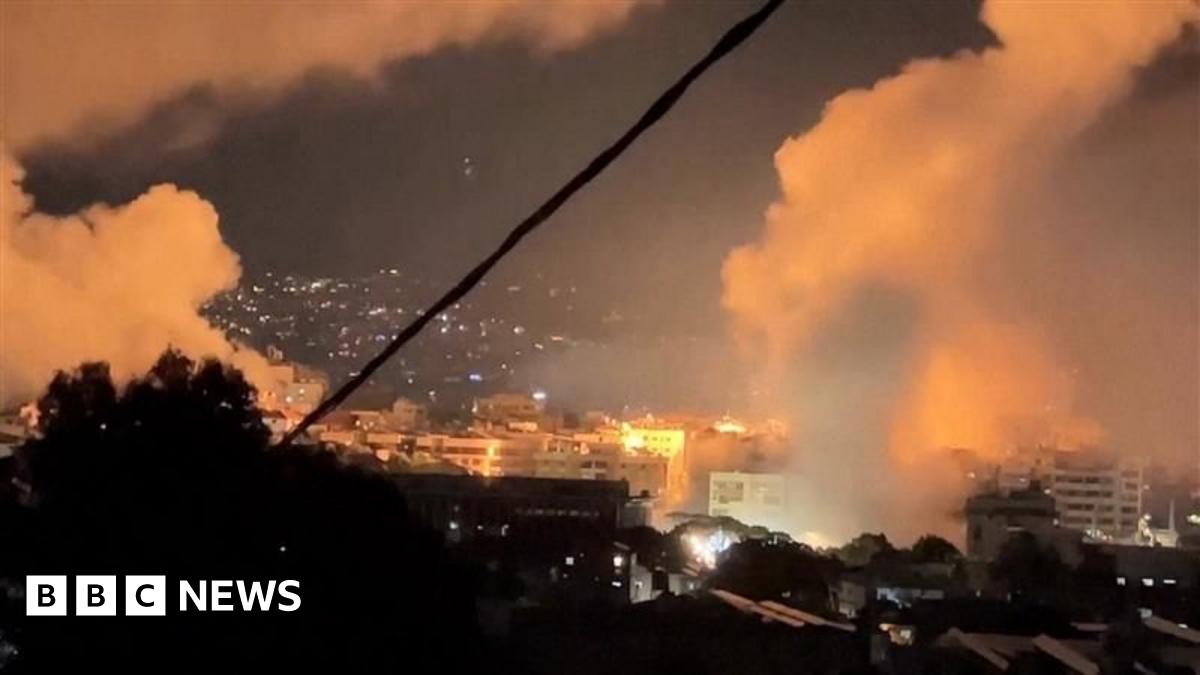
The general feeling is one of frustration and anger toward the endless cycle of violence, with many blaming leaders like Netanyahu and Trump for prolonging the conflict and prioritizing power over peace. Comments highlight the hypocrisy of media narratives, the violation of ceasefires, and the suffering of civilians, while some express hope for an end within weeks but despair over the structures enabling the war. There’s a mix of analysis and outrage, with some attributing the conflict to geopolitical rivalries rather than religion, while others dismiss religious justifications as propaganda. The tone oscillates between calls for accountability, condemnation of violence, and cynicism about the possibility of resolution, underscored by a sense of helplessness and a desire for the conflict to end abruptly.
Public Sentiment
The general feeling revolves around heightened geopolitical tensions, with mixed views on Iran's capabilities and the potential for prolonged conflict. Some argue Iran's strikes are desperate and unsustainable, while others predict escalation and a drawn-out war, likening it to a modern Vietnam. Concerns about the UAE's security and its role as a financial hub dominate discussions, with skepticism about Iran's ability to maintain attacks and doubts about the region's resilience. The Amazon data center incident sparks confusion and technical debate, with many dismissing its impact due to AWS's redundancy. However, some express worry about the UAE's "safe haven" image and the vulnerability of critical infrastructure. The conversation oscillates between skepticism about Iran's military strategy and pragmatic reassurances about cloud infrastructure's resilience, reflecting a blend of anxiety and detached analysis.
r/news
Public Sentiment
The general feeling is one of deep skepticism and alarm regarding the use of AI like Claude in military decision-making, with many fearing its unreliability and potential for catastrophic errors. Critics argue that AI systems hallucinate, lie, and lack accountability, making them dangerous tools for targeting civilians or justifying war crimes. They warn that blaming AI for mistakes shifts responsibility away from humans, enabling reckless actions like bombing schools under the guise of "AI-driven assessments." The sentiment is that AI is not a substitute for human judgment, especially in high-stakes scenarios, and that its use in warfare risks dehumanizing accountability and escalating conflicts. There is also widespread frustration with the military’s apparent naivety in trusting AI, viewing it as a tool to evade oversight rather than a genuine aid. Many highlight the absurdity of using chatbots for strategic decisions, comparing them to over-eager interns or predictive text, and stress the need for strict safeguards. The underlying concern is that AI’s lack of ethical reasoning and transparency could normalize unethical actions, while the military’s reliance on it reflects a dangerous disregard for human oversight and the potential for irreversible harm.

r/news
Public Sentiment
Frustration and anger dominate as people blame rising gas prices for straining household budgets, with many accusing politicians of profiting from the crisis. Comments highlight the economic burden on everyday consumers, from inflated grocery and utility costs to the hypocrisy of political figures who claim high prices are beneficial. Cynicism runs deep, with critics mocking MAGA supporters for shifting blame and dismissing their claims of economic hardship, while others point to systemic issues like corporate profiteering and political inaction. Political blame and hypocrisy are central themes, with users accusing both Trump and Biden of exacerbating the crisis through policies or inaction. The discussion also reflects a broader distrust in leadership, as people question the motives behind oil price spikes and the role of foreign interests. Meanwhile, some sarcastically suggest that the situation is part of a larger plan, while others express hope for alternatives like EVs, though many remain frustrated by their unaffordability. The tone is sharply critical, blending outrage over economic impacts with skepticism toward political narratives.

r/news
Public Sentiment
A mix of relief and skepticism toward Australia’s decision to avoid military involvement in Iran, with many expressing frustration over public support for policies they deem misguided. Comments highlight war-weariness, distrust in leadership, and a desire for neutrality, while some criticize the government for still aligning with the U.S. despite claims of independence. Tensions between viewing China as a threat or ally dominate discussions, with some dismissing China’s aggression and others emphasizing its regional importance. Humor and sarcasm underscore the divide, alongside calls for Australia to adopt a more neutral stance, contrasting with past military commitments. The overall sentiment reflects a blend of cautious optimism, regional rivalry, and disillusionment with political decisions.
r/news
Public Sentiment
The general sentiment is a mix of skepticism and concern, with many dismissing the idea of a full-scale World War III while acknowledging the risks of escalation. Comments highlight the geopolitical complexity, noting that Russia and China are unlikely to risk direct conflict with the US to support Iran due to their own strategic limitations and priorities, such as Ukraine and Taiwan. However, some argue that the situation could still destabilize the region, with fears of nuclear brinkmanship and regional proxy wars. Others mock the overuse of "WW3" rhetoric, emphasizing that most conflicts are localized and not global in scale. At the same time, there is underlying anxiety about the broader implications for global stability, with discussions about oil supply chains, military alliances, and the potential for unintended consequences. The UK’s involvement is seen as politically risky and unpopular, reflecting broader tensions between national interests and public opinion. Overall, the comments reflect a cautious, nuanced view—acknowledging the gravity of the situation without fully endorsing alarmist narratives, while emphasizing the interconnectedness of global power dynamics.
r/news
Public Sentiment
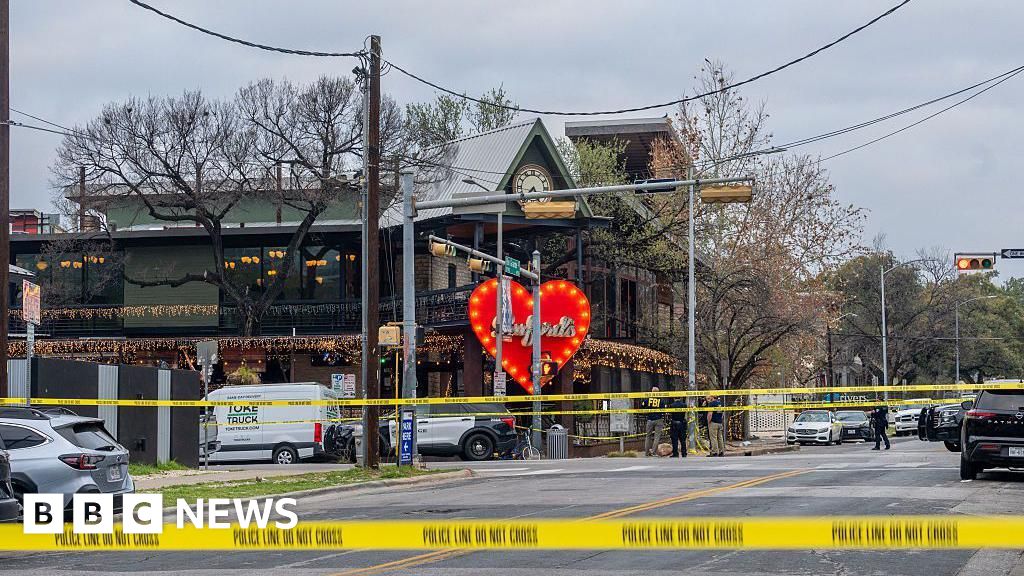
The comments reflect a deep skepticism toward the FBI’s credibility, with many dismissing the agency as politically motivated or biased, especially under the current administration. Skeptics link the "terrorism" label to broader political agendas, such as demonizing immigrants or justifying anti-Muslim rhetoric, while others mock the FBI’s perceived incompetence or hypocrisy. The shooter’s clothing—like the "Allah" hoodie and Iranian flag shirt—sparks debates about false flags, with some accusing the government of fabricating evidence to frame him, while others see it as a clear sign of radicalization. The tone oscillates between cynicism and frustration, with users questioning the media’s role in amplifying conspiracy theories and the government’s ability to address systemic issues. The discussion also highlights a broader distrust in institutions and a polarized political climate, where accusations of "false flag" attacks and "fake news" dominate conversations. Many users express disillusionment with the justice system, blaming political rhetoric for eroding public confidence. At the same time, there’s a recurring theme of stigmatizing marginalized groups, with some equating LGBTQ identities or mental health struggles with radicalism. The comments underscore a society grappling with misinformation, political manipulation, and a loss of faith in both government and media, leaving many feeling trapped in a cycle of distrust and division.
r/news
Public Sentiment
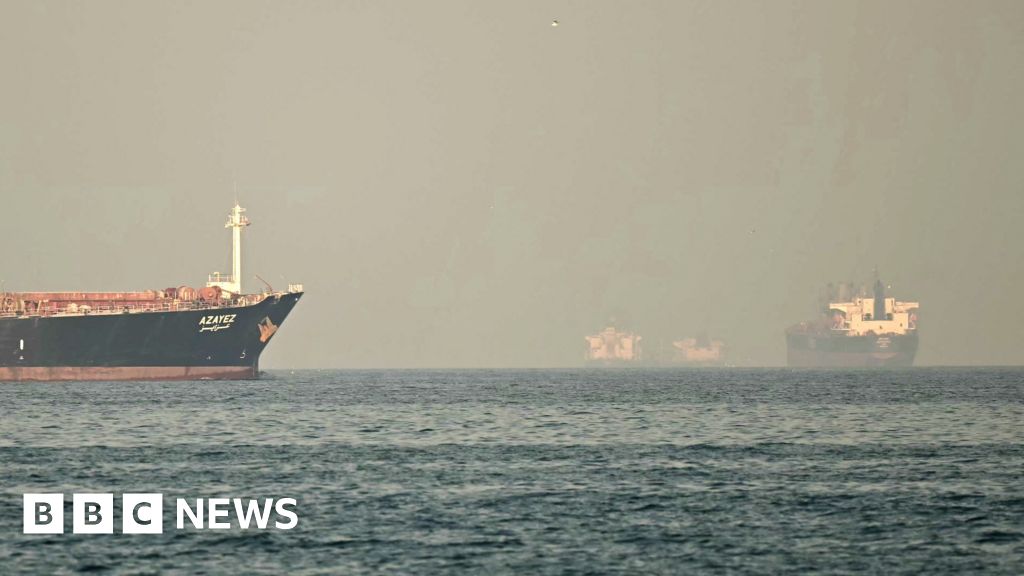
The general feeling is a mix of anxiety over oil price volatility and frustration with U.S. energy policies, with many blaming political leaders for failing to transition to renewables. Concerns about the Strait of Hormuz attack and its potential to spike global oil prices dominate, with fears of recession and economic strain. Discussions about solar and wind energy highlight both optimism for their future and skepticism about infrastructure, storage, and political will to adopt them. Simultaneously, there’s widespread political polarization, with critics of Trump and Biden accusing them of undermining energy independence and inflating costs, while others dismiss such claims as partisan rhetoric. The debate extends to global competition in green energy, with some arguing the U.S. is falling behind China and others insisting technological progress will eventually overcome challenges. Overall, the sentiment reflects a blend of dread over energy insecurity and hope for renewable solutions, tempered by distrust in leadership and economic realities.
r/news
Public Sentiment
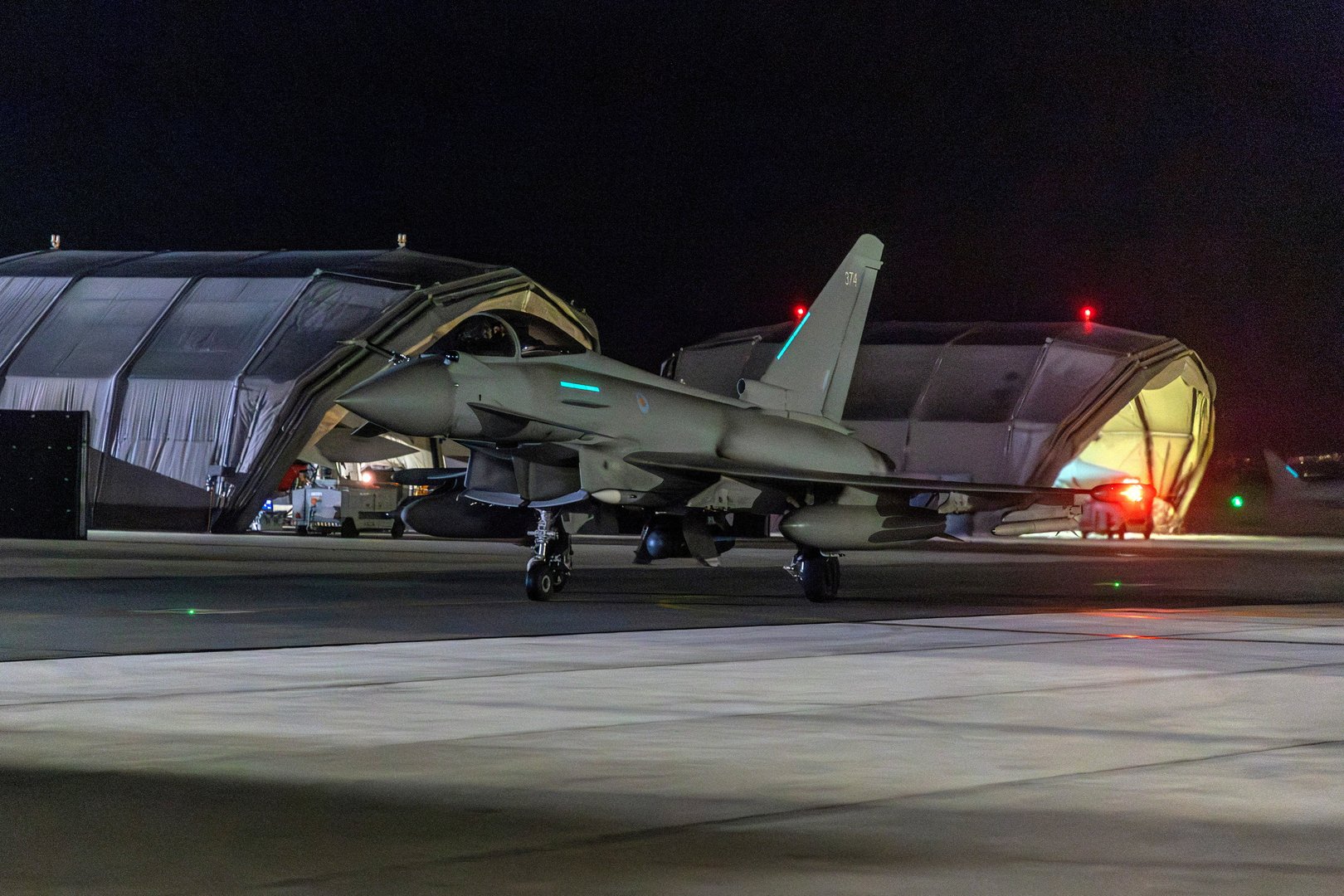
The general feeling is one of skepticism and frustration toward Trump’s military strategy, with many doubting the effectiveness of the UK Cyprus bases’ “security threat” declaration as a meaningful response. Comments highlight concerns about miscalculations, such as the assumption Iran would collapse under airstrikes, and the potential for escalating regional instability. There’s also widespread criticism of Trump’s overconfidence, with users mocking his belief in quick wins and underestimating Iran’s capabilities, while noting the broader consequences like rising oil prices and geopolitical chaos. A second wave of sentiment focuses on the administration’s lack of a clear plan and the risks of further conflict, including the possibility of a draft or prolonged war. Many express disillusionment with Trump’s approach, comparing it to past failures and warning of catastrophic outcomes if the situation spirals. The tone is often dismissive of official narratives, with users emphasizing the unpredictability of the conflict and the potential for unintended consequences, such as economic collapse or increased violence in the region.

r/news
Public Sentiment
The general sentiment is a mix of mockery, confusion, and skepticism toward the lawsuit, with many dismissing it as frivolous or absurd. Comments highlight absurdity in the legal claims, such as the animal imagery and the idea that a beaver and moose could be considered similar. Some mock Buc-ee’s litigiousness, while others question the lawsuit’s validity, pointing to past precedents or arguing that the animals are clearly different. Humor and sarcasm dominate, with jokes about Trump, Disney, and the absurdity of the case, while a few defend Buc-ee’s by praising its amenities like clean bathrooms and gas prices. The second paragraph reflects divided opinions on Buc-ee’s role and impact, with some criticizing it as a tourist trap or overly commercialized, while others acknowledge its importance to truckers and the supply chain. Confusion about the brand’s identity persists, and debates over its legal tactics and business practices reveal a polarized view—some see it as a nuisance, while others view it as a necessary service. The overall tone is lighthearted yet critical, blending humor with underlying skepticism about the lawsuit’s merits.
r/news
Public Sentiment
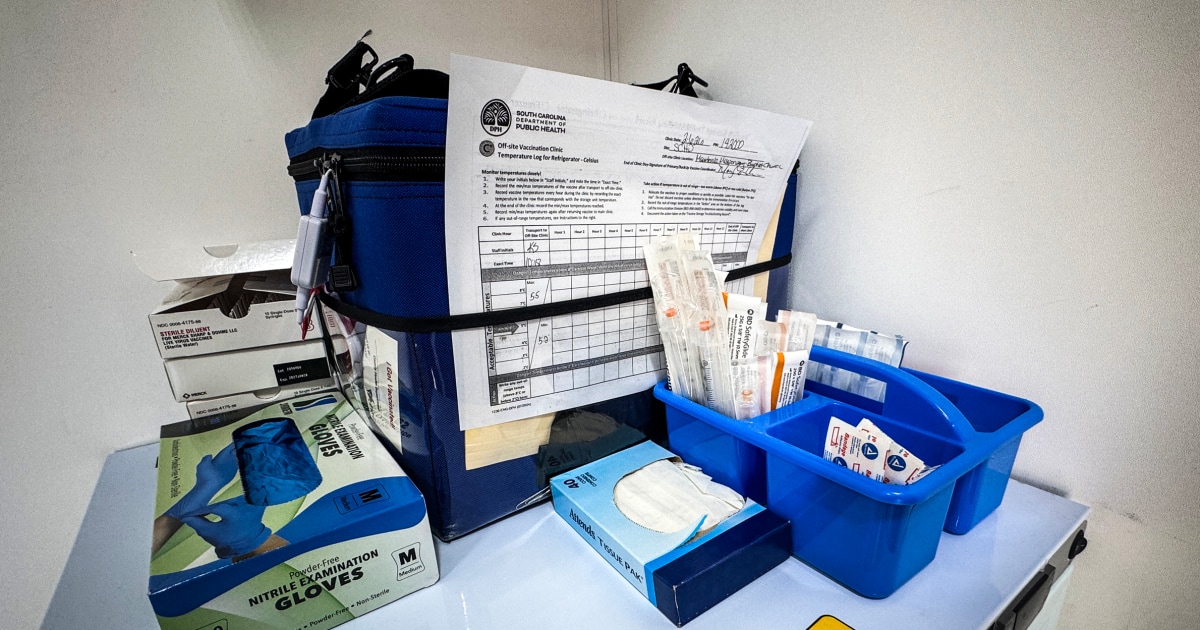
The comments reflect widespread frustration and anger toward anti-vaxxers, religious communities, and political figures like RFK Jr., who are blamed for exacerbating measles outbreaks through vaccine denial and skepticism. Many express outrage over the financial and human costs of preventable diseases, criticizing the lack of critical thinking and the prioritization of ideology over science. The tone is dismissive of anti-vaxxers, with some mocking their ignorance and others lamenting the consequences of their choices, such as child deaths and strained healthcare systems. A mix of sarcasm and dark humor underscores the frustration, with references to "natural selection" and "Idiocracy" mocking the perceived backwardness of anti-vaxxer communities. Concerns about politicized public health, declining education standards, and the spread of misinformation are also prevalent, highlighting a sense of helplessness against systemic failures. The comments collectively convey a blend of despair, exasperation, and a resigned acknowledgment of the societal and economic toll of vaccine hesitancy.

r/news
Public Sentiment
The comments reflect a polarized debate over the suspect’s motives, with some framing the shooting as a domestic radicalized act fueled by online extremism, while others suspect foreign involvement, particularly Iran, citing the clothing and flag emblem. Skepticism about the AP source’s credibility and the broader narrative of "conspiracy" or "false flag" accusations dominate, with critics dismissing such claims as politically motivated or overly conspiratorial. A recurring theme is distrust in institutions and media, with many questioning how the public is manipulated by political narratives, social media, and misinformation. The discussion also highlights frustration over political polarization, with blame often directed at Trump, Iran, or systemic failures in education and media literacy. Despite differing views, a common thread is the belief that the shooting underscores deeper societal fractures, with some arguing it’s a symptom of algorithmic radicalization, while others see it as a tool for political exploitation.
