Real-Time News Sentiment
Analysis of trending Reddit news — tracking public mood,
controversy, and key topics
1358 Stories Analyzed
80 Positive Sentiment
1167 Negative Sentiment
Public Sentiment
The comments reflect a deeply polarized and confrontational discourse, with critics accusing Israel of hypocrisy, particularly regarding its nuclear capabilities and alleged human rights violations, while defenders dismiss such claims as biased or exaggerated. Many argue that Israel’s actions in Gaza are part of a broader pattern of impunity, contrasting its alleged moral failings with the perceived aggression of Iran and other regimes. Conversely, some defend Israel’s right to self-defense and question the credibility of critics, framing the debate as a clash between legitimate security concerns and anti-Israel bias. The discussion also devolves into personal attacks, with accusations of botting, propaganda, and ideological extremism on both sides. Some highlight systemic issues like settler violence and judicial leniency, while others dismiss these as distractions from the core issue of Israel’s alleged misconduct. The tone is charged with mutual distrust, with neither side willing to concede moral or legal superiority, and the conversation often spiraling into ad hominem and historical grievances.

r/news
Public Sentiment
The comments reflect a mix of confusion, nostalgia, and frustration, with many questioning why the story is framed around Cher’s son rather than Greg Allman’s. Nostalgia for Deadsy and Elijah Allman’s musical legacy dominates, with fans lamenting his current struggles and the band’s decline. Some mock the media’s focus on celebrity offspring, while others highlight the absurdity of treating an adult as a “kid” in headlines. A recurring theme is the tension between public fascination with fame and the reality of the individual’s actions, with critics calling the coverage clickbait and others expressing sadness for Elijah’s personal and legal troubles. The discussion also touches on the broader cultural obsession with celebrity families, blending humor, sarcasm, and a sense of irony about how media sensationalizes private lives.
Public Sentiment
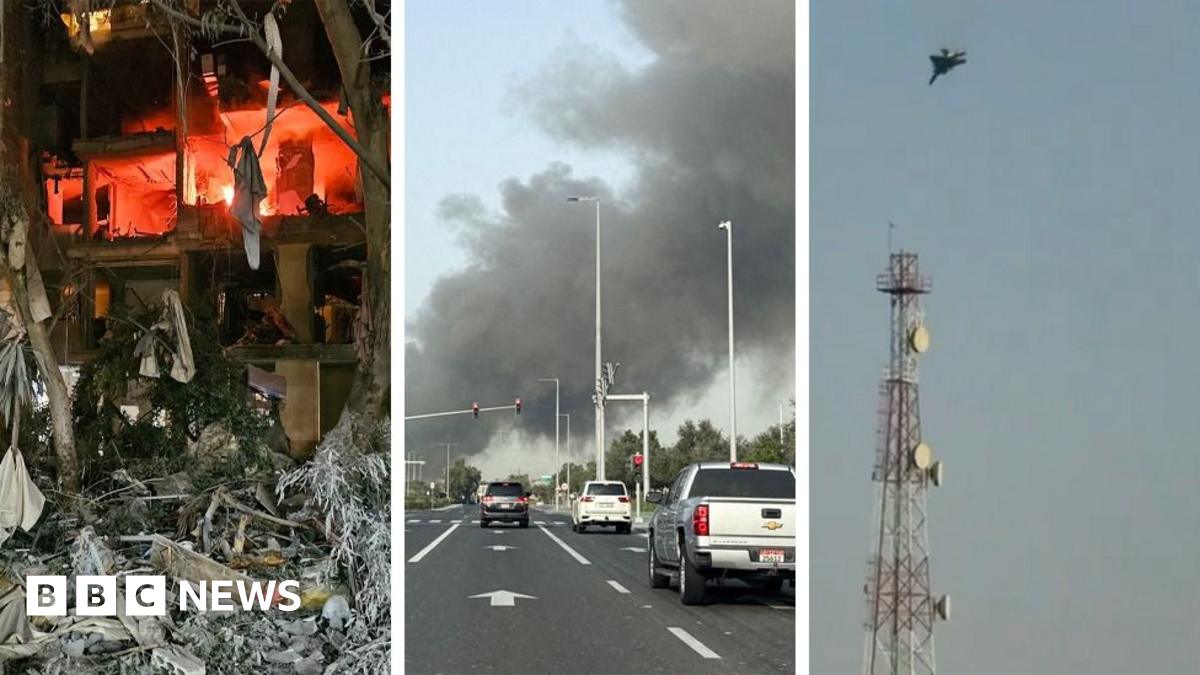
The general feeling is a mix of confusion and skepticism, with many debating the number of crashed aircraft and the cause—some suggesting friendly fire or Iranian defenses, while others question the credibility of the report. Speculation runs rampant, from geopolitical tensions involving Iran and China to sarcastic remarks about the US military’s capabilities, with some dismissing it as a "joke" compared to other nations. Amid the chatter, there’s a blend of frustration over the war’s prolonged nature, fears of escalating conflicts, and tangential discussions about unrelated topics like stock markets, Bitcoin, and grocery prices, reflecting a fragmented, hyperconnected public discourse. Humor and cynicism often intertwine, with some mocking the situation’s absurdity while others express concern over real-world consequences like civilian casualties or economic impacts.
r/news
Public Sentiment
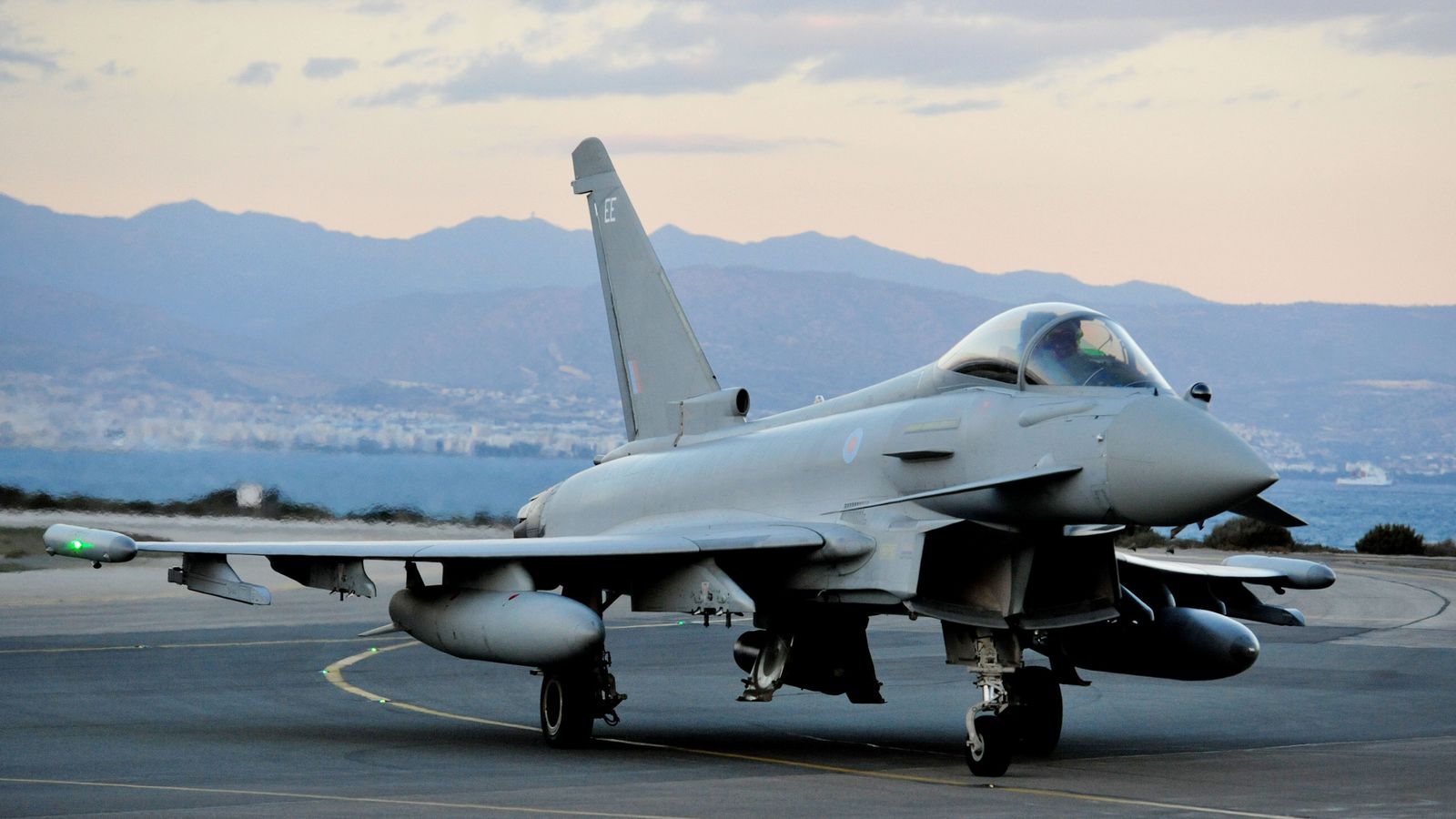
The general feeling is one of deep frustration and anger over the escalating violence, with many expressing sorrow for civilian casualties and blaming the ongoing conflict on regional instability. People are outraged by the lack of containment, viewing the war as a regional chain reaction fueled by proxy groups like Hezbollah, which they link to Iran. There’s also frustration with media framing and perceived deflections of responsibility, as some argue the conflict stems from long-standing Western influence or political miscalculations. A strong undercurrent of blame targets both Israel and Iran, with accusations of disproportionate retaliation and proxy warfare. Many see the violence as inevitable due to decades of geopolitical tensions, while others criticize the hypocrisy of dismissing the region’s history of conflict. The sentiment is heavy with despair over the human cost and a sense that the situation is spiraling beyond control, with fears of further escalation and regional chaos.
r/news
Public Sentiment
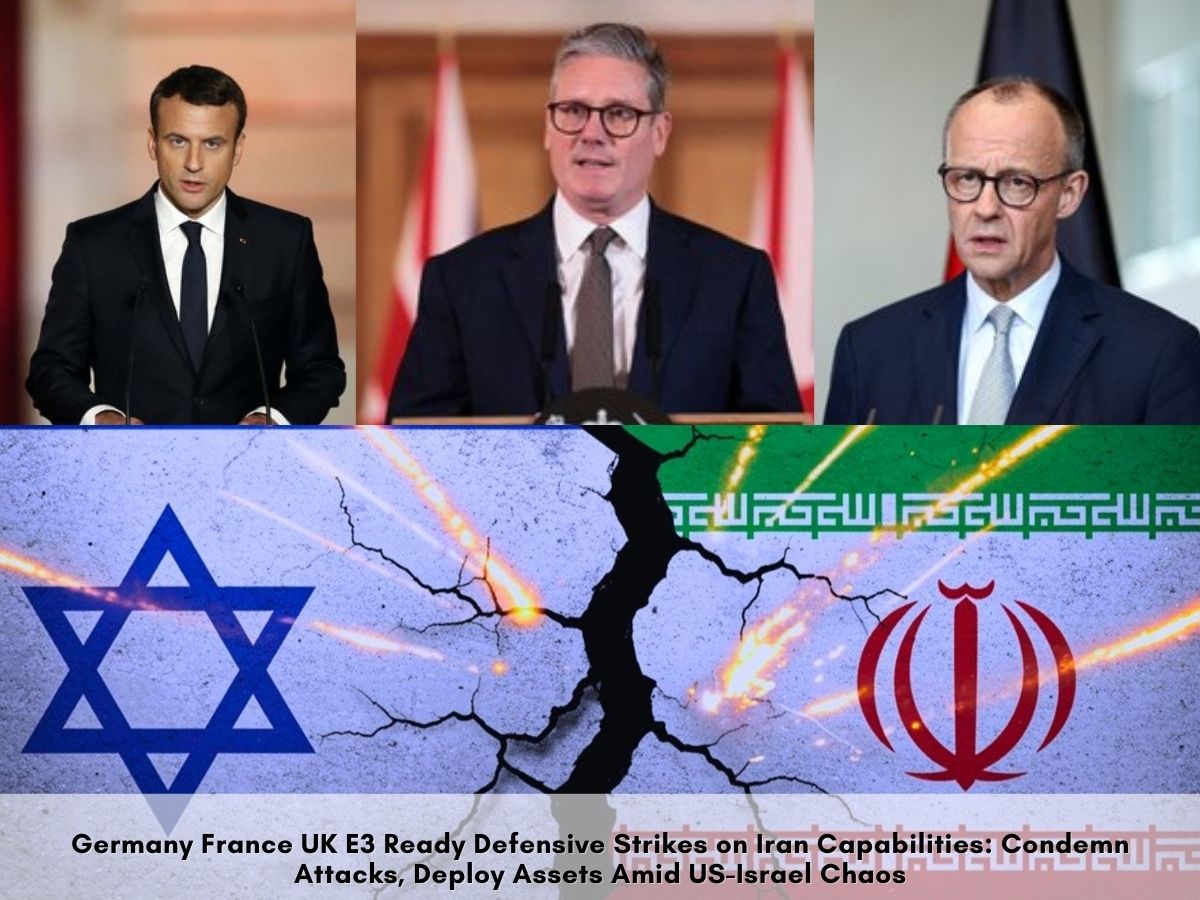
The general feeling is a mix of geopolitical tension and skepticism, with many readers dissecting the implications of Iran’s alleged actions in Cyprus and questioning the accuracy of the report. Discussions revolve around Iran’s shifting alliances, the role of historical grievances (like the CIA’s 1953 coup), and the broader conflict between Iran and Western powers. Some argue Iran’s strikes are retaliation for past aggression, while others dismiss the attack as a failed attempt to escalate tensions, citing Iran’s limited military capabilities. The debate also extends to the nuclear deal, with some hoping it will curb Iran’s influence and others doubting its effectiveness. A significant portion of the comments express frustration with the cycle of violence, blaming the U.S. and Israel for provoking Iran and questioning the legitimacy of casualty claims. There’s also skepticism about the strike’s origin, with some suggesting it was launched by proxies like Lebanon or Israel, and others dismissing the event as a "false flag." The tone oscillates between alarm over potential escalation and a resigned acceptance of ongoing conflict, with many predicting the eventual dismantling of Iran’s influence. Overall, the sentiment reflects a polarized view of the situation, blending geopolitical analysis with distrust of state narratives.

r/news
Public Sentiment
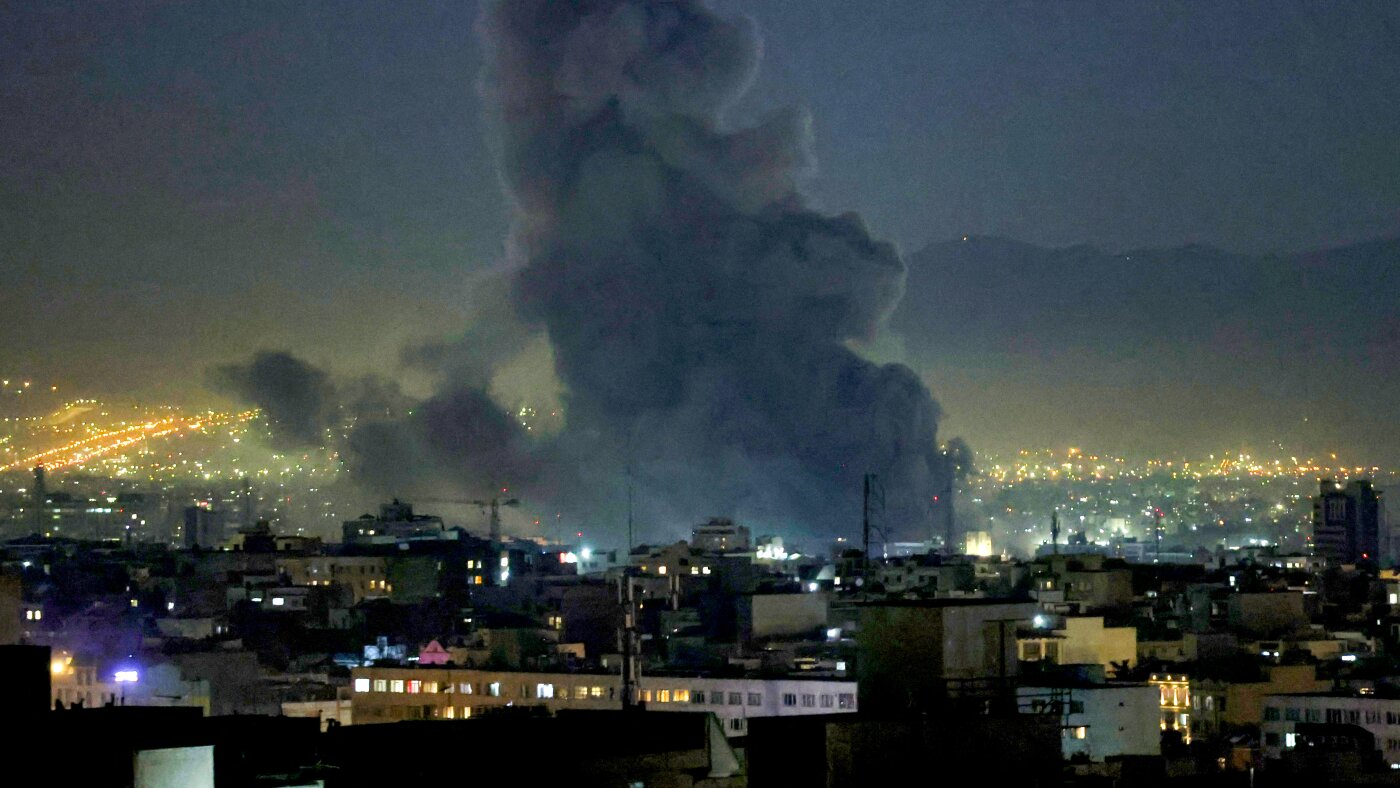
The general sentiment is one of frustration and anger toward the U.S. and Israel for escalating tensions, with many criticizing their preemptive strikes and the lack of clear objectives. Comments highlight hypocrisy, as Western nations condemn Iran’s actions while ignoring their own involvement in the conflict, and express fear of a broader war, with some suggesting Russia and China may not intervene. There’s also outrage over the potential for civilian casualties and the refugee crisis, with accusations that the West is exploiting the situation for geopolitical gain. The debate centers on the legality and morality of military actions, with some arguing Iran’s strikes on Western bases justify retaliation, while others condemn the West’s “defensive” rhetoric as a cover for aggression. Discussions about Taiwan and historical claims reflect broader frustrations with geopolitical narratives, while calls for Europe to stay neutral clash with accusations of complicity. Overall, the tone is chaotic, with a mix of cynicism, moral outrage, and skepticism toward all parties involved, leaving many feeling trapped in a cycle of conflict with no clear resolution.
r/news
Public Sentiment
The comments reflect widespread frustration and cynicism toward the U.S. and Trump’s role in escalating the conflict, with many blaming the EU for being manipulated into a "lose-lose" situation by Washington. Anger is directed at Iran’s attacks on European assets and civilians, though some question the legitimacy of the retaliation, while others dismiss the EU’s involvement as a "puppet" state dynamic. There’s also frustration over the lack of accountability for civilian casualties and the perceived hypocrisy of Western allies defending their own interests while criticizing Iran’s actions. A second wave of sentiment focuses on the chaotic and contradictory nature of the conflict, with debates over whether the UK or EU were provoked, the use of military bases as a "neutral" stance, and the absurdity of war being framed as a "defensive" necessity. Many express disillusionment with global politics, mocking the "regime change" narrative and the UN’s ineffectiveness, while others lament the endless cycle of violence and the lack of meaningful peace efforts.
r/news
Public Sentiment
The general feeling is one of alarm and ethical outrage over the exploitation of insider knowledge and the potential for manipulation of real-world events through prediction markets. Many users condemn the practice as a form of fraud, arguing that profiting from someone’s death or political outcomes is morally abhorrent and legally dubious. Concerns about insider trading, money laundering, and the normalization of gambling on human lives dominate the discourse, with some calling it a "casino on top of the economy" and others warning of its dangerous precedent for influencing elections or conflicts. There is significant debate over whether these markets are legitimate trading or predatory gambling, with critics dismissing them as unregulated scams and defenders framing them as a tool for aggregating information. However, a strong undercurrent of distrust persists, particularly regarding the role of powerful entities like Trump insiders or the CIA, which many believe exploit these platforms for profit. The discussion often devolves into frustration with systemic corruption, with users expressing disdain for both the participants and the lack of accountability in such markets.
r/news
Public Sentiment
The general feeling is a mix of outrage, distrust, and frustration toward the U.S. government and military actions, with many blaming the administration for escalating the conflict and prioritizing political agendas over soldiers' lives. Comments frequently reference the Epstein files, Trump’s alleged ties to pedophilia, and Israel’s role, framing the war as a distraction from these issues. Skepticism about casualty numbers is widespread, with some accusing the U.S. of downplaying deaths to maintain public support, while others argue the official count is likely low due to the military’s preparedness. Amid the anger, there’s also a sense of resignation and moral ambiguity, with some acknowledging the risks soldiers take but questioning the justification for the war. Calls for accountability, transparency, and an end to U.S. involvement in the Middle East dominate, alongside cynicism about political corruption and the military-industrial complex. The discussion reflects deepening polarization, with many feeling the conflict is driven by power struggles rather than national security, and a growing disillusionment with leadership that prioritizes personal or geopolitical interests over civilian lives.

r/news
Public Sentiment
The general feeling is a mix of confusion and frustration over who was killed, with debates over whether protesters, security forces, or both were involved. Many criticize the protesters for recklessly storming a consulate, arguing it’s a textbook example of self-defense, while others question the US’s security measures or the government’s role in enabling such violence. There’s also skepticism toward the US’s foreign policy, with some blaming Pakistan’s instability on decades of Western interference and others mocking the idea that embassies should be treated as sacred spaces. The second paragraph reflects broader tensions, with users accusing the US of propping up authoritarian regimes in Pakistan and criticizing the country’s alignment with Iran. Some dismiss comparisons to other nations’ embassy attacks as misguided, while others highlight the hypocrisy of Western powers intervening in foreign conflicts. The discussion oscillates between outrage over civilian casualties, distrust of US motives, and frustration with the cycle of violence and geopolitical entanglements.

r/news
Public Sentiment
The general feeling is a mix of skepticism toward the FBI's credibility and distrust in official narratives, with many mocking the agency's ability to investigate serious crimes while dismissing its role in trivial matters like missing dogs. Comments often blend humor and sarcasm, referencing figures like Kash Patel and online conspiracies, while others question the motives behind labeling the shooting a "possible terrorist act," suggesting political or ideological agendas. There’s also significant polarization around terms like "antifa," with some defending the group’s identity and others mocking it, reflecting broader ideological divides. Conspiracy theories and accusations of propaganda dominate discussions, fueling cynicism about the investigation’s transparency and the potential misuse of the case to target marginalized groups. The tone is largely dismissive, with a strong undercurrent of online humor and distrust in institutional authority.
Public Sentiment
The general feeling is one of deep distrust in the administration’s honesty and the justification for military action, with many accusing officials of lying to bypass congressional oversight and justify attacks on Iran. Critics argue the “imminent threat” narrative is a pretext for war, tied to geopolitical interests like oil, defense contracts, and alliances with Israel, while others highlight the hypocrisy of U.S. military presence in the Middle East. There’s frustration over the lack of accountability for lies, the erosion of democratic checks, and the weaponization of anti-Semitism to silence dissent. The second paragraph reflects a broader disillusionment with the political system, where power is seen as abused by a “military-industrial complex” and a ruling class prioritizing profit over public good. While some cautiously note the Pentagon’s honesty in contradicting White House claims, others dismiss it as another layer of deception. The discussion underscores a sense of helplessness, with many believing the system is rigged to protect elites, leaving ordinary citizens to bear the costs of endless war and broken promises.
