Real-Time News Sentiment
Analysis of trending Reddit news — tracking public mood,
controversy, and key topics
1358 Stories Analyzed
80 Positive Sentiment
1167 Negative Sentiment
r/news
Public Sentiment
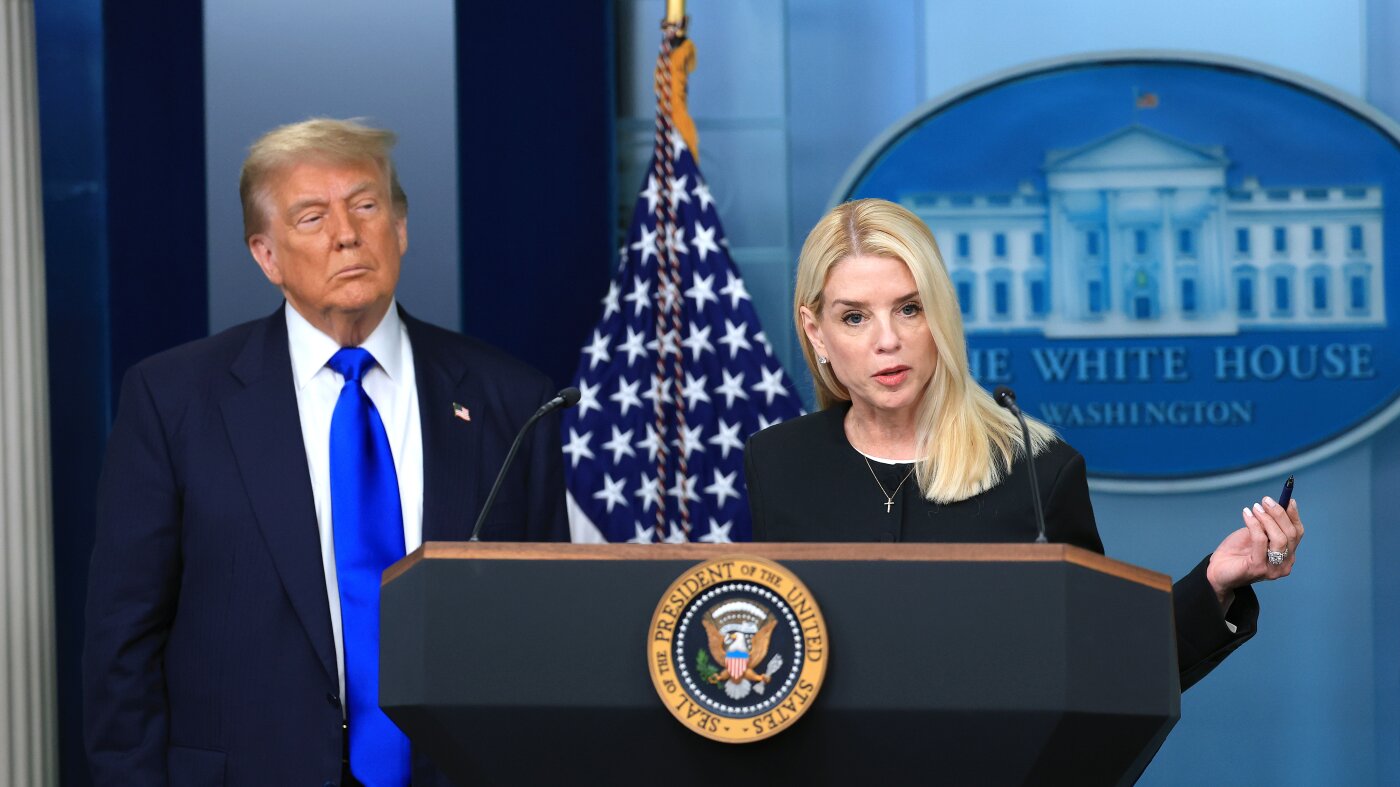
The overwhelming sentiment is one of outrage and disbelief at Trump’s alleged corruption, with many accusing him of systematically stealing from taxpayers, exploiting his presidency for personal gain, and using his wealth to manipulate systems and supporters. Critics highlight his family’s wealth, questionable charities, and the hypocrisy of his “donations” while siphoning public funds for private interests. There’s frustration that his supporters—seen as either wealthy, racist, or willfully ignorant—continue to defend him despite evidence of his misconduct. A pervasive sense of helplessness and anger also emerges, as people question how Trump remains in power despite his actions and the lack of accountability. Many express disgust at the political system’s failure to address his crimes, while others mock the absurdity of his demands for taxpayer money, framing it as a masterclass in exploitation. The tone is deeply cynical, with many feeling that Trump’s followers are complicit in enabling his corruption, and that justice remains out of reach.
r/news
Public Sentiment
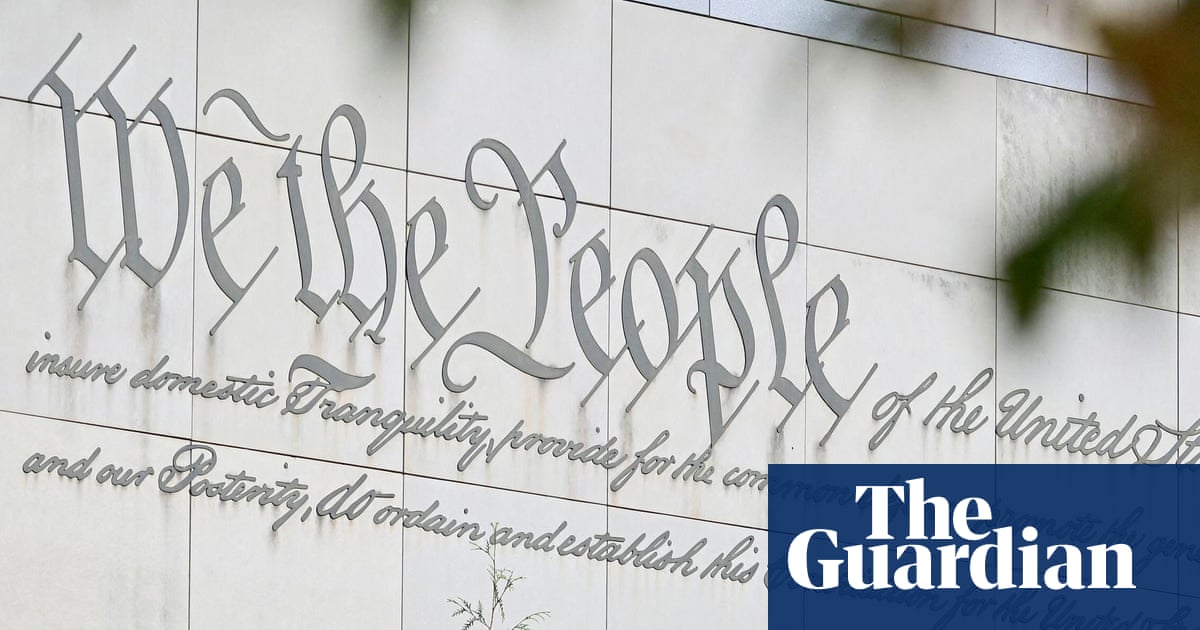
The general feeling is a mix of skepticism, dark humor, and conspiracy theories about Donald Trump potentially attempting to rewrite the U.S. Constitution, with many dismissing it as implausible or a farcical idea. Comments highlight the absurdity of such a move, noting the near-impossible requirement for state ratification and the likelihood of widespread resistance, while others mock the idea of a "Trump Constitution" as a joke or a satirical take on his rhetoric. Confusion and frustration dominate discussions about the article’s headline, with some clarifying the 250th anniversary of the Constitution is actually in 2038, not 2026, and pointing out the museum’s focus on the document itself, not independence. The tone oscillates between dismissing the headline as clickbait and acknowledging the broader unease about political instability and the potential for radical changes to the nation’s foundational framework.
r/news
Public Sentiment
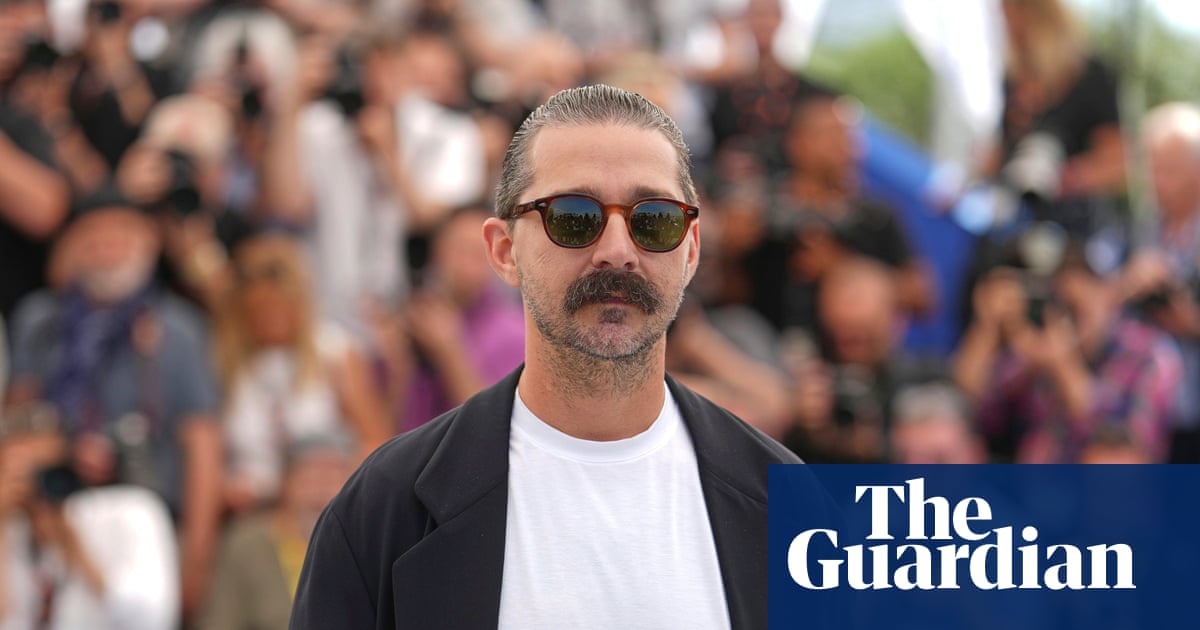
The general feeling is a mix of mockery, dark humor, and thinly veiled disdain for Shia LaBeouf’s alleged behavior, with many reducing his actions to absurd, hyperbolic tropes like “cannibal,” “homophobic slurs,” and “MAGA arc” jokes. Comments often blend satire with critiques of his public persona, referencing his history of arrests, substance abuse, and alleged violence, while some compare him to historical figures like Roy Cohn or Kevin Spacey to highlight perceived hypocrisy or systemic issues. The tone leans toward irreverent ridicule, with users mocking his instability, self-serving apologies, and the absurdity of his public image. A darker undercurrent of concern and judgment emerges, with some users questioning his mental health, past violence, and the normalization of his behavior, while others link his actions to broader themes of homophobia, power, and celebrity recklessness. The comments oscillate between humor and unease, reflecting both a fascination with his downfall and a critical view of his character, often framed through comparisons to real-world scandals and the moral implications of his alleged actions.
Public Sentiment
The comments reflect a mix of skepticism, mockery, and humor toward the lawsuit, with many dismissing the plaintiff’s claims as frivolous or exaggerated. Critics argue she never suffered harm, question the legal merits of suing for perceived risk, and mock the idea of holding Costco accountable for salmonella, which is common in poultry. Jokes about her being a “Karen” or a “Karen replacement” dominate, alongside sarcastic remarks about class-action lawsuits and price hikes. The discussion also veers into debates about consumer spending habits, with some defending Costco’s affordability and others mocking millennials for splurging on rotisserie chicken. The second paragraph highlights deeper skepticism about salmonella risks and corporate responsibility, with some arguing that the issue is systemic and not unique to Costco. Comments mention the inherent presence of salmonella in chicken and the cost of eliminating it, suggesting regulatory or industry failures rather than a single company’s fault. Others question the plaintiff’s credibility, noting her alleged opposition to factory farming despite Costco’s sourcing practices. The conversation underscores a broader tension between consumer expectations, corporate accountability, and the reality of food safety in an industry shaped by cost-cutting and lobbying.
Public Sentiment
The comments reflect a mix of speculation and skepticism about Epstein’s alleged ties to Middle Eastern powers, with many linking his activities to Russian agents, Mossad, or other covert groups. Some argue that Russia’s deep involvement in the region—through Assad, military bases, and Dugin’s Moscow-Tehran axis—makes it a plausible player, while others dismiss such claims as oversimplified or conspiratorial. The discussion often veers into heated debates about the Middle East’s complexity, with critics accusing others of tunnel vision or misunderstanding Russia’s broader geopolitical interests. The tone oscillates between intrigue and frustration, as readers grapple with the article’s ambiguity about Epstein’s primary connections. Some suggest the Middle East is a strategic chessboard for global powers, with Trump and other figures symbolizing the clash between national interests and public accountability. The overall sentiment leans toward a blend of conspiracy-minded speculation and a desire to unravel the tangled web of influence, often laced with sarcasm and defensiveness over perceived misinterpretations.

r/news
Public Sentiment
The general feeling is a mix of concern for the individual's safety and a sense of relief that he is alive, paired with skepticism about the broader implications of the situation. There’s a shift in attention from past indifference to a current focus on accountability, though this is tempered by distrust in the system’s ability to protect even US citizens. A darker undercurrent emerges, with fear and suspicion about the circumstances of his detention, including ominous remarks about potential harm, reflecting deep-seated anxiety and a lack of faith in the justice process.
Public Sentiment
The general sentiment is a mix of skepticism, wariness, and speculation about the U.S. withdrawal from Syria, with many fearing it could escalate tensions with Iran. Comments suggest the move might be a strategic setup for potential military action, with references to impending strikes, prolonged conflicts, and the risks of civilian casualties. Some view the withdrawal as a distraction from domestic issues like the Epstein files, while others question its impact on regional stability, noting it could embolden adversaries or shift risks to other actors. A significant portion of the discourse reflects distrust in political motives, with critics linking the withdrawal to broader agendas like diverting attention from scandals or advancing geopolitical interests. There’s also a tone of resignation or fatigue toward Middle Eastern conflicts, with some dismissing the withdrawal as a minor step while others warn of the consequences of U.S. military involvement. Overall, the comments oscillate between caution, cynicism, and a sense of inevitability regarding further escalation.

r/news
Public Sentiment
The general sentiment is a mix of frustration, cynicism, and resignation toward Dollar Tree’s expansion into affluent areas, with many criticizing its business model as exploitative and predatory. Comments highlight concerns about undercutting competition, poor quality, and rising prices, while others mock the store’s shift toward premium items and its role in eroding local retail diversity. The tone often leans toward dark humor, comparing the situation to dystopian scenarios like *Idiocracy* or 1984, with references to corporate control, consumerism, and the erosion of middle-class stability. There’s also a blend of nostalgia for past retail landscapes and anxiety about economic decline, with some lamenting the loss of traditional stores like Big Lots or Walgreens. Many express disillusionment with capitalism, citing rising costs, subscription models, and the saturation of low-cost options, while others grapple with the irony of affluent areas embracing dollar stores. The overall feeling is one of weary acceptance of systemic shifts, tinged with bitterness over economic inequality and the commodification of everyday life.
Public Sentiment
The general feeling is a mix of frustration and distrust toward the FCC and CBS, with many believing the FCC is using threats of censorship to suppress dissent, even if not directly enforcing it. People argue that CBS complied out of fear of regulatory retaliation, framing it as a "chilling effect" that undermines free speech. There’s also anger over perceived political bias, with critics accusing the FCC of targeting left-leaning shows like *The View* and Colbert’s interview, while ignoring right-wing media. Some view this as a broader attack on media independence and free expression, with conspiracy theories about corporate control and political influence. The second paragraph reflects a sense of helplessness and cynicism about systemic change, with many feeling the political system is rigged by money and power. Discussions of campaign finance reform and media ownership dominate, but skepticism lingers about whether any candidate or movement can truly challenge the status quo. There’s also a tone of resignation, acknowledging the difficulty of fighting entrenched interests, while some call for collective action to resist further erosion of democratic norms.

r/news
Public Sentiment
The general feeling is one of outrage and fear over the law’s enforcement mechanisms, with many arguing it enables mob justice, genital inspections, and systemic targeting of trans people, especially trans women, while disproportionately harming cis women who may face harassment for not conforming to gender norms. Critics view the law as a tool for cultural warfare, diverting attention from real issues like economic inequality and political corruption, and as a step toward erasing gender diversity through incremental, oppressive policies. There is also frustration over the law’s absurdity and potential for abuse, such as private citizens suing for minor infractions or using it to justify violence, alongside concerns about its real-world impact on trans individuals’ health and safety. Many highlight the hypocrisy of Republicans prioritizing this issue over tangible problems, while others emphasize the law’s role in policing femininity and reinforcing systemic discrimination against marginalized groups.

r/news
Public Sentiment
The overwhelming sentiment is one of frustration and outrage at the perceived systemic failure to hold the powerful accountable, with many criticizing the FBI and DOJ for enabling corruption through inaction, historical complicity, and institutional bias. Comments highlight a deep distrust in institutions, comparing the U.S. to countries where corruption is met with harsher consequences, and express disbelief that figures like Wexner and Epstein remain unscathed despite evidence. There’s a sense of helplessness about the lack of real consequences for elites, with some suggesting bribery or mass unrest as the only possible outcomes. A pervasive undercurrent of anger targets the normalization of elite privilege and the moral decay of the powerful, with many viewing the wealthy as a corrupt class that exploits their influence to evade justice. The discussion often circles back to the idea that systemic power and wealth create a culture of impunity, where accountability is dismissed as a myth. While some call for radical change, others acknowledge the bleak reality of a system rigged in favor of the elite, leaving many feeling trapped between despair and a sense of futility.
r/news
Public Sentiment
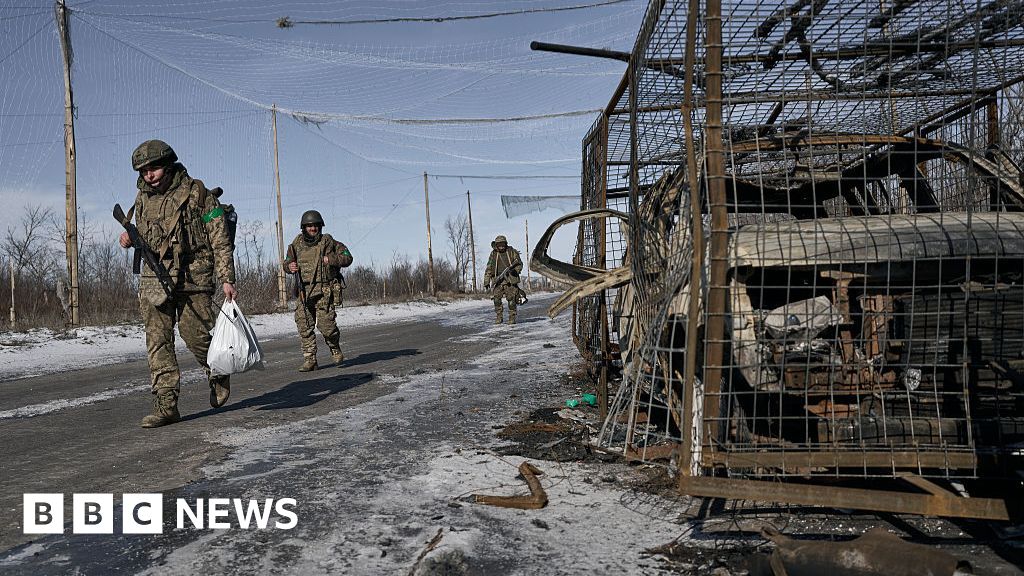
The general sentiment is one of frustration and resignation over the stalled peace talks, with many believing the impasse stems from Russia’s refusal to relinquish occupied territories and Ukraine’s insistence on security guarantees. Critics argue Ukraine’s constitutional stance and moral resolve prevent compromise, while Russia’s demands are seen as unreasonable and self-serving. External actors like the US and EU are blamed for inadequate pressure on Moscow, with some accusing Trump of undermining Ukraine’s position and prioritizing political gain over peace. A pervasive sense of futility dominates, with many predicting the war will end only through Putin’s removal, EU military intervention, or a pyrrhic Russian victory. Anger toward Trump and Western indecision is sharp, while some warn of nuclear escalation risks or long-term insurgencies. Despite calls for solidarity with Ukraine, the consensus is that peace remains elusive, with both sides entrenched and the global community divided on how to intervene.
