Real-Time News Sentiment
Analysis of trending Reddit news — tracking public mood,
controversy, and key topics
1358 Stories Analyzed
80 Positive Sentiment
1167 Negative Sentiment
Public Sentiment
The general feeling is a mix of concern and anger, with some readers expressing sympathy for the victims while blaming the guide company for recklessness. Others criticize the guides’ statement as insincere, accusing them of shifting responsibility. A few emphasize the avalanche warning as a factor, suggesting the incident could have been avoided. There’s also a divide between those who condemn the guides and those who urge caution, acknowledging the complexity of the situation without passing judgment. The tone oscillates between outrage, empathy, and frustration, reflecting both accountability demands and a recognition of the risks inherent in backcountry activities.

r/news
Public Sentiment
The general feeling is a mix of skepticism, political distrust, and frustration over the FDA’s decision, with many accusing the administration of market manipulation or undue influence, particularly linking Moderna’s stock and potential bribes to the reversal. Comments highlight concerns about the FDA’s credibility, with some suggesting the reversal is damage control or a political move to align with corporate interests rather than public health. Others express irritation over the vaccine’s limited availability, especially for younger people, and debate whether the mRNA flu vaccine is truly necessary or if alternatives exist. The discussion also reflects broader tensions between mRNA technology and traditional vaccines, with critics claiming mRNA has more side effects and less protection compared to protein-based options like Novavax, while defenders argue its flexibility and medical potential. Amid these debates, there’s a sense of resignation or hope for future approvals, with some acknowledging the vaccine’s importance for older adults but questioning its relevance for younger populations. Overall, the sentiment leans toward distrust in political processes and a polarized view of vaccine science and access.

r/news
Public Sentiment
The discussion is polarized, with users divided between those emphasizing Epstein’s alleged deep ties to Israeli intelligence and those downplaying these claims, instead focusing on his Russian connections. Many argue that Israeli involvement is underreported or deliberately omitted, citing figures like Ehud Barak and Robert Maxwell as key links, while others dismiss these as conspiracy theories without sufficient evidence. The debate often devolves into accusations of media bias, with some claiming outlets are controlled by entities tied to Israel or other powerful groups, and others insisting the focus on Russia is a distraction from the real narrative. A recurring theme is frustration over the lack of transparency in the DOJ files, with users demanding unredacted documents to verify claims. Conspiracy theories about Epstein as an asset or mercenary, rather than a spy, coexist with calls for accountability for high-profile figures linked to him. The conversation is marked by strong, often conflicting assertions, with some users insisting the truth is "out in the open" while others demand proof, reflecting a broader distrust in institutions and a fixation on uncovering hidden power dynamics.

r/news
Public Sentiment
The general feeling is one of frustration and disillusionment with academic dishonesty and the lack of integrity in competitive settings. Readers express outrage over widespread cheating, such as the use of pre-fabricated tech like infrared sensors and floating keyboards, which undermined fair competition. The stories highlight a systemic issue where judges, often unqualified, failed to detect fraud, allowing dishonest teams to thrive while honest participants were penalized. This fuels resentment toward institutions that prioritize shortcuts over merit, with some viewers calling out hypocrisy and demanding stricter oversight. A mix of humor and sarcasm underscores the absurdity of the situation, particularly regarding the robotic dog from Ali Express and the irony of attendees learning more about it than expected. While some acknowledge the inevitability of cheating in under-resourced regions, the overall tone remains critical of the culture that enables it, with a clear desire for transparency and fairness. The narrative ends with a resigned acceptance of the system’s flaws, paired with a sharp critique of those who exploit it.

r/news
Public Sentiment
Support for expanded preschool programs is widespread, with many praising the relief it provides to families, particularly those struggling with high childcare costs. Readers highlight benefits like reduced financial burdens, better wages for educators, and improved access to quality care, arguing that public options outperform underfunded private alternatives. However, criticism of private daycares is sharp, with many accusing them of exploitative practices, such as low staff pay, inflated pricing, and poor working conditions, while owners enjoy luxury lifestyles. The debate often frames private providers as unsustainable or unethical, with calls for regulation or government intervention to address systemic inequities. The discussion also reflects broader frustrations with the U.S. childcare system, including the lack of affordable options, inadequate support for working parents, and the commodification of care. Many argue that childcare should be treated as a public good, not a profit-driven industry, and criticize policies that prioritize private interests over family needs. While some acknowledge the need for business adaptation, others demand structural reforms, such as subsidies, wage mandates, or expanded public programs, to address the crisis. The tension between market forces and social responsibility underscores a call for systemic change to make childcare accessible, equitable, and humane.

r/news
Public Sentiment
The general feeling is a mix of horror, paranoia, and dark humor, reflecting on how ordinary professionals enabled Nazi atrocities through bureaucratic complicity. Readers connect historical exploitation of archival work to modern state surveillance, fearing authoritarian regimes’ use of data and technology to target minorities. The tone underscores the chilling realization that mundane roles can perpetuate systemic violence, while sarcastic remarks about DNA testing and digital tracking highlight both the absurdity and danger of such power. A sense of urgency and warning permeates the discussion, with many drawing parallels between past and present authoritarian tactics. Comments about genetic purity and modern "CSA" systems reveal skepticism toward state narratives of identity, while jokes about Nazis contacting 23andMe mock the futility of such efforts. The overall sentiment blends outrage at historical atrocities with a wary recognition of how technology and institutional control continue to shape discrimination, leaving readers unsettled by the parallels to today’s world.

r/news
Public Sentiment
The general feeling is a mix of outrage and skepticism, with many arguing the climber’s actions constituted gross negligence, especially given his experience and the clear risks of their unprepared ascent. Critics highlight his failure to provide essential gear, delayed emergency response, and abandonment of his girlfriend in extreme conditions, framing it as a tragic but avoidable accident. However, others defend his choices, citing the inherent dangers of alpine climbing, hypothermia’s impact on judgment, and the unpredictability of mountain environments, suggesting the outcome was a result of poor planning rather than intent. There’s also a strong debate over legal accountability versus personal responsibility, with some condemning the prosecution as overly harsh and others calling for stricter oversight in high-risk activities. The discussion underscores a broader tension between viewing mountaineering as a voluntary risk and holding individuals accountable for preventable deaths, while the headline’s ambiguity and media sensationalism further fuel polarized interpretations of the case.

r/news
Public Sentiment
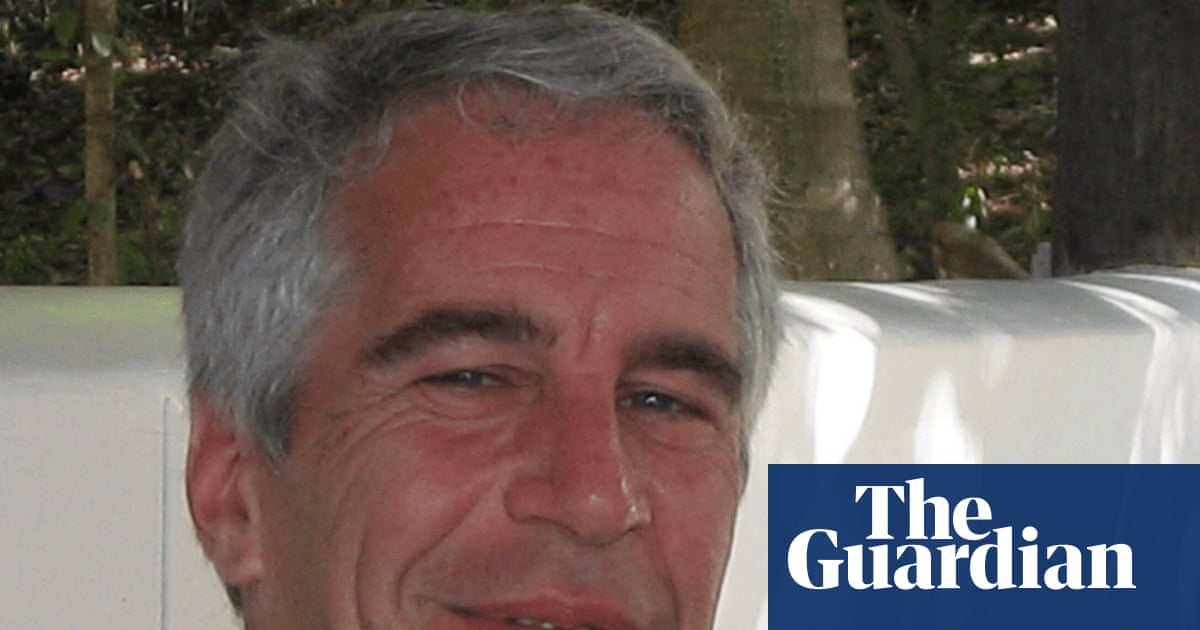
The general feeling is one of frustration and skepticism, with readers doubting the effectiveness of the penalty as a deterrent. Many view the $55m fine as trivial, especially for a company with billions in revenue, and question whether it will lead to real change or simply be absorbed as a minor cost. There is a strong belief that the penalty is far too low to hold the company accountable, with calls for much higher fines to truly impact environmental harm. The tone reflects disappointment that the fine, labeled “unprecedented,” fails to address the ongoing damage to the WA jarrah forests, suggesting the punishment is symbolic rather than meaningful.
r/news
Public Sentiment
The general feeling is a mix of shock, disbelief, and frustration over the UN’s classification of Epstein’s actions as crimes against humanity, with many questioning the severity of the terminology and the credibility of the UN’s role. Comments oscillate between outrage at the scale of alleged abuse and skepticism about the system’s ability to address it, with conspiracy theories about Epstein’s death and continued influence fueling distrust. Comparisons to scandals like Panama Papers and Watergate highlight a sense of trivialization, while calls for justice clash with cynicism about political inaction and the power of elites. A second wave of sentiment focuses on the perceived complicity of governments and institutions, with frustration over the lack of accountability for powerful figures and the inability to prosecute crimes against humanity. Some argue for radical measures, like international courts or mass protests, while others dismiss these as futile, emphasizing the entrenched corruption of systems like the U.S. government. The tone is one of despair mixed with a desperate hope for change, underscored by a recurring theme of disbelief that such abuses persist unchecked.
r/news
Public Sentiment
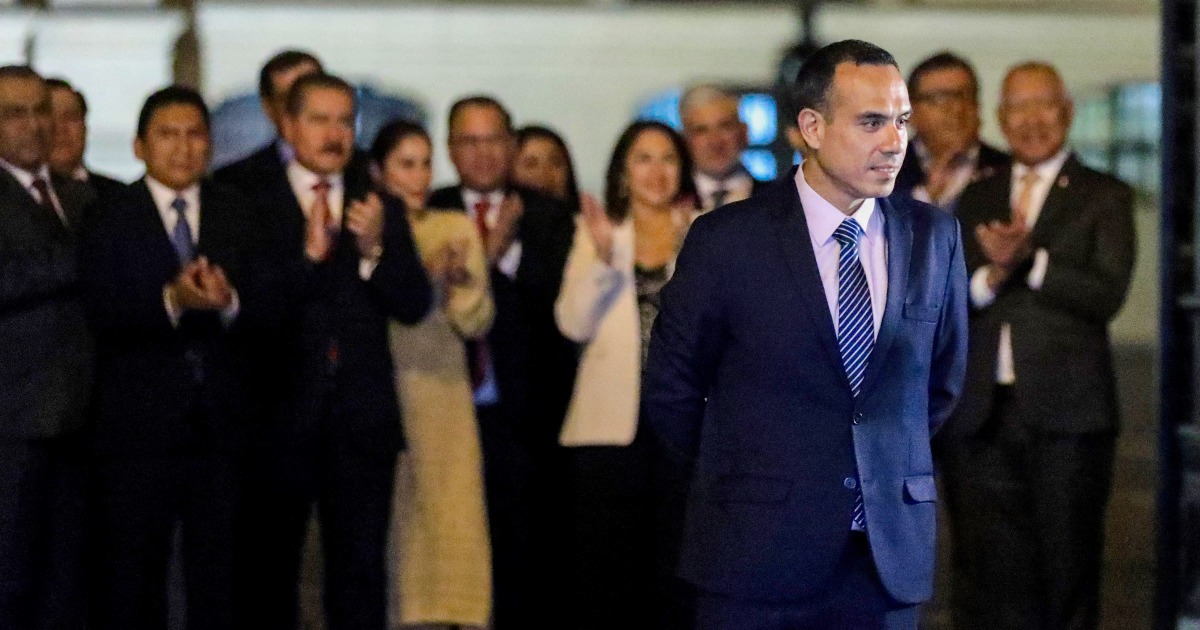
The general sentiment reflects skepticism and confusion about Peru’s political system, with many questioning the legitimacy of ousting a president and mocking the frequency of such events. Comments highlight a sense of irony, comparing the situation to a "banana republic" and joking about overcrowded prisons for disgraced leaders, suggesting institutional instability and a lack of accountability. There’s a mix of admiration for Peru’s democratic process and frustration over its dysfunction, with some praising Congress as a stronger democratic body than the U.S. while others criticize the recurring cycle of corruption and oustings over two decades. The tone leans toward cynicism, emphasizing the normalization of political turmoil and the failure to address systemic issues.

r/news
Public Sentiment
The general feeling is a mix of concern and frustration over the perceived exploitation of New Zealand’s “golden visa” program by the wealthy, with many fearing it enables a class-based escape from societal collapse, climate crises, and authoritarianism. Critics highlight the hypocrisy of the 1% using these visas to secure safety and privilege while the rest of society struggles with housing, healthcare, and economic instability, framing the policy as a tool for global inequality and a form of “apartheid” based on wealth. There is also widespread anxiety about the potential for societal breakdown, with some warning of a future where the rich leverage their power to dominate through military, police, or private security forces, while others dismiss extreme scenarios, arguing that systemic collapse or civil war is more likely than outright genocide. The discussion underscores a deepening divide between classes and a sense of inevitability that the wealthy will continue to shape the future through control of resources, borders, and institutions.
r/news
Public Sentiment
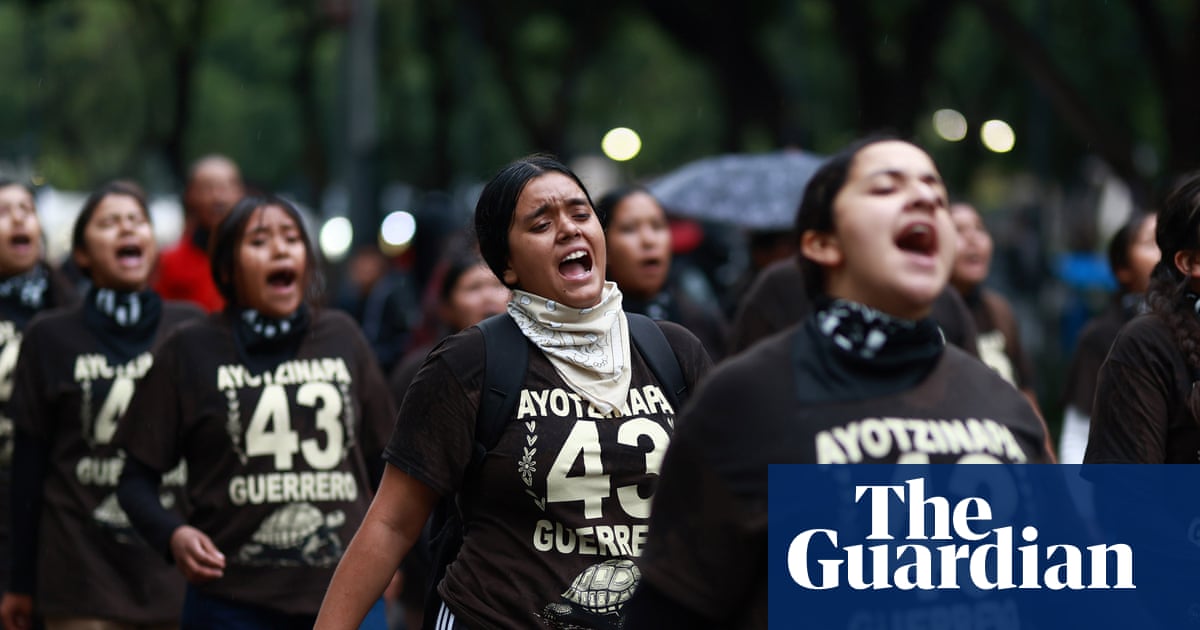
The general feeling is a mix of frustration and hope, with many suggesting drastic reforms like abolishing amnesty laws, legalizing drugs to dismantle cartels, and learning from past successes in other countries. However, skepticism lingers about the feasibility of these solutions, as critics argue cartels’ entrenched power, corruption, and diversified illegal activities (e.g., avocados, tequila) make them resilient to traditional approaches. There’s also a sense of resignation about Mexico’s systemic issues, with some pointing to the government’s complicity and the futility of the “war on drugs” as a root cause. While some optimism remains about policy shifts or external models (like the Philippines), the consensus leans toward acknowledging the complexity of the crisis and the need for bold, coordinated action to break cycles of violence and corruption.
