Real-Time News Sentiment
Analysis of trending Reddit news — tracking public mood,
controversy, and key topics
1358 Stories Analyzed
80 Positive Sentiment
1167 Negative Sentiment

r/news
Public Sentiment
The overwhelming sentiment is one of despair and urgency, with many expressing deep concern over the irreversible damage to coral reefs due to climate change, pollution, and rising ocean temperatures. Readers emphasize that coral reefs are on the brink of collapse, with 51% experiencing severe bleaching and 15% facing mortality, marking the most devastating event on record. Frustration is directed at decades of minimal climate action, with some suggesting the tipping point has already been crossed, leaving reefs with little chance of recovery. The mention of heat-resistant breeding efforts offers faint hope, but it is overshadowed by skepticism about systemic change and a sense of inevitability regarding ecological collapse. A stark contrast emerges in the acknowledgment of human agency, though it is tempered by cynicism. While some highlight the potential of technological solutions like heat-resistant corals, others dismiss the likelihood of meaningful intervention from powerful elites, framing the crisis as a foregone conclusion. The tone shifts to resignation, with references to a bleak future where natural wonders may only be experienced through virtual reality, reflecting a mix of hope for innovation and despair over humanity’s inability to prevent ecological disaster.
r/news
Public Sentiment
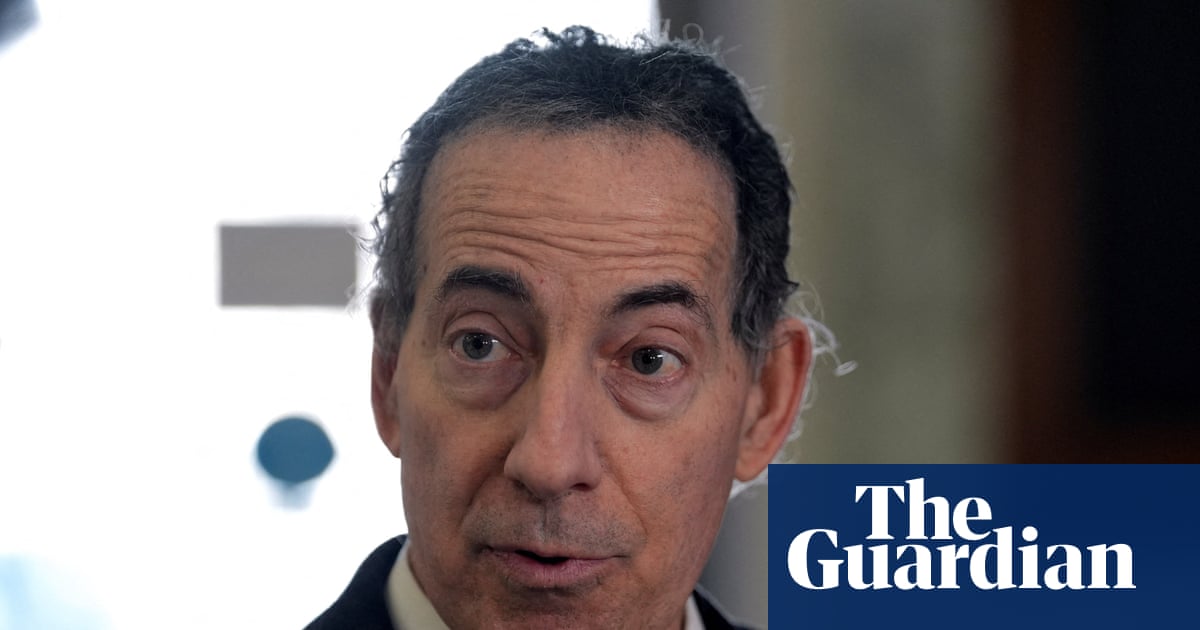
The comments reflect widespread distrust in the DOJ and political institutions, with accusations of a cover-up and lack of transparency surrounding the Epstein case. Readers express frustration over redacted documents, the DOJ’s failure to release all information, and the perceived complicity of both parties in shielding powerful figures. There’s a strong belief that transparency is obstructed by those in power, with some even questioning the integrity of figures like Jamie Raskin and Democrats for not acting earlier. The second paragraph highlights political polarization and mutual blame, with critics accusing both parties of corruption and ineptitude. Some argue that the DOJ’s inaction is part of a broader "pedo-mafia" cover-up, while others call for accountability through voting or public pressure. The tone is cynical, suggesting that neither side can be trusted to enforce justice, and that systemic failures have allowed abuse to persist unchecked.

r/news
Public Sentiment
The general sentiment is a mix of condemnation for the man’s actions and debate over gun ownership. Many criticize the 79-year-old’s use of a firearm for a perceived “bad attitude,” calling him a danger and advocating for severe punishment, while others argue that not all gun owners are violent, emphasizing the need for context and mental health considerations. Discussions about gun control, accessibility, and societal factors like stand-your-ground laws highlight tensions between individual rights and public safety. The conversation also reflects broader disagreements on whether gun ownership inherently leads to violence, with some asserting that most responsible gun owners only use their weapons in self-defense, while others argue that a subset of gun owners actively seek excuses to use force. Comments about the low cost of guns and the ease of access fuel concerns about proliferation, while debates over age, mental health, and systemic issues like poverty underscore the complexity of addressing gun-related violence.
r/news
Public Sentiment
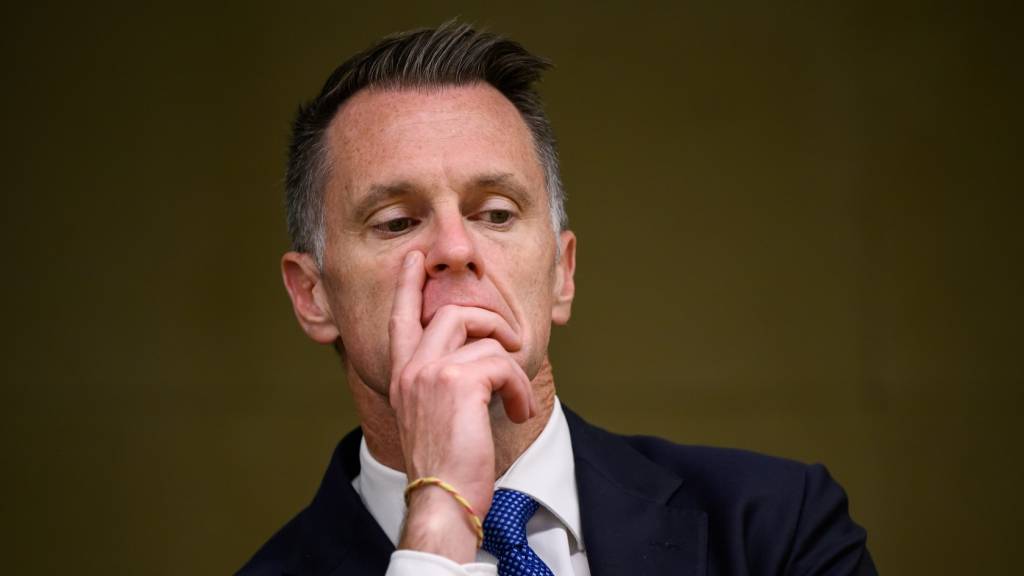
The general feeling is one of outrage and distrust toward law enforcement, with readers condemning the police for using excessive force against protesters and questioning their loyalty to the public. Many view the actions as a betrayal of social cohesion, highlighting the hypocrisy of authorities who claim to protect citizens while violently suppressing dissent. The use of force is seen as a tool to control protests, not a justified response, and the term "social cohesion" is dismissed as a misleading narrative. There is also strong criticism of the protest's context, with some accusing the organizers of hypocrisy for linking anti-Semitism with support for Herzog, whom they label a war criminal. Readers express frustration over the suppression of protest and the labeling of participants as "unaustralian," emphasizing the need to separate political issues from cultural or religious matters. The overall sentiment underscores a deepening disillusionment with power structures and a demand for accountability.

r/news
Public Sentiment
The general feeling revolves around confusion and debate over the legal jurisdiction and implications of the dismissed lawsuits. Many are puzzled about why the case was filed in the U.S. instead of New Zealand, where the alleged incident occurred, and question the validity of pursuing legal action abroad. Discussions focus on jurisdictional hurdles, such as serving a defendant in another country and the differences in legal systems between the U.S. and New Zealand, with some suggesting the U.S. offers higher potential damages. Others emphasize that dismissal doesn’t equate to innocence, highlighting the importance of legal process over public opinion. A significant portion of the conversation centers on the presumption of innocence versus public judgment, with some defending the legal principle while others argue that public discourse shouldn’t be constrained by it. There’s frustration with the article’s title for omitting key details about the dismissal reason, leading to speculation about the cases’ merit. Overall, the tone blends skepticism about the lawsuits’ validity, legal curiosity, and polarized views on how to interpret the dismissals in relation to Neil Gaiman’s alleged actions.

r/news
Public Sentiment
The comments reflect a cynical and dismissive attitude toward the military strike, with readers framing it as a distraction from more pressing issues like the Epstein files. Many view the incident as part of a broader pattern of war crimes or political maneuvering, particularly linking it to Pete Hegseth’s alleged attempts to bolster his resume. The tone is sarcastic and skeptical, with some mocking the media’s focus on the strike rather than more scandalous topics. A recurring theme is frustration with the coverage, as readers prioritize the Epstein files over the current news. The mention of typos and sarcastic remarks about Don Jr. underscores a sense of mockery toward both the story and the media’s handling of it. Overall, the sentiment leans toward distrust of official narratives and a preference for more sensational or politically charged stories.
r/news
Public Sentiment
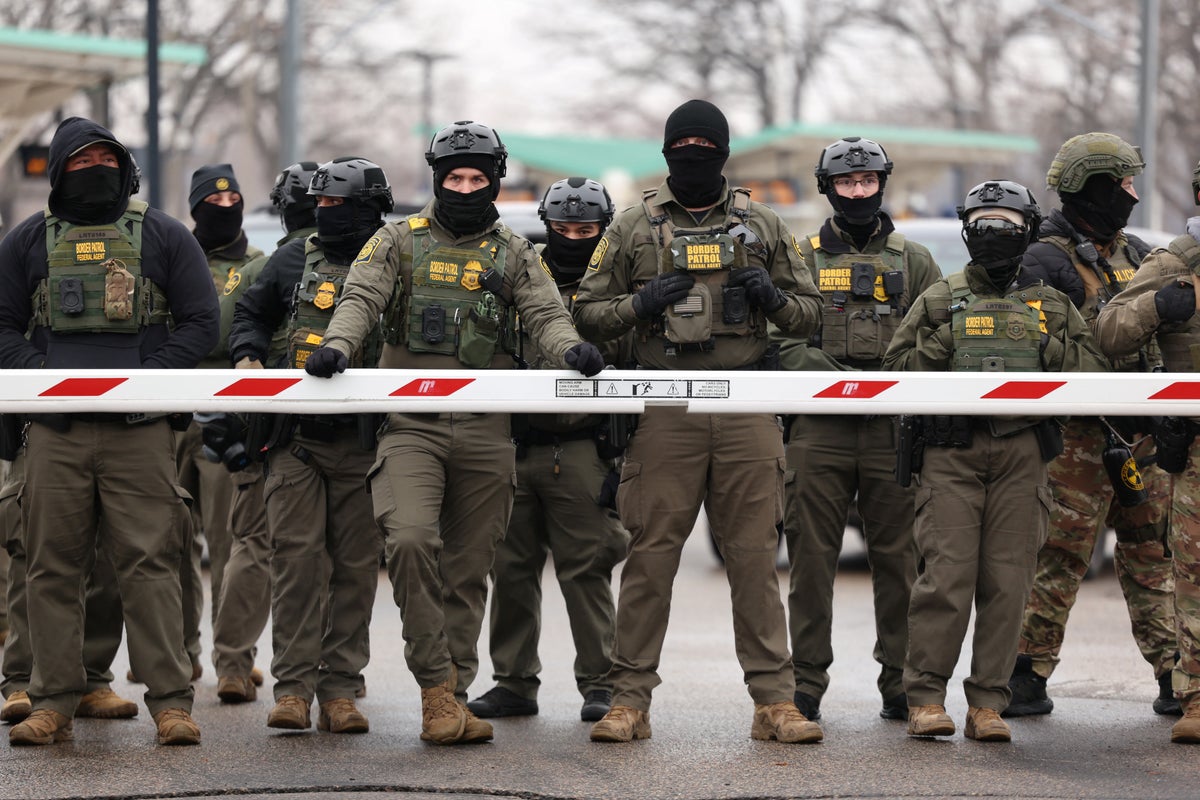
The general feeling is a mix of legal debate and political polarization, with many arguing the law’s constitutionality hinges on federal vs. state authority. Some view the ruling as a necessary check against state overreach, citing the Supremacy Clause and intergovernmental immunity, while others accuse the judge of enabling political agendas or bending legal rules. Frustration lingers over the law’s intent—whether it was a legitimate attempt to regulate federal agents or a power grab—and skepticism about the judiciary’s impartiality. A second wave of reactions focuses on the broader implications, with some criticizing the law as performative or hypocritical, while others support the judge’s guidance for fixing it. The discussion often veers into accusations of partisan bias, with calls to question judges’ motives or celebrate their clarity. Underlying tensions include distrust of state control over federal law enforcement and debates over whether masks or anonymity are justified, reflecting deeper divides on accountability, transparency, and the balance of power between state and federal authorities.

r/news
Public Sentiment
The general feeling is one of deep skepticism and frustration toward the FBI’s competence and transparency, with many readers linking the agency’s inaction to broader political and systemic failures. Comments frequently reference the FBI’s alleged ties to the Epstein scandal, suggesting it’s either complicit in covering up pedophilia networks or too preoccupied with redacting files to address real crimes. Distrust in the agency’s current leadership, particularly under the current administration, is rampant, with critics accusing it of being a “clusterfuck” of political hacks and incompetence. The kidnapping case is seen as a symptom of a larger rot in law enforcement, with some even speculating it’s a false flag or a distraction from deeper conspiracies involving elites and private contractors. Amid this distrust, there’s also a mix of cynicism and hope about the case itself. Many believe the mother is likely dead, citing the lack of progress and the suspicious nature of the ransom demands, while others speculate it’s a ransom situation gone wrong or a crime of opportunity. The public’s frustration extends beyond the case, with critics highlighting the FBI’s historical failures and its current inability to act decisively, even as they question the media’s focus and the lack of accountability for powerful figures. The tone is one of resignation, with many feeling the system is broken and that justice is unlikely to prevail.
r/news
Public Sentiment
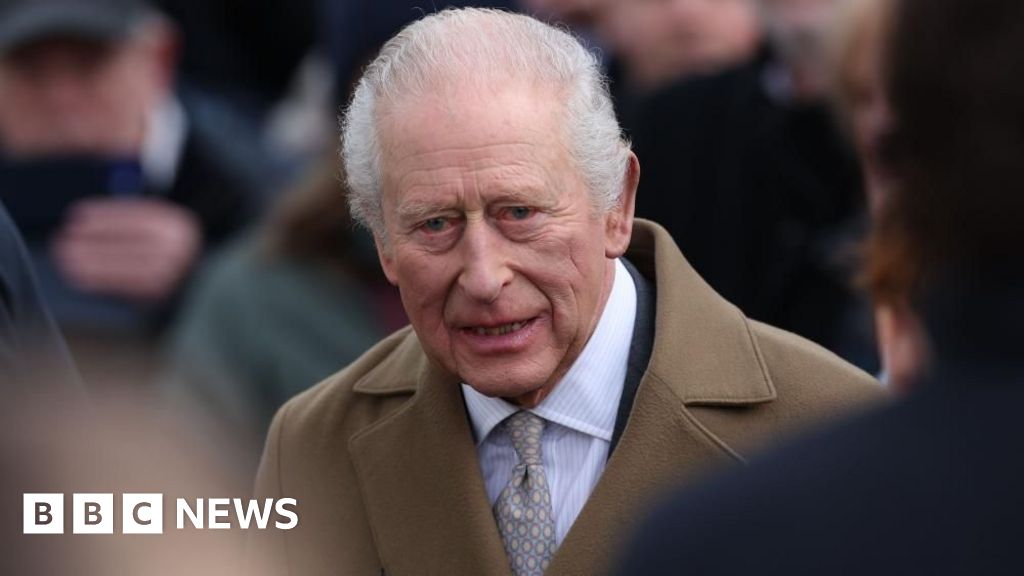
The general feeling is a mix of frustration and skepticism toward the monarchy’s accountability, with many criticizing the public’s defense of the royal family despite scandals. Comments highlight the perceived lack of legal action against figures like Andrew, questioning whether evidence exists to justify prosecution, while others mock the monarchy’s symbolic role versus its real power. There’s also anger at the public’s complicity in shielding the royal family, with some arguing that the system enables pedophilia and corruption through cultural and institutional inertia. The second paragraph reflects a broader disillusionment with societal norms and media complicity, noting how elites often protect their own despite wrongdoing. Many dismiss the monarchy’s economic benefits as justification for its continued existence, while others argue that the system’s flaws—like unchecked power and historical impunity—make it inherently problematic. Humor and sarcasm frequently undercut serious critiques, revealing a blend of cynicism and resignation toward the institution’s legacy.

r/news
Public Sentiment
The general feeling is one of intense anger and frustration, with readers expressing outrage over the judge’s corruption and the lack of justice. Many condemn the system’s failure to hold her accountable, criticizing the legal and political structures for allowing such misconduct while others, like ICE, target lower-level individuals. The tone is deeply cynical, with comments like “this country is just all kinds of fucked up” and “greed is the root of all evil” reflecting widespread disillusionment. There’s a strong call for accountability and transparency, with some urging investigations into her past cases and others demanding public exposure of the criminal. The absence of a “happy ending” fuels further disappointment, as people hope for restitution for the victim despite the judge’s loss of legal privileges. The sentiment underscores a belief that systemic corruption and unchecked power have left justice compromised.
r/news
Public Sentiment
The general feeling revolves around confusion and debate over Bitcoin’s traceability and the ransom demand’s legitimacy. Many argue that Bitcoin’s public ledger makes it trackable, despite claims of anonymity, while others suggest criminals use tumblers or washing machines to obscure trails. There’s skepticism about the ransom’s authenticity, with some believing it’s a distraction from deeper issues, like government involvement or a staged event. Emotional frustration emerges as people question why the case lacks progress, despite its high-profile nature and available surveillance resources. A mix of hope and despair persists, with some clinging to the possibility of the mother’s survival and others doubting it. Speculation about the FBI’s role, potential cover-ups, or the case being a political message adds to the tension. The public’s frustration is palpable, as they demand transparency and action, while acknowledging the complexity of the investigation. Overall, the sentiment blends anxiety over the missing person’s fate with skepticism about the authorities’ handling of the case.
Public Sentiment
The comments reflect widespread confusion and frustration over the specific Springfield mentioned in the article, with readers debating which of the 92 cities with that name was targeted. Many express anger at the political rhetoric surrounding the incident, linking it to figures like JD Vance and Trump for amplifying racist lies about Haitian immigrants, which they argue fueled the threats and public fear. A strong undercurrent of distrust in political and media narratives dominates, with critics condemning the spread of misinformation and its real-world consequences, such as school closures and community trauma. The discussion highlights a deepening sense of disillusionment with leaders who prioritize sensationalism over accountability, framing the incident as a symptom of broader societal division and xenophobia.
