Real-Time News Sentiment
Analysis of trending Reddit news — tracking public mood,
controversy, and key topics
1358 Stories Analyzed
80 Positive Sentiment
1167 Negative Sentiment
Public Sentiment
Relief that no fatalities occurred and hope for the injured student’s recovery dominate the tone, with some expressing frustration over the school environment and a sense of failure in protecting children. A mix of admiration for police actions and lingering unease about the incident’s impact on the community underscores the sentiment, with cryptic remarks hinting at deeper frustrations or unresolved tensions.
r/news
Public Sentiment
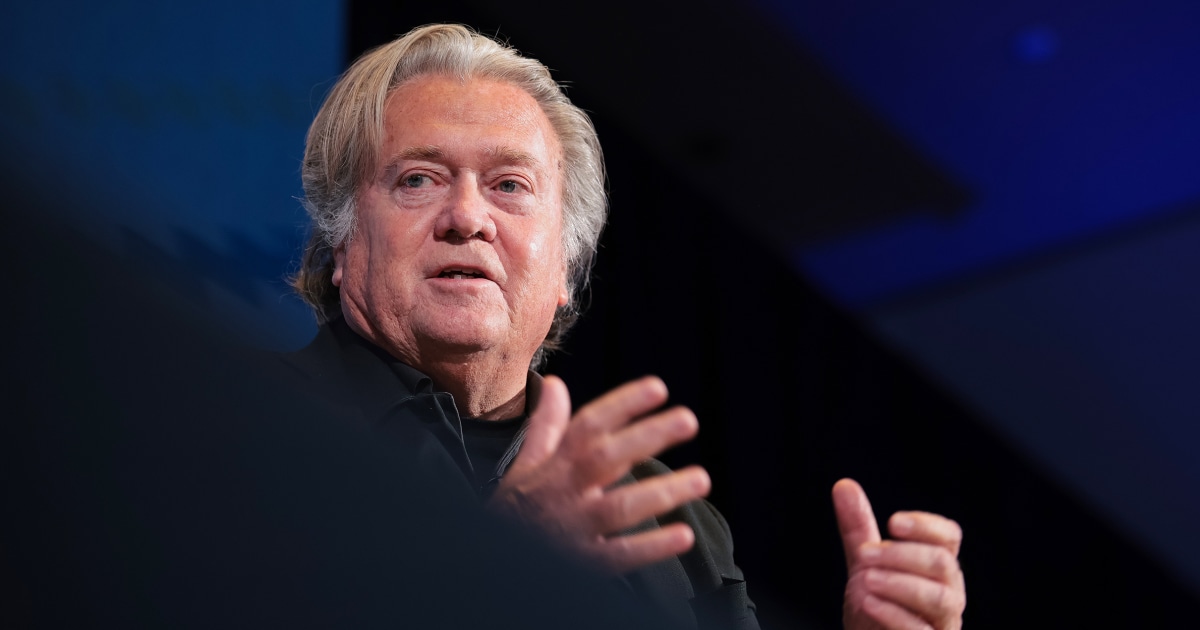
The general feeling is a mix of skepticism and outrage, with many readers accusing the Justice Department of political bias, suggesting it prioritizes Republicans over Democrats. Comments mock the DOJ’s transparency, implying the dismissal is a cover for partisan favoritism, while others reference the GOP’s alleged ties to corruption and extremist views. Some express disbelief at the decision, questioning how a high-profile figure like Bannon could avoid legal consequences. A second wave of sentiment focuses on the broader implications of the dismissal, with critics condemning the DOJ’s perceived subordination to political power and its impact on justice. Others highlight the irony of the case, noting how it reflects systemic inequities, while a few remain indifferent or sarcastic, dismissing the situation as inevitable or absurd. The tone oscillates between anger, confusion, and cynicism, underscoring deepening distrust in institutional integrity.
r/news
Public Sentiment
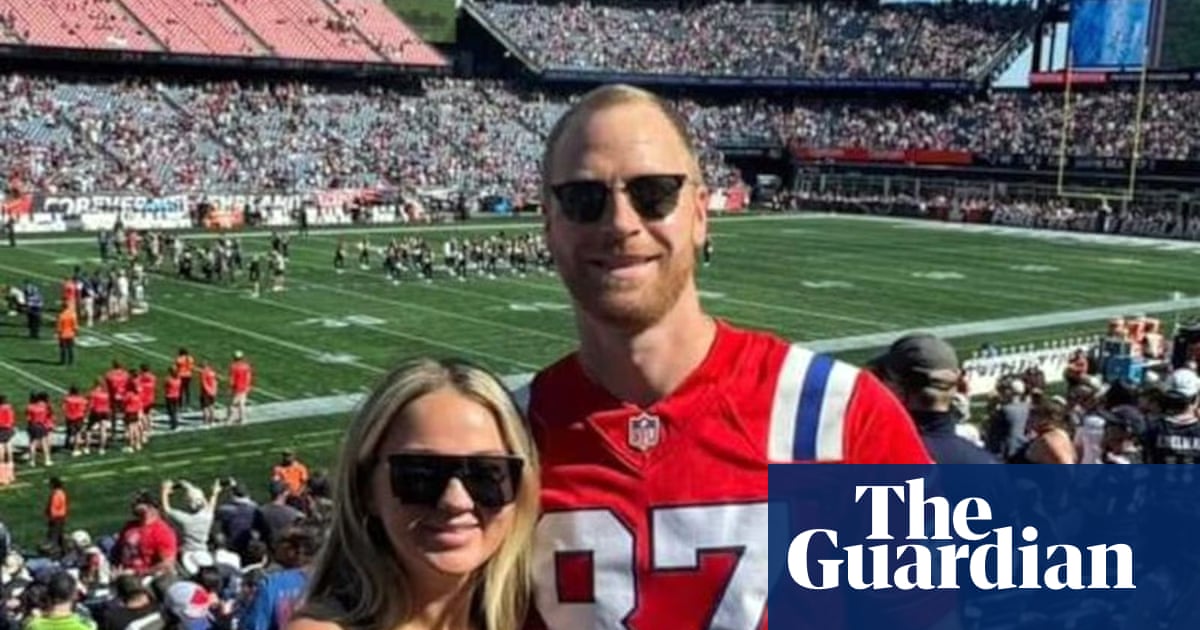
The general feeling is one of outrage and frustration toward ICE’s alleged corruption and systemic failures, with many accusing the agency of forging documents, violating due process, and detaining individuals without justification. Comments highlight the absurdity of the situation—such as the forged signature on a deportation agreement and the judge’s complicity—while condemning the lack of accountability and the trauma inflicted on legal immigrants like Culleton. There’s a strong call for dismantling ICE, with some arguing it’s too rotten to reform and must be replaced entirely, while others express skepticism about political will to act. The sentiment underscores a deep distrust in the immigration system and a demand for justice, framed as a moral and legal crisis. The debate over ICE’s future reflects broader frustration with institutional corruption and political inaction, with some advocating for its abolition and others warning of the risks of symbolic reforms. Many link the case to broader issues of racial and ethnic targeting, with comments suggesting ICE’s actions disproportionately affect certain groups. There’s also a sense of despair about the U.S. legal system’s erosion, as people question how to address systemic abuses without dismantling the entire framework. The discussion blends anger at current policies with a call for radical change, framing ICE’s actions as part of a larger pattern of injustice.

r/news
Public Sentiment
The general feeling is a mix of skepticism and support, with many questioning the feasibility of a 10,000-mile pursuit and criticizing the cost and perceived inefficiency of the operation. Some argue the U.S. military’s approach is outdated, comparing it to Somali pirates’ tactics, while others dismiss the pursuit as exaggerated or confusing, noting the Indian Ocean’s actual size. Concerns about taxpayer spending and the normalization of "piracy" as a tool for geopolitical leverage also surface, with some accusing the U.S. of hypocrisy. Supporters, however, view the seizure as a justified effort to combat shadow fleets linked to Russia and other bad actors, framing it as a necessary step to disrupt illicit trade and protect national interests. Debates over legality and whether the action constitutes piracy or lawful enforcement under international law highlight deeper tensions. While some praise the move as a bold stand against corruption, others express unease about its broader implications for global relations and the erosion of U.S. credibility.

r/news
Public Sentiment
The general feeling is frustration with the U.S. embargo on Cuba, seen as an outdated and harmful policy that stifles economic opportunity and strains diplomatic relations. Many argue the embargo fails to address Cuba’s needs, with critics suggesting opening trade could flood the island with U.S. capitalism and strengthen U.S. influence in the Caribbean. However, concerns about political leverage, particularly the influence of Cuban-American voters in Florida, are highlighted as key reasons the embargo persists, with some linking it to GOP strategies and racial dynamics. There is also widespread criticism of the U.S. government’s inconsistent approach to Cuba, with some comparing its treatment of Cuba to Puerto Rico’s status as a U.S. territory. Opinions reflect deep-seated resentment toward the Cuban government’s policies, especially regarding property rights, and the belief that the embargo perpetuates suffering for ordinary Cubans. Meanwhile, skepticism about the feasibility of economic reform in Cuba and the potential backlash from diaspora communities further complicates calls for normalization.
r/news
Public Sentiment
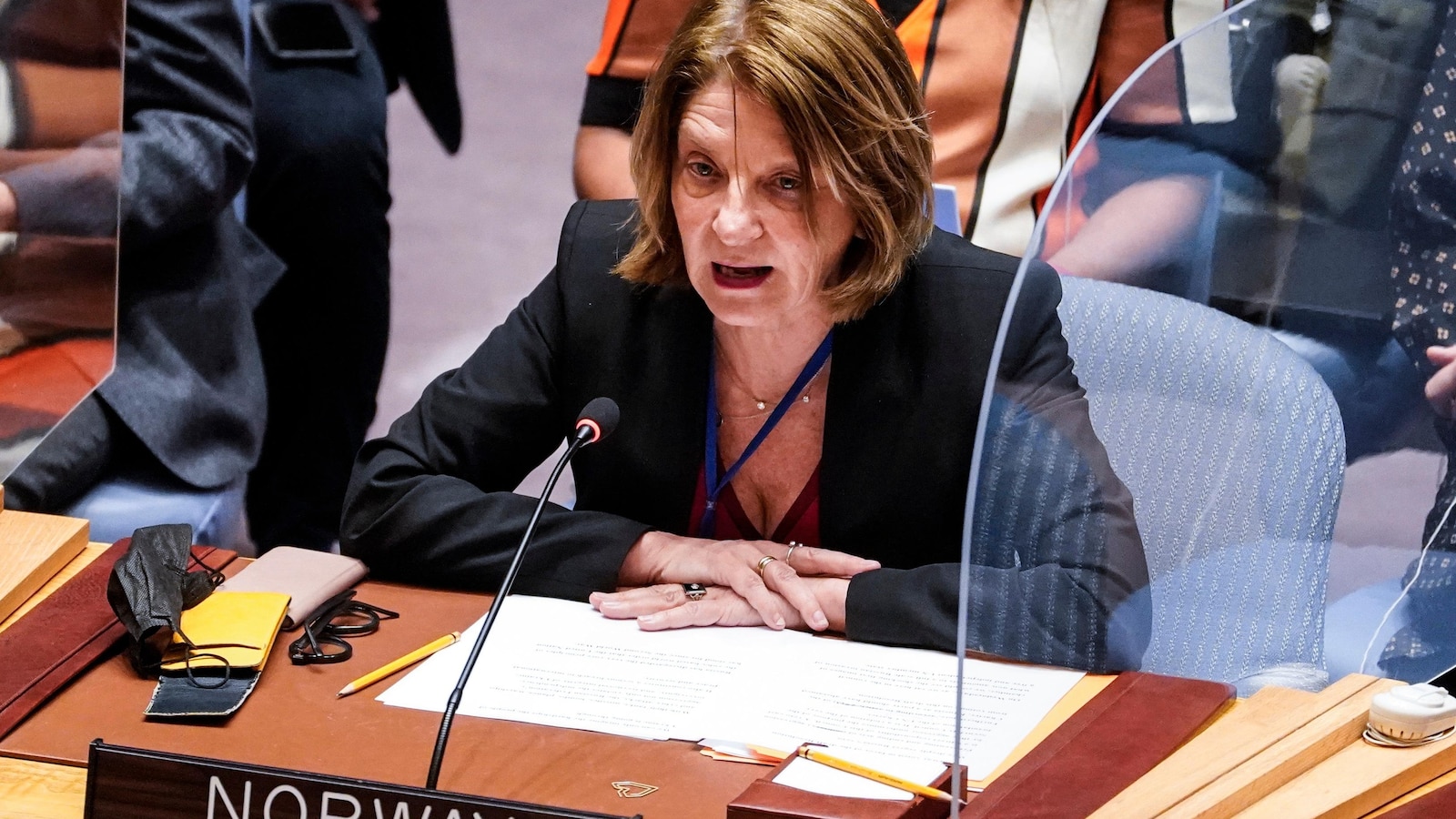
The general feeling is a mix of outrage and disbelief over the Norwegian ambassador’s resignation, fueled by her and her husband’s ties to Epstein and the $10 million left to their children. People criticize the lack of accountability, calling it a "dumpster fire" and questioning how such connections could exist in leadership. There’s frustration that the ambassador resigned but not enough action against others in Norway’s political or royal circles, with some mocking the system’s complicity. The tone shifts to a broader critique of global corruption, contrasting Norway’s limited accountability with the U.S.’s inaction, where figures like Trump remain unscathed despite Epstein ties. Comments highlight hypocrisy, noting how Epstein’s network spans politicians and diplomats, yet justice seems absent. While some express hope for accountability elsewhere, most emphasize the absurdity of the situation, with sarcasm and disbelief underscoring the widespread disgust at systemic failures.
Public Sentiment
The overwhelming sentiment is one of outrage and sorrow over the tragic death, with many criticizing the headline for misleading readers by omitting key details about the husband’s involvement. Comments highlight the media’s role in clickbaiting and the public’s tendency to assume political motives, even as others stress the reality of domestic violence as a pervasive, non-political issue. There’s frustration that the story’s focus on the candidate’s suspension overshadowed the victim’s plight, with some accusing outlets of exploiting tragedy for profit. A strong undercurrent of anger targets political parties, particularly Republicans, for their perceived neglect of domestic violence protections and policies that exacerbate victim vulnerability. While many express empathy for the grieving father regardless of his political affiliation, others condemn the victimization of the family for their political stance, calling out hypocrisy and urging compassion over politicization. The thread underscores a collective grief for the victim and a demand for accountability, both in the justice system and in addressing systemic failures that enable such tragedies.
Public Sentiment
The general feeling is a mix of skepticism, sarcasm, and frustration toward the investment, with many mocking the "America First" rhetoric as hypocritical, given the funds are directed abroad. Critics argue the money should prioritize domestic needs like healthcare and infrastructure, while others question the deal’s sincerity, suggesting it’s a political move or corporate benefit rather than genuine support for Armenia. Amid the criticism, some acknowledge the potential value of the nuclear investment for Armenia’s energy sector, though doubts linger about its long-term impact and whether it’s a genuine partnership or a distraction from domestic issues. The tone often blends cynicism about U.S. foreign policy with a resigned acceptance of the administration’s priorities, highlighting a broader frustration with perceived misallocation of resources.

r/news
Public Sentiment
The general feeling is one of distrust and alarm, with users expressing deep concerns about privacy, data security, and the potential for abuse of facial scans and ID verification. Many fear the policy will lead to a slippery slope of surveillance, government overreach, and corporate exploitation, citing past leaks and the company’s history of mishandling user data. Critics argue it’s a tool for control, enabling censorship, tracking, and the erosion of anonymity, while others question the necessity of such measures for adult content alone. A significant portion of the feedback highlights frustration with Discord’s convenience and the lack of viable alternatives, with users threatening to abandon the platform or switch to less user-friendly options like Teamspeak or Matrix. However, there’s also a sense of resignation and resistance, as some users reject the policy outright, calling it an invasion of privacy and a betrayal of trust, while others warn of broader implications for free speech and digital rights.

r/news
Public Sentiment
The comments overwhelmingly express outrage and condemnation toward the individuals involved in the Melania documentary, framing them as hypocritical, exploitative, and lacking creativity. Many accuse them of stealing music, disregarding copyright, and prioritizing power over respect for artistic ownership, with some linking their actions to broader political movements like MAGA. The tone is dismissive of their "talent" and highlights their reliance on appropriation rather than creation, while also criticizing their lack of accountability and the systemic impunity they enjoy. A secondary thread focuses on the legal and contractual missteps by Universal and the documentary team, with some users debating the nuances of copyright law and the potential consequences of their actions. However, this is overshadowed by a strong undercurrent of frustration with the political and cultural implications, including calls for lawsuits, public shaming, and skepticism about the legitimacy of their influence. The overall sentiment is one of moral judgment, with many viewing the incident as emblematic of a larger pattern of exploitation and resistance to artistic integrity.

r/news
Public Sentiment
Distrust and frustration toward Ontario’s law enforcement and governance systems dominate the sentiment, with many criticizing the lack of oversight, inefficiency, and perceived corruption. People highlight systemic issues like inadequate supervision, poor vetting of officers, and opaque budgeting, exemplified by the Waterloo police board’s controversial 173-million-dollar facility proposal and suspicious voting irregularities. Concerns about accountability are amplified by claims that police forces operate above regional councils, prioritizing self-interest over public trust. A broader skepticism extends to institutional failures, with comparisons to the RCMP’s stricter oversight and calls for external scrutiny, such as the U.S. DOJ, to address corruption. While some express hope for the provincewide inspection, the overall tone underscores a deepening disillusionment with both police and political structures, framing these issues as emblematic of a broken system resistant to reform.

r/news
Public Sentiment
The general feeling is a mix of shock and outrage over the severity of the prison sentence, with many questioning the necessity of 40 years for such crimes. Comments highlight frustration with the U.S. justice system’s tendency to prioritize long sentences over rehabilitation, especially in cases involving private prisons and over-policing of low-income communities. Some also express disbelief at the lack of accountability for similar crimes, like the child rapist receiving a minimal sentence, while others criticize the absurdity of the punishment as a form of systemic overreach. A strong undercurrent of horror and disgust surrounds the crime itself, with many emphasizing the grotesque nature of storing bodies and selling fake ashes. Discussions about the funeral industry’s lax regulation and the couple’s apparent exploitation of legal loopholes reflect distrust in the system. While some acknowledge the man’s possible mental state and manipulation, others condemn the moral and ethical failures of the industry, with a few noting the public’s growing awareness of such scandals through documentaries and media coverage.
