Real-Time News Sentiment
Analysis of trending Reddit news — tracking public mood,
controversy, and key topics
1358 Stories Analyzed
80 Positive Sentiment
1167 Negative Sentiment
r/news
Public Sentiment
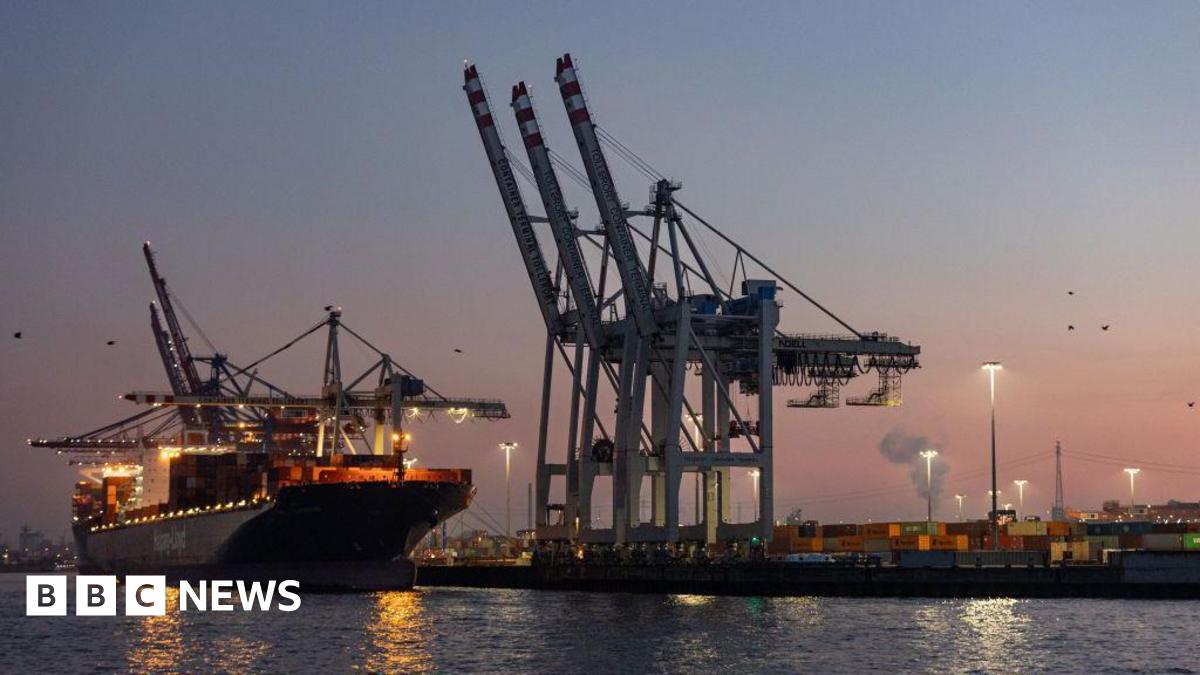
The overwhelming sentiment is one of desperate urgency and existential dread, with readers perceiving the US political system as critically fractured and beyond recovery. They view Trump’s current actions—particularly his potential push to cancel midterms and trigger chaos—as a point of no return where the country is already sliding toward authoritarian collapse, with Europe’s trade deal suspension acting as a symptom of deeper global instability. Many express visceral fear that the system has been eroded beyond repair, leaving ordinary Americans with no viable path to restore order without mass mobilization or catastrophic consequences. This anxiety is compounded by a profound distrust in leadership and institutions, with readers convinced that voting or political processes will not resolve the crisis. They see the coming months as the last window for collective action—organizing, preparing for conflict, or leaving the country—to prevent irreversible systemic collapse, while simultaneously rejecting any hope that the existing system can be salvaged. The dominant feeling is one of shared desperation: the world is on the brink, and the only solution lies in immediate, unified resistance before the damage becomes permanent.

r/news
Public Sentiment
People express deep anxiety about the storm's potential to cause widespread, catastrophic damage across a vast region, emphasizing how even moderate ice or freezing rain can severely disrupt infrastructure and daily life. They highlight specific risks like power outages lasting months, fallen trees damaging homes, and the vulnerability of communities with limited heating resources, referencing past events like the 1998 Canadian ice storm that caused massive destruction. Many share practical preparations and warnings about the dangers of ice accumulation, while also mocking political responses like politicians fleeing to warmer climates. The opinions blend serious concern about infrastructure strain and public safety with dark humor targeting political inaction and misplaced priorities, particularly regarding disaster response. Comments about "MAGA Christians" and politicians like Ted Cruz booking trips to Cancun underscore frustration with inadequate preparedness and the contrast between government promises and real-world impacts, while the extreme cold warnings from Minnesota and Ontario reveal how the situation extends beyond the storm path to affect resilience in other regions. Overall, the sentiment reflects widespread unease about the storm's severity and the challenges of responding effectively.
r/news
Public Sentiment
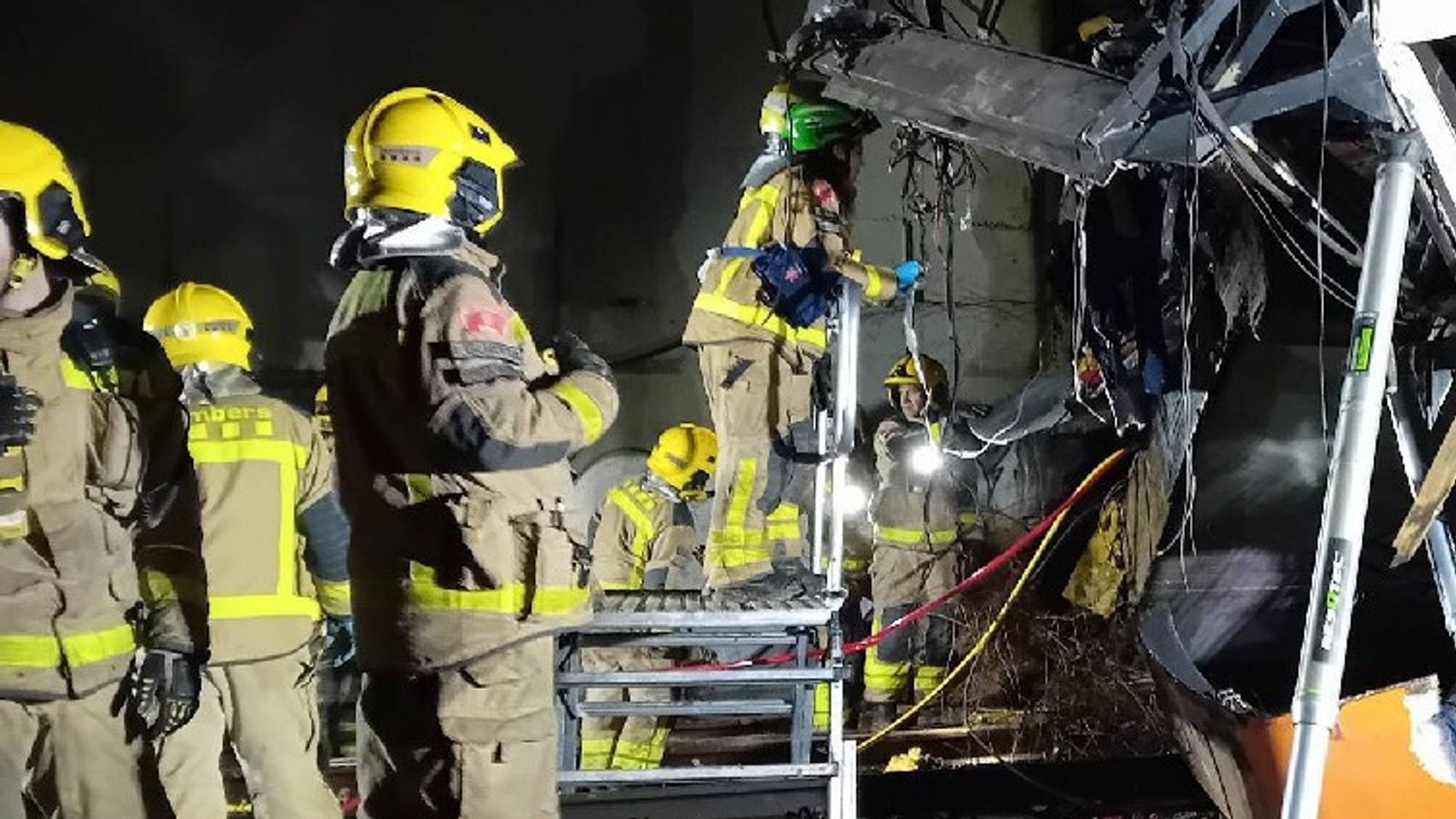
People are deeply alarmed and frustrated by the Barcelona train derailment, expressing shock that a driver died and 20 were injured, with many noting this isn't an isolated incident but part of a concerning pattern of train accidents in Spain occurring in recent days. Comments highlight conflicting theories—extreme weather causing retaining walls to collapse versus poor maintenance or sabotage—but the overwhelming sentiment emphasizes systemic vulnerability, with several stressing that Spain’s massive rail network (the world's largest high-speed system after China) is prone to failures due to underfunding, inadequate infrastructure, and government negligence, especially when compared to other countries. The collective feeling reflects widespread anxiety about Spain’s infrastructure management, with many viewing the recent crashes as preventable failures of planning and maintenance rather than mere "bad luck." There’s strong frustration that the government is downplaying responsibility, and opinions consistently point to a dangerous combination of weather, aging infrastructure, and insufficient oversight as the root causes, while some speculate on international sabotage or systemic underfunding in Europe’s rail networks. The emotional tone is one of distress and disbelief that such incidents are recurring in a country with such extensive rail systems.

r/news
Public Sentiment
People's opinions suggest skepticism that Walz's actions constitute obstruction, framing the DOJ subpoena as politically motivated rather than legitimate. They point to Trump's pardons of figures like Blagojevich and Arpaio to imply consistent Republican tolerance for pardoning lawbreakers, questioning why Walz faces scrutiny while others evade consequences. Many view the investigation as a tactic for partisan leverage or headline generation, with the "states rights" argument being seen as a rhetorical tool Republicans use selectively to justify actions they don't otherwise support. The sentiment emphasizes that Walz's elected role to protect constituents from ICE—not actively obstructing enforcement—differs from true obstruction, like blocking resources. Opinions argue that Republican claims of "states rights" have historically been used to harm others, not genuine policy concerns, and that Walz's stance aligns with red-state politicians resisting federal aid without crossing into illegal acts like stealing supplies. This reflects a broader view that the investigation wastes resources for political gain rather than addressing actual obstruction.
r/news
Public Sentiment
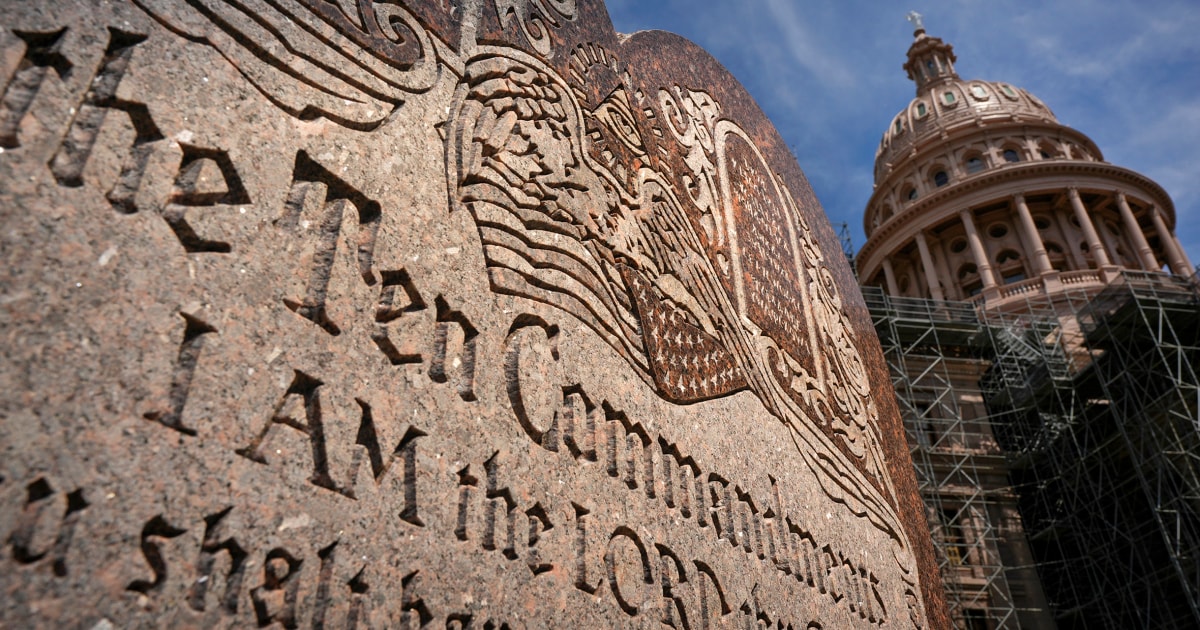
The dominant sentiment reflects deep frustration with the religious right's unconstitutional overreach, particularly the Texas law requiring Ten Commandments displays in schools. Commenters consistently view this as a dangerous violation of the separation of church and state, arguing it weaponizes religious doctrine to advance political agendas rather than educate students. Many criticize the hypocrisy of evangelicals who obsess over the commandments while ignoring their own moral failures, calling it a state-endorsed religion that undermines constitutional principles. This sentiment emphasizes the political motivation behind the law, with widespread belief that it’s a tactic to distract from real educational and social issues by exploiting religious sentiment. People see the displays as a farce, mocking the selective application of religious rules and the religious right’s refusal to address systemic problems like school funding or public health. The overall feeling is one of resignation to a political culture that prioritizes religious symbolism over practical governance and constitutional integrity.
r/news
Public Sentiment
People are overwhelmingly angry and outraged that ICE targeted a US citizen without proper justification, using baseless claims about sex offenders that contradict verified facts. The incident has sparked widespread condemnation of ICE's cruelty and incompetence, with many viewing it as part of a pattern of systemic abuse where authorities disregard constitutional rights and treat citizens as threats. There is deep frustration that media outlets consistently downplay the facts with "allegedly" language, enabling the government to avoid accountability while normalizing the narrative that such actions are acceptable. This approach fuels public distrust in journalism and reinforces the perception that ICE operates with impunity, prioritizing intimidation over due process and risking further erosion of civil liberties for vulnerable citizens.
r/news
Public Sentiment
The overwhelming sentiment is that the US has become dangerously unpredictable and unreliable due to its volatile leadership, with Trump's administration exemplifying chaotic policy shifts, broken treaties, and damaged alliances that erode trust globally. People argue this instability makes the US a worse partner than China, which offers consistent trade, predictable behavior, and no risk of sudden reversal—especially as the world increasingly rejects US volatility in favor of stability. Consequently, there's a strong consensus that Europe should actively pivot away from the US as a strategic partner and seek alternatives like China, viewing this shift not as a temporary wait but a necessary step to avoid long-term economic and geopolitical damage from US unreliability. The focus is on pragmatic stability over the risk of repeating cycles of chaos, with China positioned as the reliable alternative that the US has repeatedly proven it cannot be.

r/news
Public Sentiment
The general feeling among readers is a mix of admiration for Australia's swift, structured response to tragedy after the Sydney attack, contrasting sharply with the US's pattern of rushed, often harmful actions since 9/11. Many praise Australia's political system—high voter turnout and preferential voting—which makes extreme laws harder to pass, while criticizing the US for prioritizing speed over careful debate, leading to erosion of safeguards like the First Amendment under authoritarian tendencies. This contrast fuels frustration about American apathy and media manipulation, especially regarding low literacy rates and distrust of mainstream media. Readers deeply concern the risk of government overreach in Australia's new hate speech laws, fearing they could silence unpopular opinions and resemble the US's dismantling of protections. They emphasize that free speech must remain protected by law, not government decree—highlighting how Australia's current system offers a model for balancing safety and expression, while the US struggles with systemic failures in holding power accountable, making the Australian approach seem both practical and necessary despite potential long-term risks.

r/news
Public Sentiment
People feel the constitution is rapidly becoming irrelevant as bureaucratic maneuvering and procedural technicalities allow government overreach, with many comparing current tactics to historical authoritarianism. They're deeply frustrated that the legal system, meant to protect rights, is being exploited to let policies like limiting congressional ICE access proceed while plaintiffs are forced to refile using "wrong legal vehicles"—a process that feels like the government winning by default through complex rules designed to avoid meaningful accountability. This anxiety is compounded by the belief that without urgent, widespread voter action, democratic institutions will collapse further. Readers see Republican lawmakers as insulated from consequences, their voters indifferent to accountability, while the system's slow response to crises like constitutional erosion leaves citizens feeling powerless—especially as they warn that the only thing preventing authoritarian takeover is the public's willingness to demand change, which currently seems unlikely.
Public Sentiment
The overwhelming sentiment expressed by readers is intense anger and profound disillusionment with U.S. politics and leadership, particularly Republican actions and Trump's administration, framing the Greenland standoff as a symbol of defiance against a corrupt, self-serving U.S. system. Many describe the red caps as a direct rejection of American imperialism and a desperate act of resistance against perceived government betrayal, with visceral frustration at how politicians "fumble their way into positions of power" while ignoring public suffering. This anger is compounded by a deep sense of abandonment, where readers feel the U.S. government has become complicit in global harm while failing to protect its citizens. Readers simultaneously express hope for Greenland’s resilience and solidarity, but this is overshadowed by widespread despair about the U.S. political landscape—described as "corrupt," "cowardly," and "incentivized to break alliances"—with the red caps themselves sparking mixed reactions: some see them as a necessary symbol of defiance, while others worry about misinterpretation as MAGA hats or political confusion. Ultimately, the opinions reflect a fractured national psyche where American identity is split between loyalty to a failing system and a desperate yearning for genuine change, leaving many feeling "lost" and "hopeless" in the face of what they view as deliberate U.S. geopolitical aggression.
Public Sentiment
The comment "No shit. Block TikTok too!" conveys utter dismissal of the EU's actions, implying the move against Huawei and Chinese tech is entirely unsurprising and obvious to the reader. There's a sense of impatience and frustration that the EU hasn't already taken stronger steps against TikTok, which the reader views as equally risky. The sentiment explicitly demands immediate action against TikTok, framing it as the next logical step in the EU's tech crackdown. This reflects a strong, urgent expectation that Chinese-owned platforms like TikTok must be blocked alongside Huawei, showing the reader's belief that the EU's current phase-out is insufficient and overdue.

r/news
Public Sentiment
People's opinions consistently highlight that China's falling birth rates stem not from a lack of desire to have children, but from systemic barriers that make forming relationships and raising families impossible within modern work and economic structures. Schools banning in-school romances, extreme work hours (like 9-9 six days a week), soaring costs of childcare, healthcare, and housing, coupled with the one-child policy's legacy of gender imbalance, create a reality where young people lack the time, social opportunities, and financial stability to build families—despite government pushes for higher birth rates. This issue is portrayed as a global phenomenon, not unique to China, where work culture, economic pressures, and inadequate social support systems prevent people from prioritizing relationships and children. Opinions emphasize that policies promoting economic growth (like work-intensive cultures and AI-driven job shifts) often clash with family needs, while the illusion of "infinite resources" ignores the reality of financial strain and time poverty. Ultimately, people feel the problem lies in how societies structure life—prioritizing productivity over human connection—rather than individual choices or simple policy fixes.
