Real-Time News Sentiment
Analysis of trending Reddit news — tracking public mood,
controversy, and key topics
1358 Stories Analyzed
80 Positive Sentiment
1167 Negative Sentiment
r/news
Public Sentiment
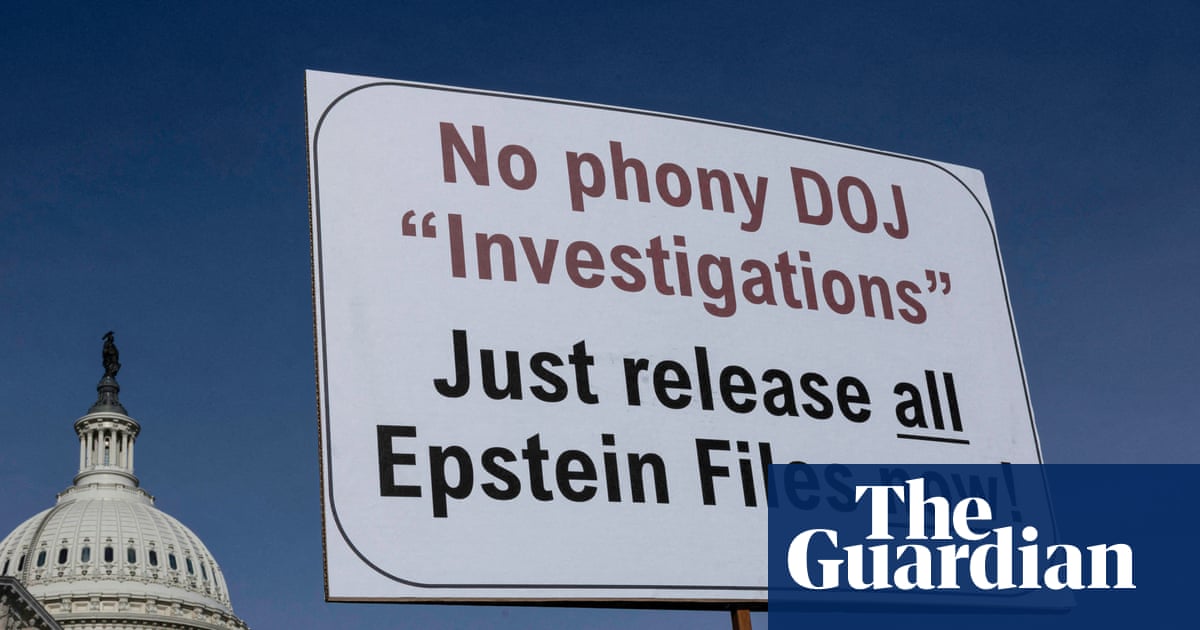
People are expressing deep frustration and anger over the continued withholding of Epstein files, viewing it as a massive government cover-up and a systemic failure of accountability. The opinions consistently highlight how powerful figures—particularly Republicans, the DOJ, and their allies—are obstructing transparency, with many calling it the "biggest cover-up in US history" and demanding consequences for those involved, such as impeaching officials or holding them criminally responsible. There’s a strong sense that the rule of law is being ignored, with critics arguing that the government is prioritizing elite interests over justice and public trust. The sentiment reflects widespread disillusionment with political institutions, especially Congress and the executive branch, which many believe have become complicit in hiding criminal activity. People feel powerless to effect change, with comments like "this is why congress is a clown show" and "we’re cooked" emphasizing hopelessness. The anger is compounded by the belief that the system is rigged, with the wealthy and powerful protecting themselves while ordinary citizens suffer—leading to calls for radical action, mass accountability, and even the idea that the country might face conflict to force transparency.

r/news
Public Sentiment
The general feeling from readers reflects deep concern over UNRWA's precarious existence, driven by severe funding instability and political neglect. Many view UNRWA as a financially unsustainable entity that has long operated on deficit, with critical Western support—especially from the US—dramatically reduced after Israel accused its staff of involvement in the October 7 attacks. This has left the agency vulnerable, with some arguing its days are numbered as UNHCR potentially steps in to cover Palestinian refugees, given historical gaps in the UN's refugee system that exclude groups like Palestinians. Readers also express frustration over the lack of transparency in Israel’s allegations against UNRWA staff, noting the agency investigated itself without providing concrete evidence of wrongdoing, despite Israel’s claims. This opacity, combined with the historical context of UNRWA’s unique role for Palestinians since the UNHCR system’s limitations, fuels perceptions that the crisis is both a symptom of systemic fragility in global humanitarian aid and a reflection of how political conflicts overshadow refugee protection efforts.
r/news
Public Sentiment
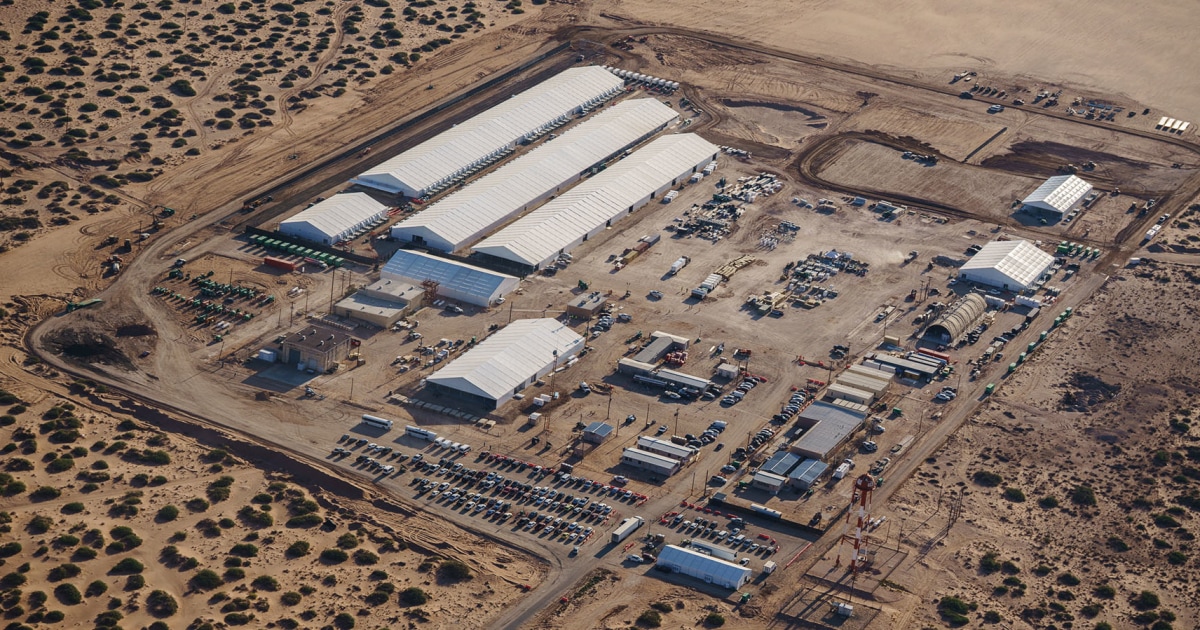
People express profound horror and outrage at the systemic neglect and deliberate cruelty inflicted on detainees, describing conditions that mirror historical atrocities like concentration camps. The chilling realization that medical care has been cut since October and detainees are being killed without accountability evokes visceral fear, with many feeling the United States has become the executioner of its own citizens through these policies. This widespread sentiment is marked by a deep historical dread, where current actions are seen as a direct echo of fascist regimes. The collective trauma stems from the normalization of violence against vulnerable populations and the deliberate abandonment of ethical responsibility, leaving communities feeling hunted, dehumanized, and powerless to stop the deliberate erosion of human rights.

r/news
Public Sentiment
The general feeling is that Israel's action of bulldozing UNRWA headquarters in east Jerusalem is perceived as a necessary security response to credible threats, particularly given UNRWA's reported use of trucks by Hamas on October 7 and artillery positions on its Gaza campuses. This escalates tensions significantly within the fragile ceasefire framework. This move is viewed as part of a broader pattern where Israel consolidates territorial control while the U.S./Trump administration pushes a technocratic governance model, intensifying accusations of settlement expansion and annexation-like policies that undermine the ceasefire's stability and aid operations.
Public Sentiment
The opinions collectively express intense anger and moral condemnation toward the 83-year-old man, emphasizing his poor judgment and the catastrophic consequences of his actions. Readers feel he was dangerously misguided—thinking the Uber driver was a scammer when she was actually the victim of a scam—leading to a murder that ruined his life and reputation. There’s a strong sense of outrage that he got scammed and then committed violence, with many viewing it as a tragic failure of his decision-making. This sentiment is further fueled by frustration over the state bearing the financial and social costs of his actions, as well as a deep sense of injustice that he was punished for a mistake he made while vulnerable. The dominant feeling is one of disgust and condemnation, with readers believing he deserves severe consequences for his violent reaction to a scam he misunderstood.
Public Sentiment
People express deep frustration and anger over the perceived corruption and harmful impact of widespread sports betting, feeling it has severely damaged their connection to sports while being made increasingly accessible and invasive. They describe it as a "cancer" that "kills" interest in sports, "slimy," and part of a larger systemic problem where betting ads and sponsorships constantly remind them of addiction risks, with specific examples like Cleveland fans being directly targeted by betting networks highlighting the offensive nature of this industry. The opinions collectively highlight a strong sense of distrust in current regulatory frameworks and the short-sightedness of sports organizations, comparing betting corruption to political insider trading and demanding urgent, independent oversight to prevent abuse of power. Readers emphasize how the easy accessibility of mobile betting apps and the lack of accountability for rigging—where bookies can't report violations to authorities while companies have internal security—exacerbate the problem, leaving them baffled by the slow investigation of systemic fraud despite the clear evidence of rigging.
Public Sentiment
People's opinions reflect deep-seated frustration and distrust toward GM, characterized by widespread anger over repeated engine failures, deceptive practices, and poor customer support. Readers consistently describe being gaslighted, facing costly repairs out of pocket, and dealing with misleading warranty claims—such as the Volt special coverage disputes—while criticizing GM's prioritization of short-term shareholder profits over vehicle reliability and consumer trust. The phrase "GM gaslighting thousands" and references to "shitty quality" highlight a pattern of systemic issues that have eroded confidence in the brand. This resentment has led to a near-universal resolution: permanent avoidance of GM products. Comments emphasize that GM's failures—ranging from plastic-heavy builds to unreliable systems like start/stop features—have made it the "worst" choice, with many explicitly stating they will never buy GM again after negative experiences, comparing its quality unfavorably to brands like Toyota and noting the company's culture of prioritizing cost-cutting over long-term reliability.
Public Sentiment
The overwhelming sentiment across these opinions is profound nostalgia for Barack Obama's presidency, characterized by a deep yearning for a time of hope, civility, and relative stability. Readers from diverse backgrounds—Americans, Canadians, Australians—unanimously describe 2008–2010 as a period of optimism, unity, and tangible progress, where the world felt safer and more connected. This era is remembered not just for Obama's leadership but as a fleeting moment of collective hope that contrasted sharply with the political chaos and division of the present. This nostalgia is intensely intertwined with a stark contrast to the current administration, with most expressing that Obama’s presidency was the last time the nation felt unified and purposeful before the descent into partisan hostility and authoritarianism. The shared feeling is that returning to this era would mean avoiding the daily trauma of Trump-era policies, restoring civility, and reclaiming a sense of national purpose—described by many as a "singular moment" of hope that has since been irrevocably lost.

r/news
Public Sentiment
The readers express profound sadness and deep respect for Rob Hirst's passing, consistently highlighting his iconic status as a drummer and vital contribution to Midnight Oil. Phrases like "Top man," "Iconic Drummer," "Vale," and "RIP" underscore a shared sense of loss, while the collective tribute emphasizes his enduring impact as a major force in Australian music. His legacy is celebrated through specific musical references—particularly the frenetic energy of tracks like "Best of Both Worlds"—with readers calling his work "power and the passion is gold." The comments reflect a powerful nostalgia and admiration for his artistry, framing his death as a significant moment that warrants tribute through the band's influential songs and the enduring spirit of their music.

r/news
Public Sentiment
People's opinions reveal a sense of resignation and deep frustration, where the Epstein connection is seen as unsurprising yet deeply disturbing within Florida's political elite. Many feel the situation is normalized—describing the UF presidential search committee member as "used to it" due to ties to figures like Trump and Desantis, while others point to the obvious Clinton link and the "ring" of powerful individuals involved. This fuels a tone of weary cynicism, with readers dismissing the news as expected rather than shocking, and humorously framing the coverage as part of a "public paranoia" cycle where unsealed documents become the next big scandal. The dominant feeling is intense fear and alarm about the erosion of democracy, with readers comparing the situation to authoritarian threats. Phrases like "This is about being a Nazi or not" highlight a widespread anxiety that powerful figures—especially those linked to Epstein—are enabling chaos, ignoring Congress, and normalizing dangerous behavior. This sense of impending collapse, where democratic institutions are being undermined by "cronies" and "failed states," underscores a collective dread that the U.S. is becoming too passive to resist authoritarianism, with many feeling the crisis is already here rather than future.
r/news
Public Sentiment
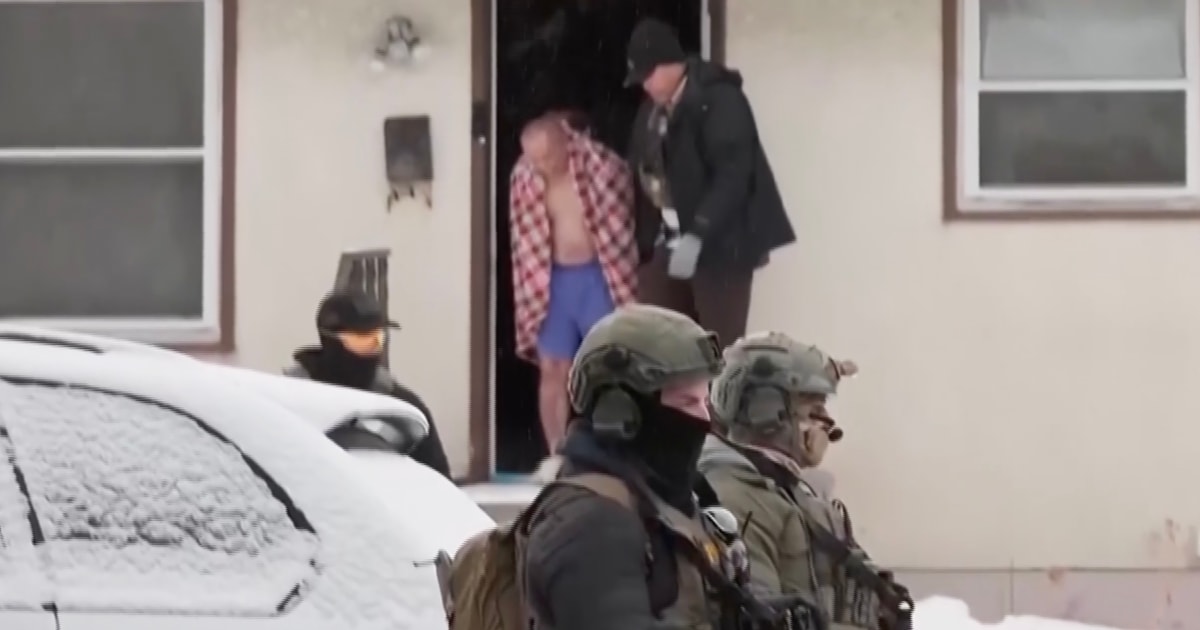
The overwhelming sentiment across these opinions is deepening frustration and alarm over the erosion of basic rights and dignity for citizens, particularly in the context of aggressive immigration enforcement tactics that prioritize fear and control over due process. People feel a profound betrayal by the system, with repeated emphasis on how such actions—like door-to-door raids without warrants targeting non-threatening individuals—normalizes state violence and dehumanizes vulnerable populations, undermining the promise of safety and citizenship. This incident is viewed not as an isolated error but as evidence of a broader authoritarian shift, where political manipulation and lawlessness are weaponized to erode trust and autonomy. This reaction is accompanied by urgent calls for collective action, though tempered by realism about political challenges. While many express hope that midterms or future elections could restore accountability, the dominant tone is one of heightened vigilance and resolve to resist normalization of oppression—framing the current administration’s actions as both a threat to constitutional values and a test of whether citizens will stand united to reclaim their rights before the situation becomes irreversible. The feeling is one of urgent defiance, where hope exists but is inseparable from immediate, organized resistance.
Public Sentiment
The comments reflect deep frustration with political inaction and a sense of helplessness regarding mass violence, particularly in the United States where gun culture is seen as entrenched and unaddressed by meaningful policy. Many express despair that governments fail to prioritize public safety, turning tragedies into partisan weapons rather than catalysts for real solutions. This sentiment is compounded by a strong belief that systemic issues—like extremist radicalization and immigration policies—remain unexamined while political responses remain superficial or delayed. A recurring theme is the debate over whether gun control addresses the root causes of violence, with some arguing it’s a necessary first step to prevent harm, while others insist it ignores deeper societal fractures. The overwhelming feeling is one of urgent urgency: people crave concrete action to tackle extremism and violence but feel paralyzed by political gridlock, religious polarization, and the perception that solutions are either too complex or too slow to implement.
